If you want a harvest of big, juicy quinces, you can’t skip out on pruning! Quince trees are one of those plants that really thrive—and honestly, require—a regular trim to stay healthy and productive. Here’s the lowdown on how to get it right.
When to Prune and Pro-Tips
Keeping your quince tree tidy isn’t just about looks; it’s about preventing “wild growth” and protecting the tree from Leaf Blight. This disease is a nasty fungal infection that can really do a number on your tree, and once it takes hold, it’s incredibly stubborn to get rid of.
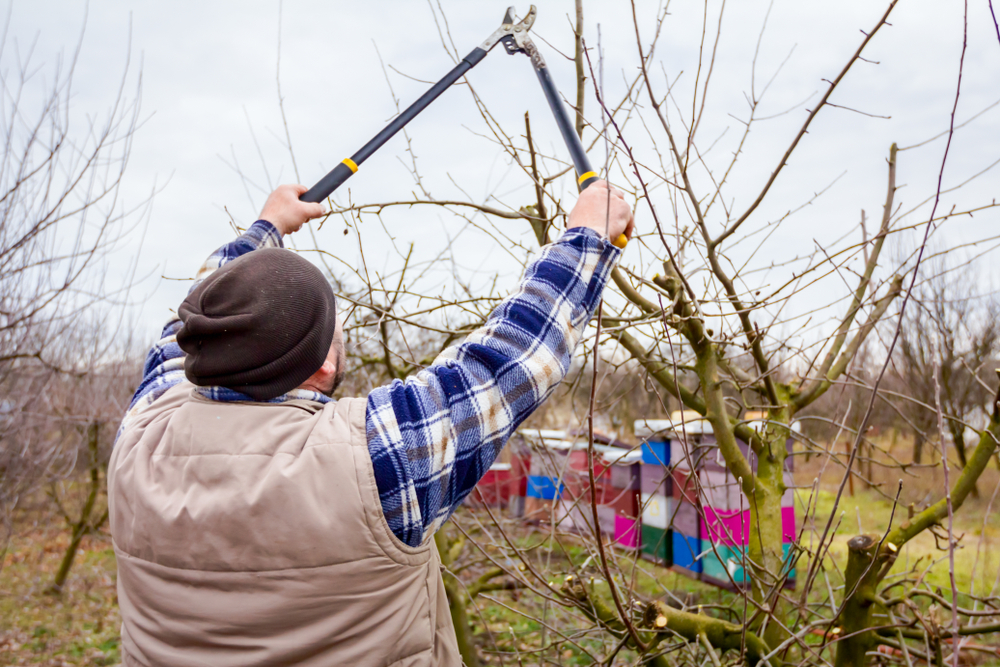
The sweet spot for pruning is in the early spring, right before the blossoms start to pop. Just make sure the threat of a hard frost has passed. If it’s still freezing out, those fresh cuts can suffer from frostbite, and the wood is much more prone to splitting when it’s cold. Of course, there’s one exception: if you spot a disease that requires immediate removal, don’t wait—grab your shears and get to work right away.
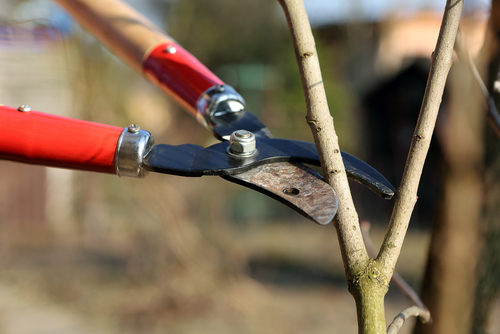
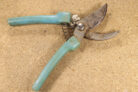
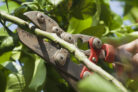
Speaking of shears, always use sharp, clean tools. I recommend disinfecting them before you start. Dull blades crush or tear the branches, creating an open invitation for bacteria and germs. A clean, sharp snip heals much faster and keeps your tree’s immune system strong.
Thinning Out vs. Shaping
Thinning out the canopy is all about letting the light in. Over time, quince leaves can grow so thick that air can’t circulate. When that happens, the leaves stay damp for too long after a rainstorm, which is a recipe for Leaf Blight. A breezy, open canopy stays dry and healthy.
During the first few years of your tree’s life, you’ll want to thin it out regularly so sunlight can reach every nook and cranny. This helps the structure grow strong. Simply remove a few crowded branches from the center. Most growers find that a wider, open crown works best, which you can achieve through “formative pruning.”
For a great shape, aim for about four main “scaffold” branches growing outward. Snip off any stray branches that are growing inward toward the trunk or straight down. Once your quince tree is established and a bit older, you’ll only need to do this shaping every two years or so.
Post-Pruning Aftercare
Once you’re done cutting, it’s a good idea to treat the larger wounds with a pruning sealer or grafting wax. This prevents the exposed wood from drying out or dying back, which can lead to fungal infections. When it comes to fruit trees, an ounce of prevention is worth a pound of cure!
Grab a small brush and apply the sealer to all your cut surfaces. Don’t be afraid to overlap onto the healthy bark a bit to ensure a tight seal. Think of it like a bandage for your tree—it keeps the “wound” protected while it heals.