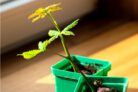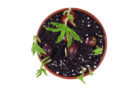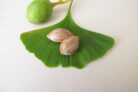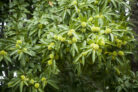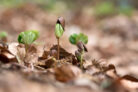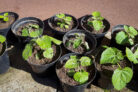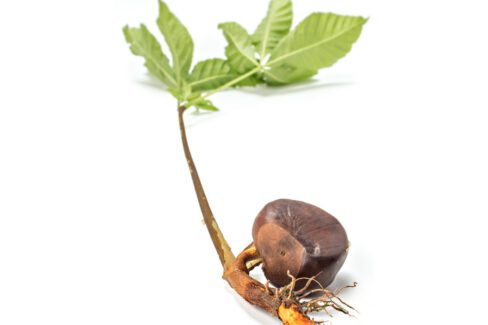
Even the most massive chestnut tree starts its journey as a tiny little seedling. If you’re a gardener who loves watching that magic happen firsthand, you can actually grow your own tree right from a ripe nut. Here’s the lowdown on how to get started.
Getting Your Chestnuts to Sprout
In theory, any chestnut can sprout as long as it’s healthy. Keep an eye out for pests, though—if bugs have gotten to the fruit, it probably won’t have the energy to grow. While propagating from a seedling is usually pretty straightforward, there is one thing to keep in mind: gathering chestnuts with the kids is a blast, but because of cross-pollination, the “offspring” might not look exactly like the parent tree.
Creating the Perfect Conditions
Chestnuts are what we call “cold germinators.” True to the name, these seeds need a period of chilly temperatures to wake up and start growing. You’ll also have much better luck with a fresh, plump chestnut than a shriveled, dry one. If your chestnuts have dried out a bit, give them a good soak in water for a while before you try to plant them.
You could just leave your chestnuts outside and let nature take its course—you’ll likely find a few sprouts eventually. However, while you can plant them directly in the garden, I recommend starting them in a container. This keeps hungry squirrels and other uninvited guests from snacking on your hard work!
The Step-by-Step Process
First things first: do a health check. A simple “float test” works wonders. Drop your chestnuts in a bowl of water—if they float, they’re likely diseased or hollow and won’t grow. If they sink, you’re good to go!
Once you’ve picked your winners, tuck them into some low-nutrient potting soil. You want to keep the soil consistently moist, but be careful not to overwater—nobody likes soggy feet. To trigger germination, you’ll need to mimic winter. Stick your pots in a cold spot for a few days; the fridge or even the freezer works perfectly for this little “cold snap.”
Sprouting Chestnuts: The Quick Version
- Healthy chestnuts usually sprout without much fuss.
- Remember: they need cold temperatures to trigger growth.
- Fresh, moist chestnuts are much more successful than dry ones.
- If they’re dry, give them a soak before planting.
- Keep your soil damp but not soaking wet.
- Store your planting containers in a cold place to get things moving.