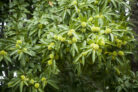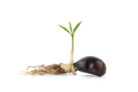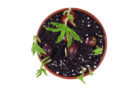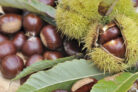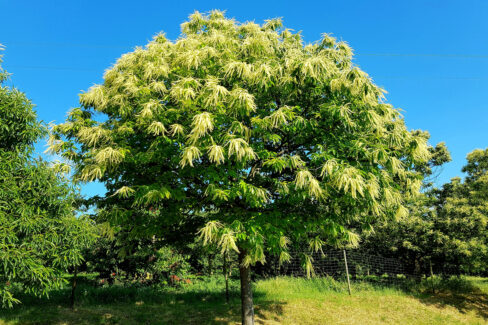
If you’re planning on planting sweet chestnuts, picking the right spot is everything. After all, you aren’t just looking for a healthy tree to shade the yard—you’re probably dreaming of a bumper crop of delicious chestnuts down the road! Here is the lowdown on what these trees need to thrive.
The Perfect Spot for Your Sweet Chestnut
Sweet chestnuts are sun-lovers through and through. Whether you are planting a sapling or growing your own from scratch, you’ll want a location that gets plenty of light. While established trees are actually quite cold-hardy, they really prefer mild, warm weather during the growing season. Keep in mind that young trees can be a bit sensitive to late spring frosts, so try to find a sunny, sheltered spot in your garden that’s protected from harsh winds.
Soil quality is the other big piece of the puzzle. You want a soil that stays moist but drains well—standing water is a big no-no, but you don’t want it bone-dry either. Sweet chestnuts aren’t fans of lime or alkaline soil. Instead, they’re happiest in neutral to slightly acidic soil that’s rich in organic matter.
Prepping the Soil
When it’s time to plant, make sure you dig a hole that gives the young root ball plenty of room. I always recommend loosening the soil at the bottom and sides of the hole; it makes it so much easier for those new roots to stretch out and get established. To give your tree a nutritional head start, mix in some compost or horn meal—it acts as a fantastic slow-release fertilizer.
Here’s what you’ll want to have on hand:
- Horn meal or horn shavings
- Bark mulch
- Compost or humus
I also highly recommend spreading a layer of bark mulch over the root zone after planting. Mulch is like a safety net for your tree—it locks in moisture and nutrients, releasing them slowly over time. It’s one of the easiest ways to keep your chestnut tree consistently well-fed and happy.
Watering and Long-Term Care
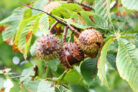
In the beginning, you’ll need to be diligent about watering your new tree to help it settle in. However, once the tree develops a deep, strong root system, it becomes much more self-sufficient. At that point, it’ll pull moisture from deep underground, making it a pretty low-maintenance addition to your landscape. You might spend a little time raking up leaves or those prickly seed husks, but trust me—the harvest is well worth the effort!