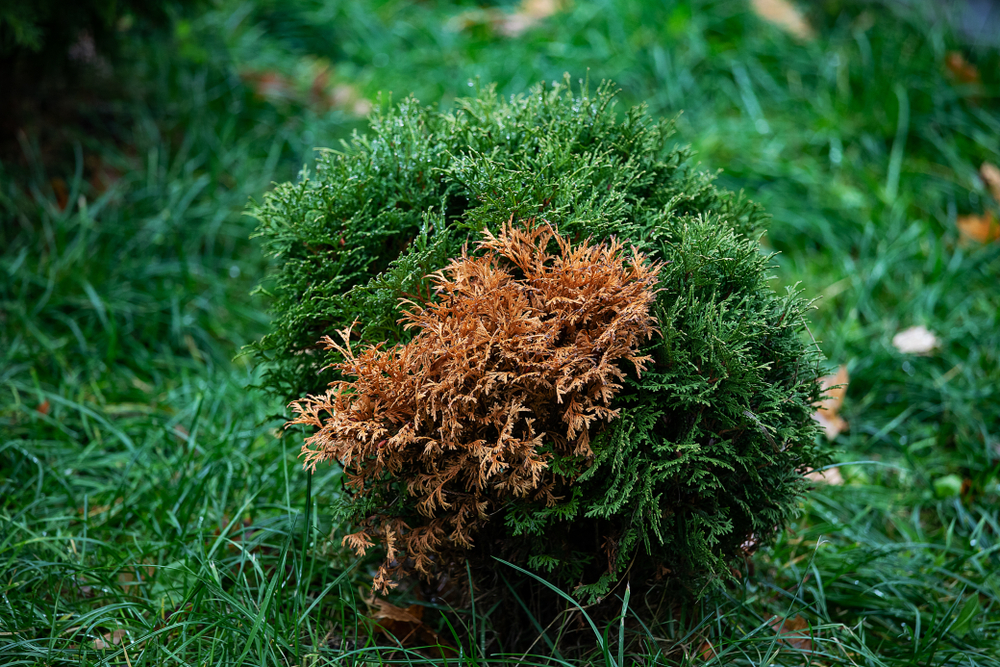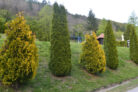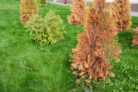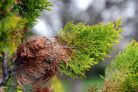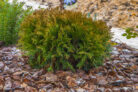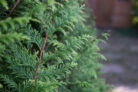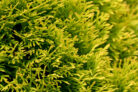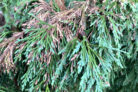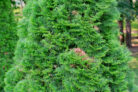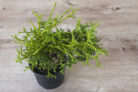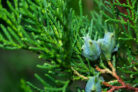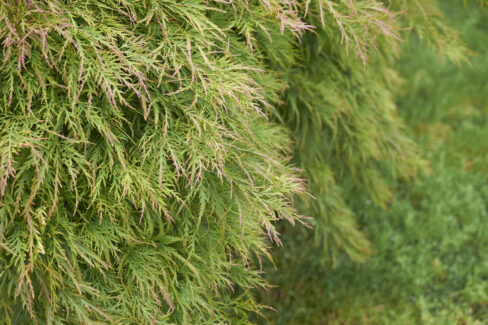
As the temperatures start to drop, you might notice the inner needles of your Arborvitae (Thuja) turning brown. This is super common, especially in privacy hedges. As long as there isn’t a deeper issue at play, there’s really no need to panic!
Why is my Arborvitae browning from the inside out?
It’s very common to see an Arborvitae turn brown on the inside during the fall when the hedge starts getting less sunlight. Usually, the inner needles turn yellow first and then gradually transition to brown. Eventually, those dried-out needles will drop off. This is actually a totally natural shedding process, and you don’t necessarily have to do anything about it.
That said, it’s always a good idea to rule out other potential problems. If you see brown tips or entire branches dying off, that’s usually a red flag that something else is wrong. Keep an eye out for:
- Bone-dry soil
- Overwatering (soggy roots)
- Over-fertilizing
- Sunscald or fertilizer burns
- Fungal diseases
- Pest infestations
Even though Arborvitae are pretty tough plants, they still need a little TLC. To keep yours happy and healthy, try to keep the soil consistently moist, stick to organic fertilizers, avoid overhead watering, and only prune on cloudy days. Following these simple steps will go a long way in keeping your Thuja thriving.
What should I do about the brown needles?
If your hedge is browning on the inside but you’ve ruled out pests, fungus, or care mistakes, you don’t actually have to do anything. If you’re still feeling a bit unsure, you can always snap a photo and ask for advice at your local nursery.
If the brown needles are an eyesore for you, feel free to trim back the affected growth using sharp, clean garden shears. Just a heads-up: never cut back into the “old wood” (the bare, woody parts), because Arborvitae won’t grow back from there. A pro tip? Give the branches a gentle shake while you’re working—most of those dried-out needles will just fall right off on their own!