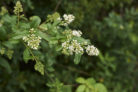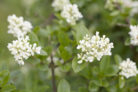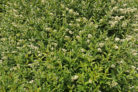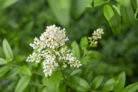
When is the best time to get your privet in the ground? Generally speaking, you can plant or transplant privet just about any time of year. However, there are a few seasons that make the job a whole lot easier for both you and your plants.
You can plant privet year-round
Technically, there isn’t one “perfect” window for planting privet. As long as the ground isn’t frozen solid and the weather is cooperating, you’re good to go. Since privet is famously hardy, it can handle being outdoors through all four seasons without much fuss.
Spring and early fall are the sweet spots
Even though you *can* plant anytime, spring and early fall are definitely the favorite seasons for planting privet. Why? It mostly comes down to moisture. During these times, the soil usually has plenty of natural dampness, which means you won’t have to be out there with the watering can nearly as often while your young plants get established.
If you decide to plant during a drier stretch of the year, you’ll just need to be extra diligent about watering. One pro tip: even in the winter, if the ground isn’t frozen and it’s been a dry spell, give your privet a little drink to keep it happy.
Timing it right when transplanting
If you’re looking at moving your privet to a new spot, the same general rules apply. Spring and early autumn are the most practical choices because the soil moisture helps the roots settle into their new home quickly. I’d definitely recommend avoiding the winter for digging up or removing roots—trying to work with frozen soil is a workout nobody needs!
Also, keep your local feathered friends in mind. Before you start moving things around, check to make sure there aren’t any birds nesting in the branches. It’s always best to wait until they’ve moved on so you don’t disturb their home.
A little extra care for fall and winter planting
If you’re putting young privet in the ground during late fall or winter, they might need a little helping hand. While most varieties are completely winter-hardy once they’re grown, babies don’t have a deep enough root system yet to protect themselves from deep freezes. To help them survive their first winter, tuck them in with some garden fleece or a nice thick layer of mulch.