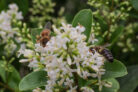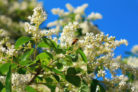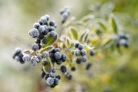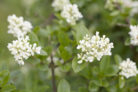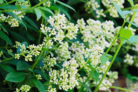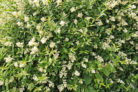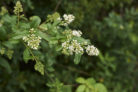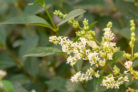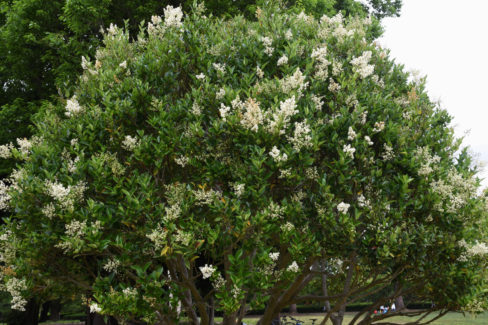
Left to its own devices, a privet hedge can tower up to thirteen feet high! If you’re wondering what makes these shrubs take off like rockets and how you can keep yours looking sharp, you’ve come to the right place.
Privet grows incredibly fast
If there’s one thing to know about privet, it’s that it doesn’t waste any time. These plants are vigorous growers, with shoots often stretching up to 20 inches in a single year. Because they’re so ambitious, a small shrub can turn into a massive hedge before you know it.
Double the growth spurts
What really sets privet apart is that it actually has two major growth spurts every year. You’ll notice a big push of new green growth in the spring, and then another “second wind” around August.
How tall does privet actually get?
In the wild—or if you just let it go in the perfect sunny spot—privet can reach a maximum height of about four meters (roughly 13 feet). Whether you’re growing it as a standalone ornamental shrub or a classic hedge, you’ll definitely want to keep your shears handy to maintain a height that fits your landscape.
Keeping your hedge in check
Most of us want our privet hedges to stay at a manageable height. To keep that crisp, clean look, regular pruning is key. If you’re using privet for low borders or garden dividers, you’ll need to trim even more frequently to ensure the growth stays dense and uniform.
The best times to head out with the trimmers are in early spring and again in the fall. Here’s a pro tip: try pruning your hedge in a slightly conical shape (wider at the bottom than the top). This ensures the lower branches get plenty of sunlight, which prevents the bottom of the hedge from getting “leggy” or bare.
Quick facts at a glance
Here’s the “too long; didn’t read” version of privet growth:
- Max height: Up to 13 feet (4 meters).
- Growth rate: Up to 20 inches (50 cm) per year.
- Growth cycle: Two major growth spurts annually.
A note on pruning and local rules
Before you start hacking away, it’s always a good idea to check your local ordinances regarding hedge trimming. In many areas, heavy pruning is restricted during the spring and summer months (usually April through September) to protect nesting birds and local wildlife. While a light “haircut” or maintenance trim is usually fine year-round, always double-check for active nests before you start. Let’s keep our feathered friends safe while we keep our gardens looking great!