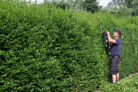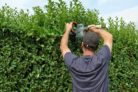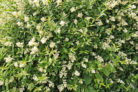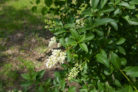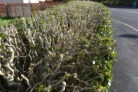
If you want your privet to grow lush, healthy, and super dense, you’ve got to get comfortable with your pruning shears. To get that perfect look, you’ll actually want to trim it a few times a year. That first cut in the spring is the big one—it’s absolutely game-changing, especially for younger plants. Here’s the lowdown on how to get it right.
The Best Times to Prune
Because privet is such a fast grower, it needs regular maintenance. How much you cut back depends on how old the plant is and how much “get up and go” it has, but generally, you’ll want to mark your calendar for these key pruning windows:
- Early spring
- Late August
- And for young plants in their first few years, an extra trim in the fall.
The Spring Pruning Session
Spring is the most important time to head out to the garden with your tools. Whether you’re dealing with a brand-new hedge or an established old-timer, this spring cut sets the stage for thick, private growth all season long.
Going Radical with Young Plants
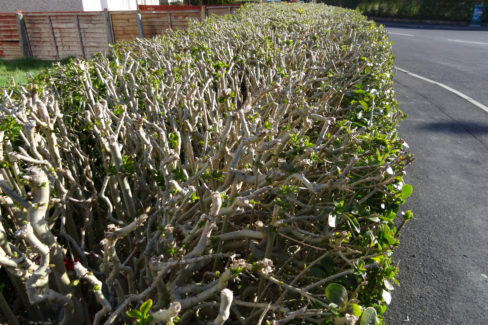
If you just planted your privet, listen close: you need to give it a radical cut right away. I know it feels scary to hack away at a new plant, but don’t be shy! Cut the whole thing back by up to two-thirds. This aggressive first move forces the plant to branch out like crazy from the base. The harder you prune now, the denser and more “peek-proof” your hedge will be in the years to come.
Refreshing Older Shrubs
Got an older privet that’s looking a bit leggy or tired? Spring is also the perfect time for a rejuvenation prune. You can “stool” the plant (cutting it back near the ground) to clear out all that old, woody growth. This hits the reset button, allowing the plant to focus all its energy on fresh, vibrant green shoots. It’s like a spa day that results in a totally revived hedge.
Keep an Eye Out for Wildlife
Before you start clipping this spring, remember to be a good neighbor to your local wildlife. Many birds and beneficial insects use hedges for nesting during the spring and summer. In many areas, there are actually local ordinances protecting nesting birds from March through September, so heavy pruning might be restricted. Always double-check your hedge for active nests before you start—even for a light trim, we want to make sure our feathered friends stay safe and undisturbed!