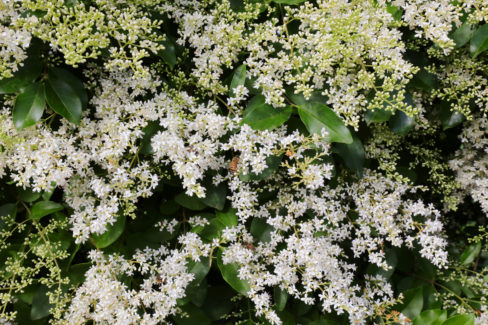
When it comes to picking the perfect spot for your privet, this hardy shrub isn’t too picky. However, there is one “must-have” on its wishlist: plenty of sunshine. If you try to tuck it away in a deep, dark corner of your yard, your privet definitely won’t be a happy camper.
Privet Loves the Spotlight
Privet is a total sun-seeker. To see it really thrive, you’ll want to plant it in the sunniest spot available. While it’s tough enough to survive in the shade without dying off, you’ll likely run into a few frustrating issues if it’s too dark:
- Its growth will slow down significantly.
- It tends to get “leggy” or go bald, usually starting from the bottom and working its way up.
Slow Growth in Shady Spots
If your privet is stuck in a heavy shade zone, don’t expect it to break any speed records. If you’re looking for that signature fast growth and a thick, lush look, you’ve got to give it those rays. Full sun is the secret sauce for a dense hedge.
Dealing with Bare Patches
Privets planted in full shade are notorious for thinning out at the base. Without enough light reaching the leaves, the plant eventually gives up on them, causing them to dry out and drop off. The more sun the plant gets, the fuller and leafier it stays—all the way down to the ground.
The Best Shape for Your Privet
When it’s time for pruning your privet, your technique makes a big difference. To make sure those lower branches get their fair share of Vitamin D, try trimming it into a “tapered” or trapezoid shape (wider at the bottom, narrower at the top). Avoid the classic square box cut; it shades out the bottom of the plant and leads to those bare spots we talked about.
More Sun Means More Privacy
Most privets aren’t strictly evergreen; they typically drop their leaves in the fall or winter. Some varieties, like *Ligustrum atrovirens*, are naturally better at holding onto their foliage well into the cold months. A good rule of thumb: the more sun the plant gets during the year, the longer it hangs onto its leaves. If you’re relying on a privet hedge for privacy, aim for a sunny or partially shaded spot to keep that screen thick for as long as possible.
A Quick Note on Midday Sun
Even though privet loves the heat, keep an eye on younger plants during those scorching midday hours. This is especially important during the winter. Believe it or not, the winter sun can cause the leaves to lose moisture, but if the ground is frozen, the roots can’t drink up more water to compensate. To help them out, give your privet a good soak on frost-free days during the winter months.