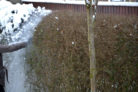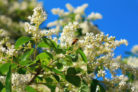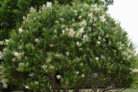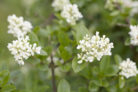
Privet (Ligustrum) is a total champ when it comes to cold weather. It’s incredibly hardy and can stay outdoors all winter long without breaking a sweat. However, there are a few tricks to help your privet get through the frostiest months looking its best.
Privet is Fully Winter-Hardy
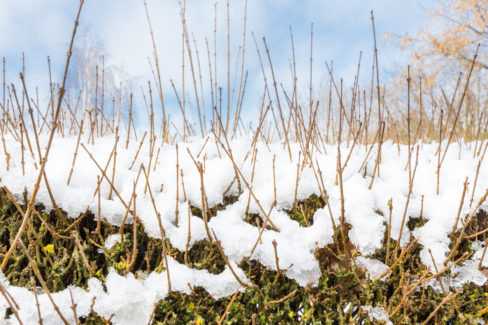
Except for a few exotic varieties, most privet species are completely winter-hardy. This means they can handle freezing temperatures all season long without any major issues. Unlike your more delicate tropical plants, you don’t need to worry about dragging your privet indoors when the first frost hits.
Winter Leaf Drop
Don’t panic if your privet drops its leaves in the winter! This is totally normal behavior for many varieties. It’s just the plant’s way of resting. Once spring rolls around, you’ll see plenty of new growth and fresh green leaves popping up again.
Winter Care Tips
For the most part, privet is pretty low-maintenance during the off-season. The one thing you should keep an eye on is watering. On days when the ground isn’t frozen, give it a little drink. Soil can actually get quite dry in the winter, and if the ground stays parched, your privet might struggle to stay hydrated.
Extra Protection for Specific Plants
While established privet hedges are usually fine on their own, there are two scenarios where you’ll want to provide a little extra TLC:
- Privet grown in pots or containers
- Young, newly planted privet
Potted Privet
If you have privet in containers on your balcony or patio, try to move them to a sheltered spot. Tucking them against a house wall or under a roof overhang works wonders. I also recommend placing the pots on a wooden pallet or a piece of Styrofoam to insulate them from the cold ground. Since pot soil freezes much faster than the earth, wrapping the container in burlap or winter fleece during a deep freeze can save the roots from damage.
Young Privet Plants
Younger plants that haven’t been in the ground long need a bit of a safety net. Their root systems aren’t fully established yet, making them more vulnerable to freezing. To help them out, spread a thick layer of organic mulch—like fallen leaves, compost, or grass clippings—around the base. This acts like a cozy blanket for the roots and provides some extra nutrients as it breaks down.
One last tip: try to shield young privet from intense winter sun. Bright sunlight on frozen leaves can actually cause “sunscald” or dehydrate the plant faster than it can recover.