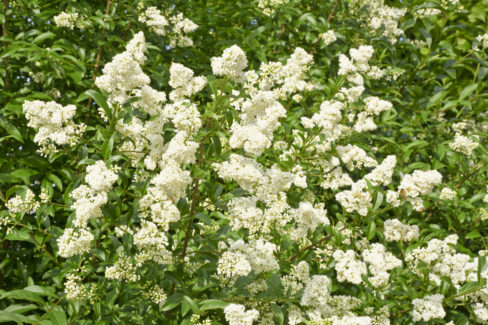
If you’ve decided that your privet needs a change of scenery, you’re probably wondering if it’s possible to move it to a new spot. The short answer is yes! However, before you grab your shovel, you should know that transplanting privet is usually a pretty big workout. Here is the lowdown on how to get it done right.
Can You Actually Transplant Privet?
Technically, you can move a privet at any time, but you really want to think it through first because it’s a labor-intensive project. I usually only recommend moving them if the current location just isn’t working out—maybe the plant is struggling to thrive, or it’s simply in the way of a new patio or garden path.
Understanding the Root System
Privet is what we call a shallow-rooted plant. This means the roots don’t dive deep into the earth, but they do spread out wide and far. Because of this, getting every last root out can be a real chore. Here’s how the age of your plant changes the game:
- Younger plants: These are much easier to handle since their root systems haven’t had years to spread out.
- Older plants: These guys have massive, established root networks that make transplanting a serious undertaking.
It’s also much easier to move a single “specimen” shrub than an entire privet hedge. Honestly, if you’re looking to move a whole hedge, it’s often less of a headache to just pull the old plants and start fresh with new ones—whether you buy them or propagate them yourself.
When is the Best Time to Move It?
Technically, you can move privet whenever the ground isn’t frozen, but timing is everything if you want the plant to survive. Just like when you’re first planting them, the best windows are early spring or early fall. During these times, the soil usually has plenty of moisture, which helps the roots settle into their new home much faster.
Pro Tips for a Successful Move
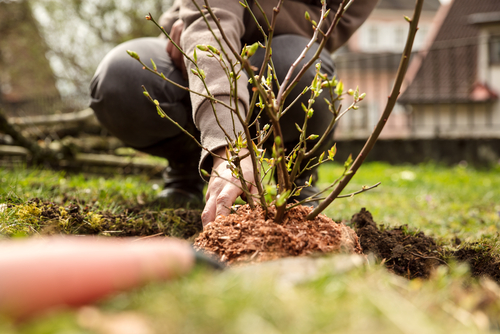
Before you start digging, give the plant a good pruning to make it more manageable. When it’s time to hit the dirt, I recommend using a garden fork instead of a spade; it’s much gentler on the roots. Try your best to get the entire root ball out. If you leave chunks of root behind in the old spot, don’t be surprised if you see little privet sprouts popping up there later—they’re surprisingly resilient!