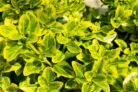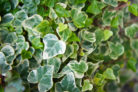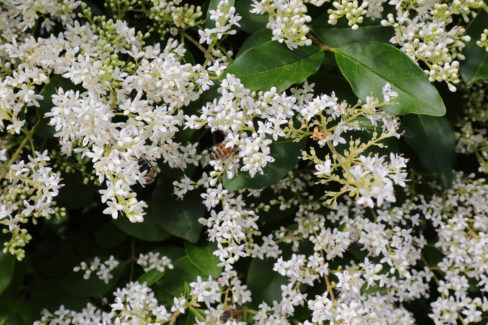
Privet is incredibly tough and resilient, which is why it’s rarely bothered by diseases or pests. However, even the heartiest shrubs can run into trouble once in a while. If your hedge is looking a little under the weather, here’s a breakdown of what might be going on and how you can fix it.
Rare Disease Outbreaks
The great thing about privet is that it’s not just “sturdy”—it’s a survivor. Because it’s so robust, it rarely falls victim to diseases or pests. Even if your hedge does catch something, a healthy, established privet can usually fight it off and bounce back all on its own without much help from you.
Common Privet Problems
If your privet is clearly struggling, it’s usually down to one of three things:
- A fungal infection,
- Root rot, or
- A pest infestation.
The Most Common Symptoms
When a privet is stressed, it’ll usually “talk” to you through its leaves. Keep an eye out for these tell-tale signs:
- Curling leaves,
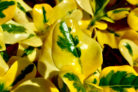
- Yellowing foliage,
- Premature leaf drop, or
- A powdery white coating.
The Danger of “Soggy Feet”
Most fungal diseases and root rot issues stem from standing water (waterlogging). While privet likes to stay slightly moist, it hates having “soggy feet.” If the soil doesn’t drain well, the roots can literally start to rot, which eventually kills the whole plant from the ground up.
Curling Leaves
If you notice the leaves are curling up, you’re likely looking at a privet aphid infestation. Usually, the shrub can handle these little guys on its own, and fresh new leaves will sprout by next summer. You only really need to step in with organic treatments if the infestation looks like it’s taking over the whole hedge.
Yellowing Leaves
When leaves turn yellow, it’s often a sign of leaf spot fungus. This is super common during particularly wet, humid summers. Your best bet is to prune away the affected branches. If it’s a major outbreak, you can rejuvenate the hedge by cutting it back hard or using a biological fungicide.
Drying Leaves
If the leaves are drying out and turning crispy, the plant is usually just thirsty. Make sure you’re watering your privet regularly so the soil stays consistently moist.
In rarer cases, dried-out leaves can be a sign of vine weevil larvae munching on the roots. If you suspect these pests, you can find specific treatments at your local garden center to get them under control.
Losing Leaves
Finding your privet losing its leaves? Don’t panic—it’s usually perfectly normal! Despite what many people think, privet isn’t strictly evergreen; it’s semi-evergreen, meaning it naturally drops its leaves in late fall or winter. However, if it’s dropping a lot of leaves in the spring or summer, it’s likely a cry for more light or more water.
White Coating on Leaves
If you see a white, powdery film on the foliage, your privet probably has powdery mildew. This usually happens in spots that are too dry or have poor air circulation. You can help the plant out by giving it a regular misting with water or ensuring it stays hydrated.