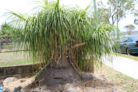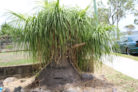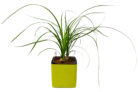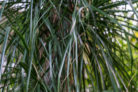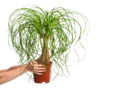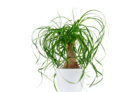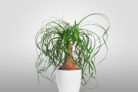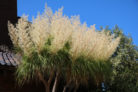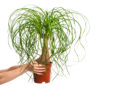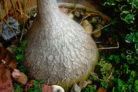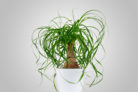
The Ponytail Palm isn’t a fan of the cold, so it definitely needs to spend the winter months indoors. To keep yours happy and healthy, I recommend giving it a little “winter nap” from November through March. This dormant period helps the plant recharge its batteries so it can come back strong for the next growing season.
Is a winter break mandatory?
If your Ponytail Palm (botanically known as *Beaucarnea recurvata*) lives indoors year-round, it can stay in its usual spot as long as the temperature doesn’t dip below 60°F. Anything colder than that, and your plant might start feeling the chill.
However, if your plant spent the summer outside, you should definitely move it to a dedicated winter spot. Of course, your indoor-only plants will also appreciate a cooler winter home if you have the space!
The Perfect Spot
When it comes to wintering your plant, temperature is everything. If it’s too cold, the plant gets damaged; if it’s too warm, it won’t actually go dormant. You’re looking for a “Goldilocks” zone where the temperature stays consistent between:
- 50 and 60 degrees Fahrenheit
- 45 degrees is the absolute limit, but I wouldn’t push it that far if you can help it.
One thing to keep in mind: these guys hate temperature swings. Whether it’s in your living room or a cool basement, keep it away from drafty windows or balcony doors when you’re airing out the house.
Lighting
Even in the winter, your Ponytail Palm is a total sun-worshipper. Keep in mind that what we humans think is “bright” usually feels like “dim” to a desert plant. You want to find the brightest spot in the house.
If you don’t have a spot that gets enough natural light, don’t sweat it—just set up a grow light to give it that extra boost it needs.
Winter Care Tips
No matter where you keep your plant, you’ll want to scale back your routine during the winter:
- Gradually increase the time between waterings (let that soil dry out!).
- Stop fertilizing entirely until spring.
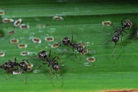
One pro tip: check your plant once a week for pests. Dry indoor heating is like an invitation for spider mites. To keep those pesky critters away, give your plant a light misting with filtered or rainwater every week or two—spider mites hate humidity!