If you’ve ever tasted a sun-warmed raspberry straight from the bush, you know exactly why one plant is never enough. They’re addictive! But before you head to the garden center to drop a bunch of cash on new shrubs, I’ve got a pro tip for you: you can easily propagate them yourself.
The Best Ways to Multiply Your Berry Patch
The great thing about raspberries is that they aren’t picky. Whether you’re growing classic reds, sweet golds, or those moody black raspberries, the methods are pretty much the same. You’ve got three main options:
- Root cuttings
- Layering
- Root suckers (runners)
Technically, you *could* grow them from seed, but honestly? Life is too short for that. It’s a slow, tedious process, and it can take years before you see a single berry. The methods above are way faster, much easier, and will get you a harvest significantly sooner.
Propagating Raspberries via Root Cuttings
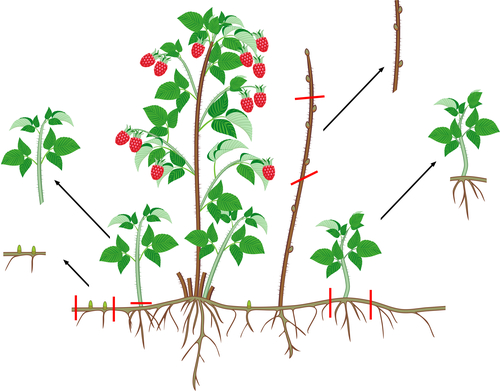
Using root cuttings is a fantastic way to go because it guarantees you’re getting a “true-to-type” plant. That’s just a fancy way of saying your new plant will be an exact genetic clone of the mother plant.
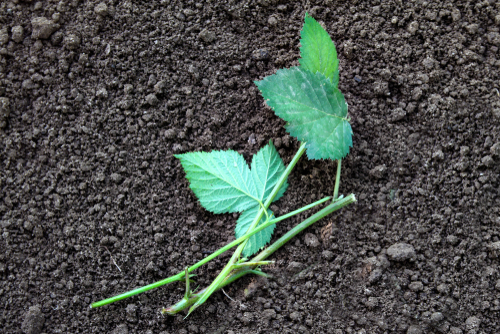
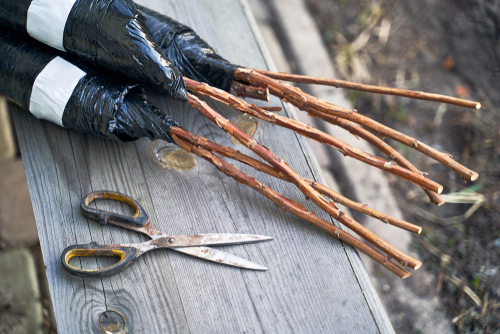
The best time to do this is in the fall. Grab a sharp spade or a clean pair of garden shears and snip off a piece of the root. Just make sure the piece you take has plenty of “eyes” (those little bumps where new growth starts) and some fine, hairy feeder roots.
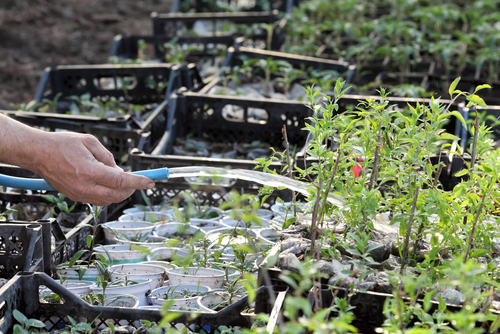
Once you have your root piece, cut it into individual sections about four inches long, ensuring each one has at least five eyes. Pop these into a pot filled with loose, nutrient-rich potting soil. Keep them well-watered and make sure they stay in a warm, bright spot.
To protect them from any surprise frosts, I like to add a little layer of bark mulch on top. After a few weeks, they’ll establish their own root systems and will be ready to move to their permanent home in the spring.
The Layering Method
Layering is a “set it and forget it” technique that works wonders. Here’s the deal: find a few strong, healthy-looking canes and gently bend them down until they touch the ground. Secure them in place with a few stones or a landscape staple and cover that section with soil.
The part of the cane buried underground will start to sprout new roots and, eventually, new leaves. Next spring, you simply snip the cane away from the parent plant and move your new “layer” to its new spot in the garden.
Propagating via Root Suckers
If you’ve grown raspberries before, you know they love to wander. They naturally send out “suckers” or runners all over the place. You can totally use this to your advantage!
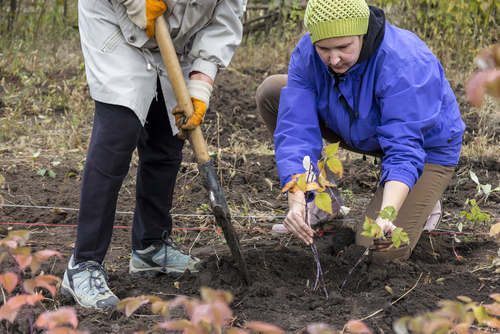
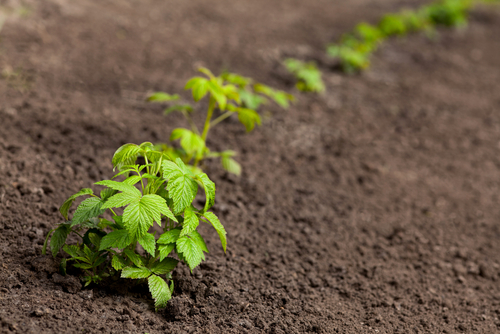
Simply dig up these adventurous little shoots, making sure you get a good chunk of the root system with them. Then, just transplant them into a sunny spot with nice, loose soil.
One quick heads-up: if you have several different varieties growing close together, this can be a bit of a guessing game. Those runners can travel pretty far underground, so you might end up transplanting a yellow raspberry when you thought you were grabbing a red one!