Let’s be real: buying magnolias at the nursery can get pretty pricey, especially if you’re dreaming of planting a whole hedge of them. If you want that stunning floral look without breaking the bank, your best bet is to propagate them yourself. There are a few different ways to get the job done, so let’s break them down.
Propagating from Seeds
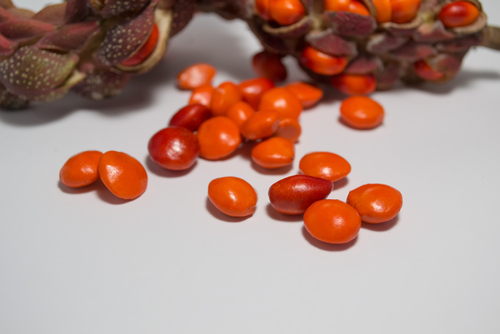
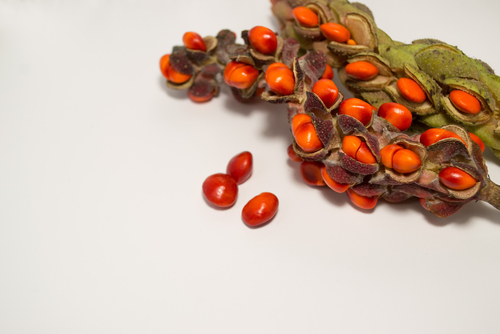
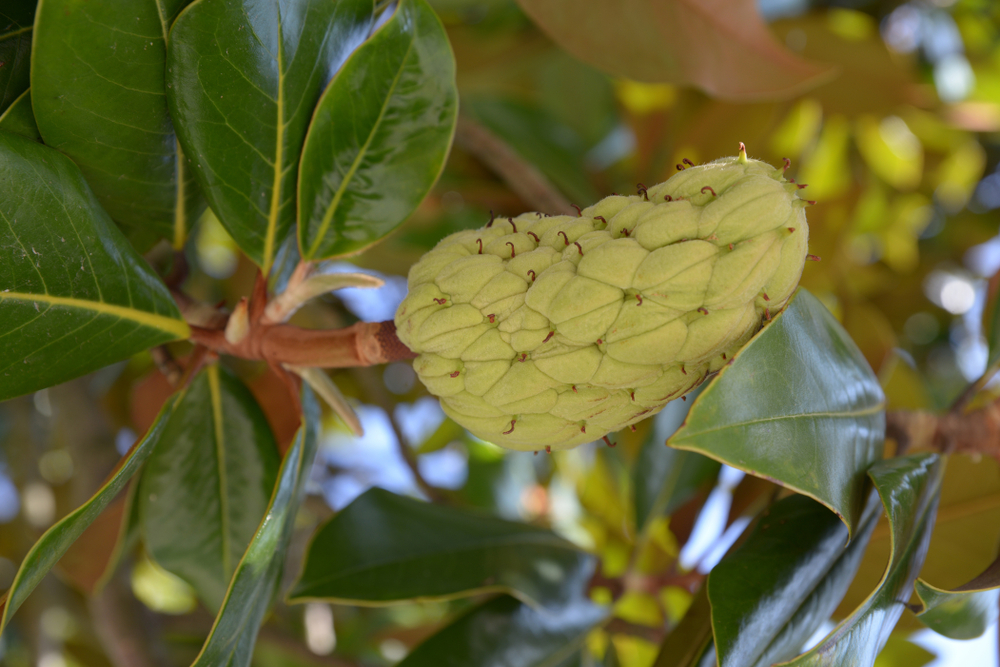
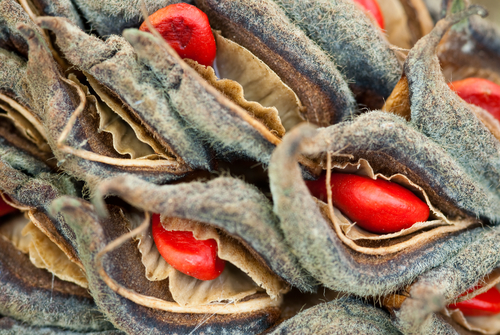
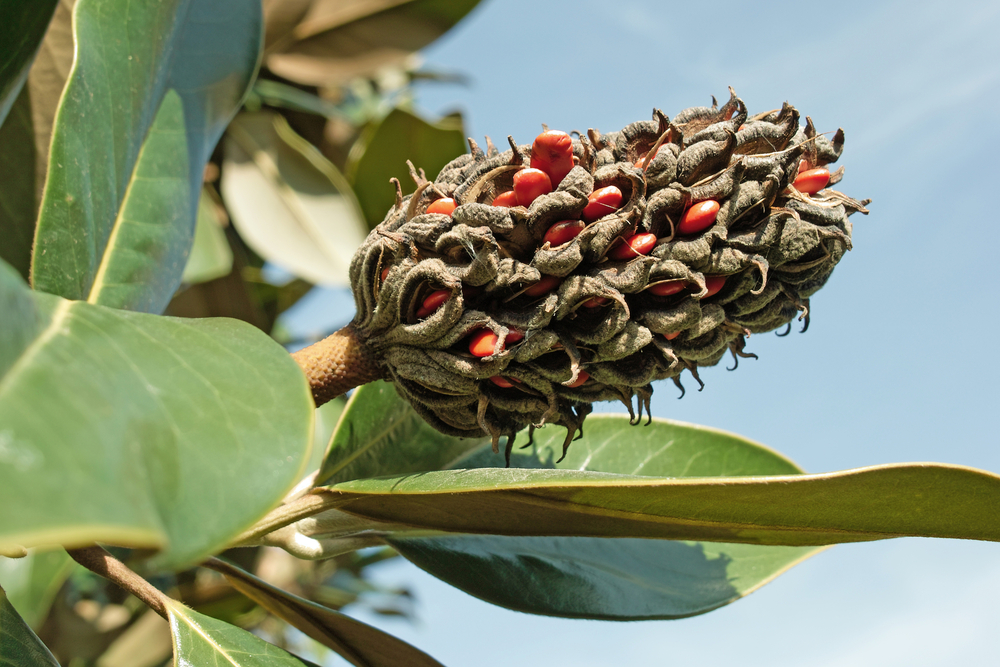
Magnolias are what we call “cold germinators.” This means the seeds actually need a period of cold weather to wake up and start growing. If you don’t want to wait around for a frost, you can “cheat” by popping the seeds in your freezer for three to four months. Once winter is winding down in early spring, you’re ready to get them in the dirt.
Propagating from Cuttings
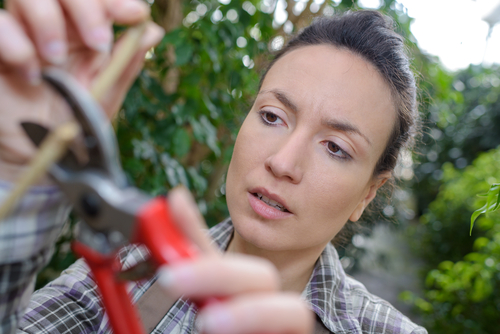
Another popular method is using cuttings. You’ll want to take these in early summer while the shoots are still green, or you can wait until late summer for semi-hardwood cuttings. Look for last year’s growth and snip off a piece about four inches long. Here’s a pro tip: lightly score the bottom end (where the roots will grow) with a cross-shaped cut. Stick the cutting into a pot filled with seed-starting mix and keep it consistently moist. To create a mini-greenhouse, cover the pot with a clear plastic bag—just make sure to poke a few holes in it so the little guy can breathe!
Propagating by Layering
I’ll be honest with you: seeds and cuttings can be a bit finicky with magnolias. If you want a higher success rate, try “layering.” In August, take a long, flexible branch and gently bend it down to the ground. Secure it in place with a landscape staple or hook, then lightly cover that section with garden soil. Now comes the hard part—waiting. It can take until the spring after next for strong roots to develop. Once they do, just snip the new plant away from the mother branch and move it to its permanent spot in the garden.
Propagating by Air Layering
Then there’s air layering, which sounds fancy but is totally doable. Find a branch that’s less than half an inch thick. About 12 to 15 inches from the tip, make a small, upward diagonal cut into the bark. To keep the cut from healing shut, wedge a tiny pebble inside. Wrap the whole area in damp moss and secure it with plastic wrap or a bag tied at both ends. You should see new roots forming in just two or three months. Once they look sturdy, you can cut the branch off and pot it up.
To recap, here are your go-to methods for growing your magnolia collection:
- Seeds
- Cuttings
- Layering
- Air layering