Magnolias aren’t just the crown jewels of the spring garden; they’re also a bit of an investment! Because these beauties are so long-lived, they often come with a higher price tag at the nursery. But here’s a pro tip: you can actually save some serious cash by propagating your own magnolias at home. There are a few different ways to do it, depending on how much of a challenge you’re up for.
Growing from Seed: A Bit of a Gamble
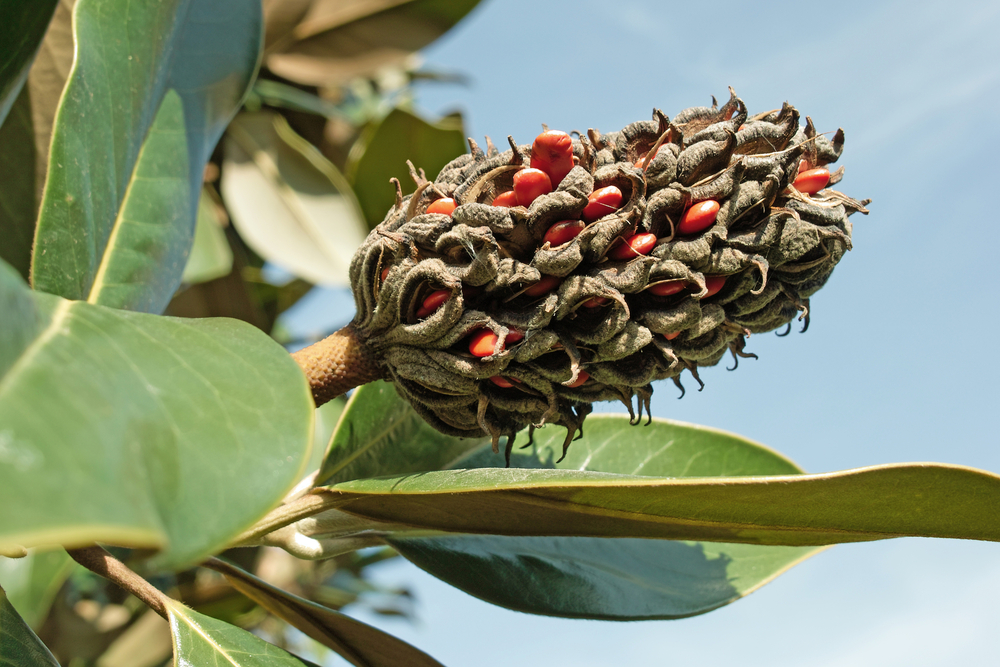
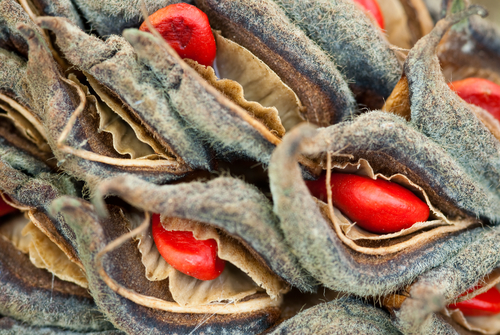
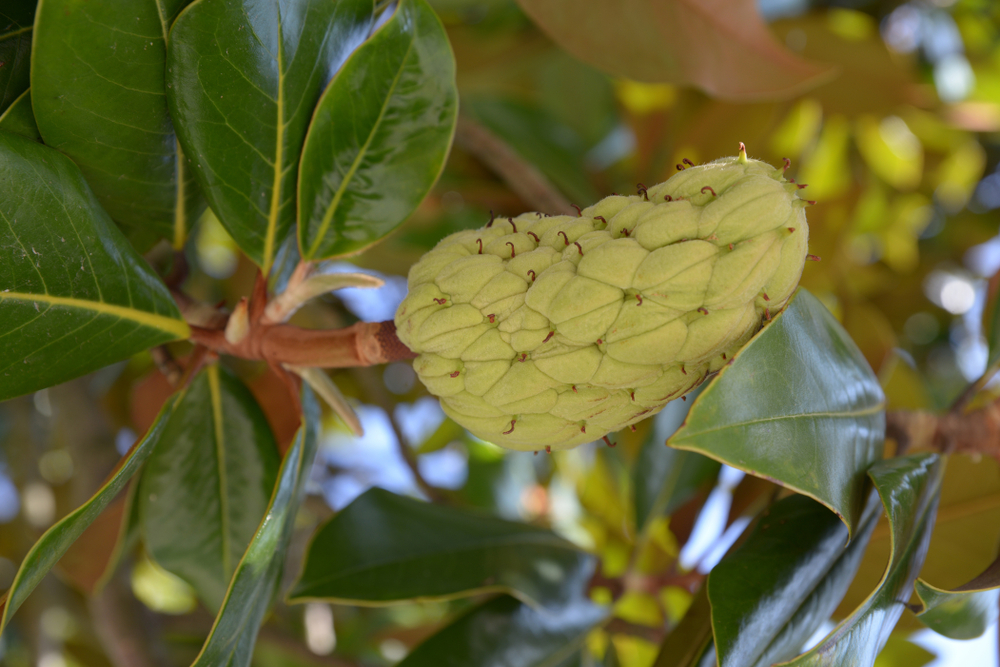
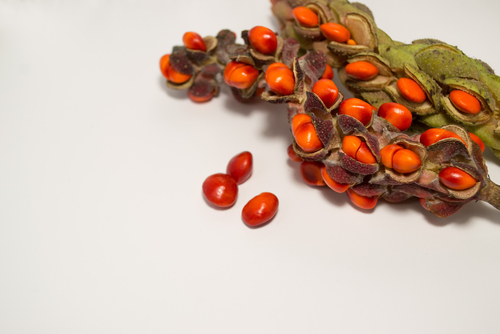
Once those gorgeous blooms fade, magnolias develop fruit that looks a lot like a funky pinecone. Inside, you’ll find the seeds. To get them ready for planting, you have to clean off the fleshy outer coating, pack them in moist sand, and let them chill out in the fridge for the winter. Come spring, you can tuck them into some seed-starting soil. Just a heads-up, though—this method is notoriously finicky and doesn’t always yield results.
The Layering Method: Slow and Steady
If you want a higher success rate, “layering” is a fantastic way to go. During the summer (July or August is perfect), find a long, flexible branch that you can easily bend down to the ground. Pin a section of the branch into the soil and bury it. Now comes the hard part: waiting! It usually takes about a year to a year and a half for a strong root system to develop. Once it has, you can snip it away from the mother plant and give it a home of its own.
Air Layering: The Pro Move
The third option is called “air layering,” and it’s a great choice if you want results a bit faster. Pick a healthy branch and make a small upward slit about 8 to 12 inches from the tip using a clean, sharp knife. To keep the cut from healing over, wedge a tiny pebble or a sliver of plastic inside. Wrap the wound in damp moss and secure it with a clear plastic bag (just poke a few air holes in it first). Unlike ground layering, you’ll usually see roots forming in just two or three months. Once they look sturdy, you can cut the branch and pot it up.
To recap, here are the best ways to grow your magnolia collection:
- Air Layering (Fastest results)
- Ground Layering (Very reliable)
- Seeds (If you’re feeling lucky!)