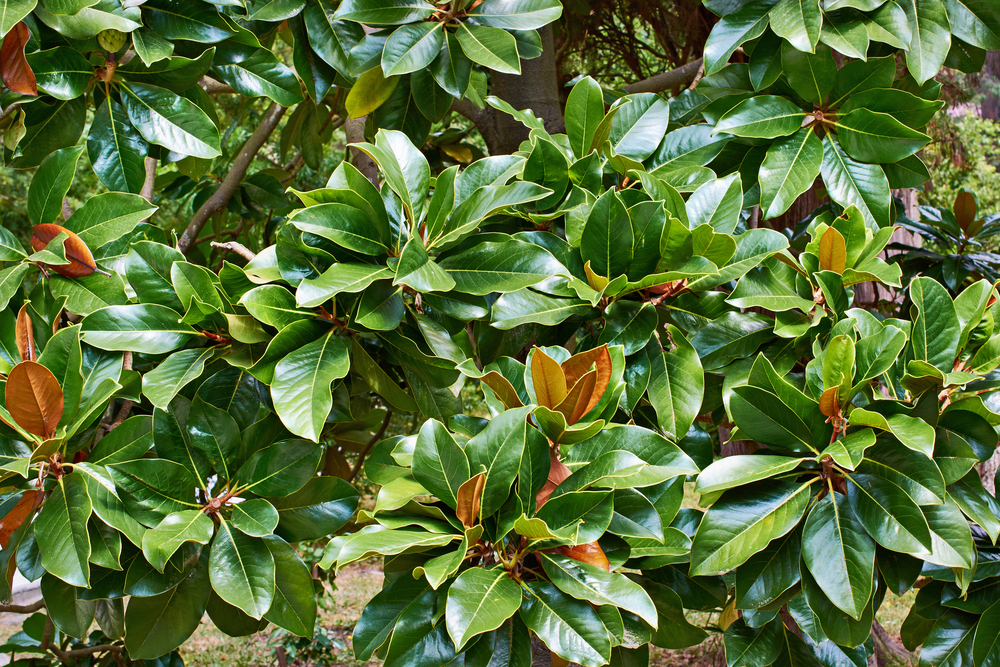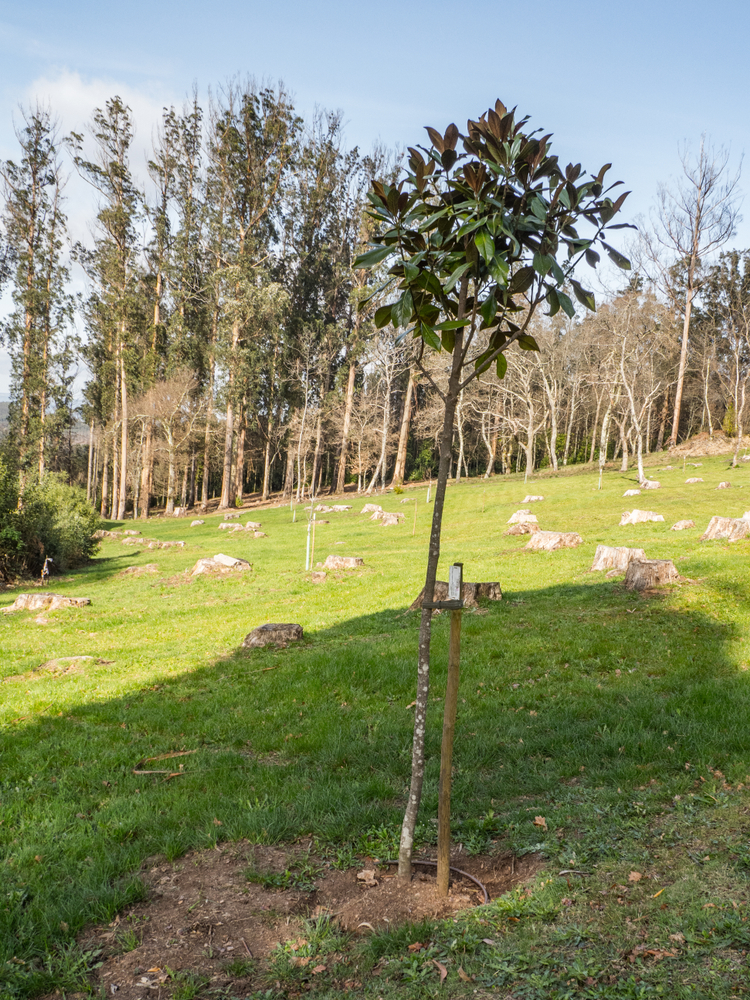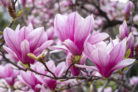
Magnolias aren’t just stunning, long-lived additions to your landscape—they can also be pretty pricey at the nursery. If you’re looking to save some cash or just love a good gardening challenge, growing your own magnolias is a rewarding project. While it takes a bit of patience, you can successfully propagate them using three different methods.
Growing Magnolias from Seed
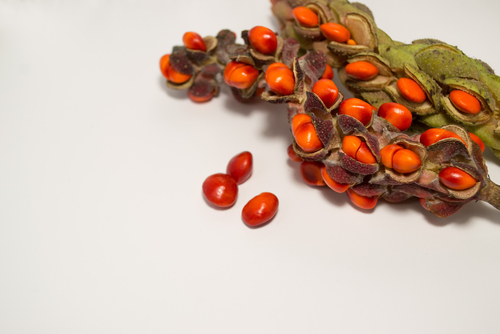
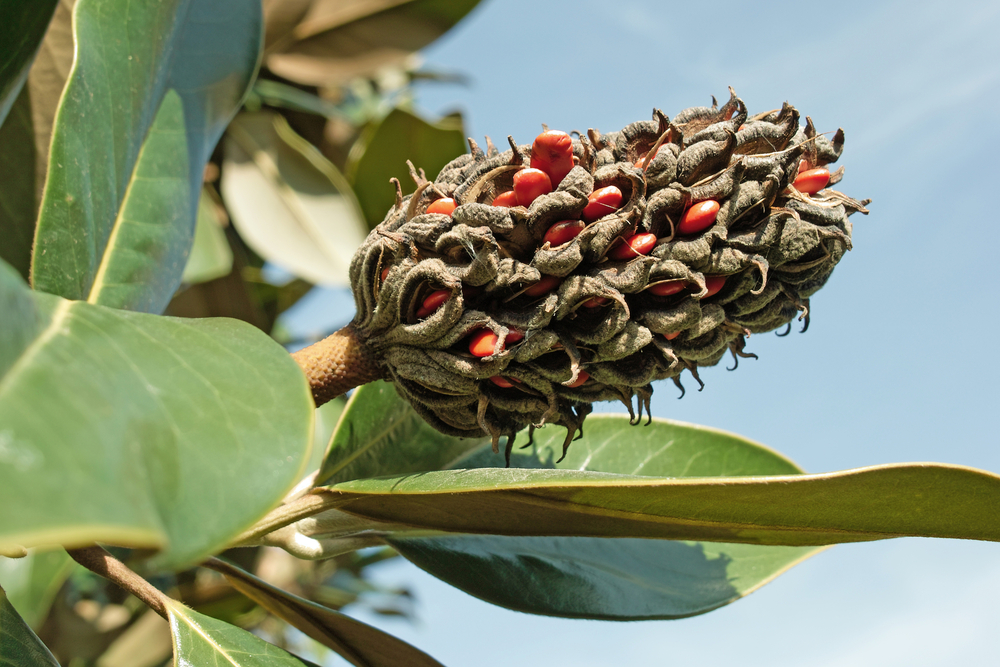
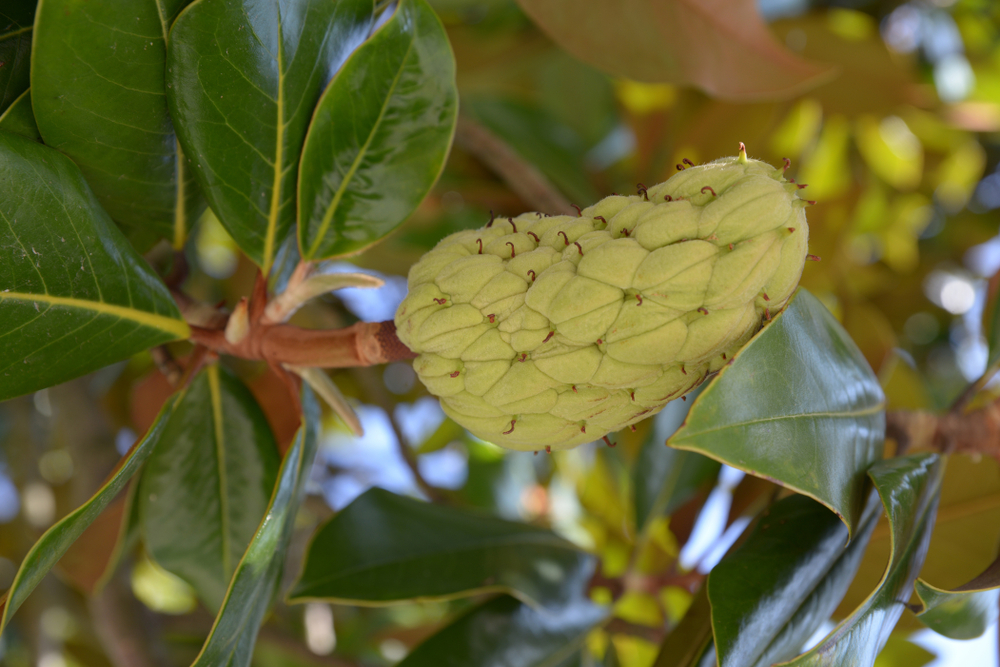
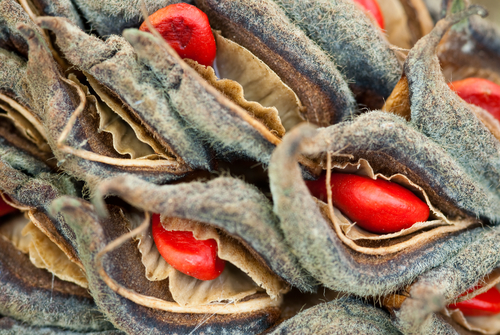
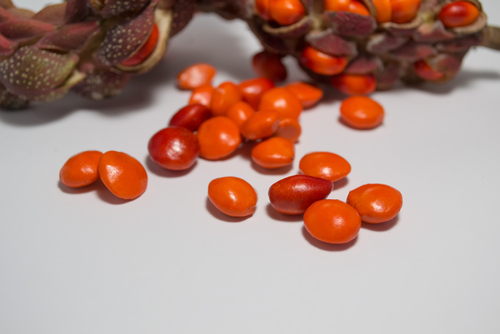
By late summer, those beautiful magnolia blooms may have turned into cone-like fruits. You can harvest seeds from these for propagation. Keep in mind that magnolia seeds are “cold germinators,” meaning they need a winter chill to wake up. You’ll need to stratify them by storing them in moist sand in your refrigerator for several months. Once they’ve been chilled and are ready to sprout, you can plant them in the spring. Just fill your pots with a loose potting mix, place the seeds inside, and cover them with a light dusting of soil.
Using the Layering Method
If you want a method that’s a bit easier and has a higher success rate than seeds, try “layering.” In July or August, find a long, flexible branch that can reach the ground. Gently bend it down and bury a section of it in the soil (leaving the tip exposed). Now comes the test of patience: it usually takes about a year to a year and a half for that branch to grow its own root system. Once it’s established, you can snip it away from the parent plant and move it to its new home.
Propagation by Air Layering
Another great way to grow a new magnolia is through air layering. Pick a healthy branch about half an inch thick and make a small upward cut about 8 to 12 inches from the tip. Make sure to use a very sharp, sterilized knife to prevent any fungal infections. The trick is to keep that cut open—wedge a tiny piece of wood or plastic in there—and then wrap the area tightly with damp sphagnum moss and plastic wrap. After two or three months, you should see roots growing right into the moss. At that point, you can cut the branch off and plant it.
In short, you can grow your own magnolias using:
- Seeds
- Ground layering
- Air layering