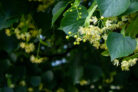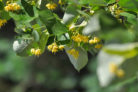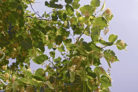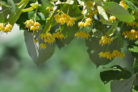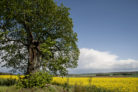
The Large-Leaved Lime (known scientifically as *Tilia platyphyllos*) is a classic deciduous tree that has been a staple of the landscape for centuries. Since the early Middle Ages, people have been drawn to its mystical, almost magical aura. If you’re looking to get to know this impressive tree a little better, I’ve put together a quick guide with all the essential facts and features.
Key Characteristics of the Large-Leaved Lime
The Large-Leaved Lime belongs to the mallow family and is a true survivor. Under the right conditions, these trees can live to be a staggering 1,000 years old! Here’s a breakdown of what makes this tree so unique:
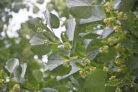
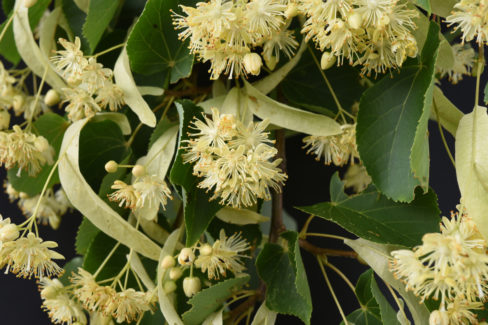
- The leaves are heart-shaped with a pointy tip and slightly serrated edges.
- You’ll notice the tops are a vibrant green, while the undersides are a bit paler with tiny tufts of white hair. This is actually the easiest way to tell it apart from its cousin, the Little-Leaf Linden, which has brownish hairs instead.
- These leaves can grow up to 6 inches (15 cm) in both length and width.
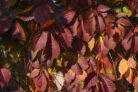
- Come autumn, the foliage turns a beautiful, bright yellow.
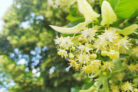
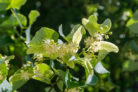
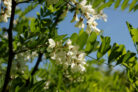
- This is the earliest blooming of all linden species. By June, the tree is covered in yellowish, incredibly fragrant blossoms.
- The flowers grow in clusters (cymes) and are about 3 to 4 inches long.
- By September, the tree produces small, round fruits.
- These capsule fruits are gray, fuzzy, and quite woody.
- Pro tip: Unlike the fruits of the Little-Leaf Linden, you can’t easily crush these little nuts between your fingers—they’re much tougher!
- The twigs have a reddish-brown tint and a slightly fuzzy texture.
- The bark starts out smooth and gray in its younger years, but as the tree ages, it develops deep, long furrows.
- The wood features a yellowish-white sapwood and a darker heartwood.
- It’s known for being very tough yet easy to work with, and it dries out quickly.
- These trees are deep-rooters, developing both a taproot and a heart-shaped root system.
- Fun fact: The root system actually spreads out wider than the tree’s canopy!
Ideal Growing Conditions
The Large-Leaved Lime loves a spot in full sun to partial shade. For the best results, the soil should be loamy or sandy, ranging from slightly acidic to alkaline. One thing to keep in mind: these trees aren’t big fans of drought. They need consistent moisture to really thrive and reach their full glory. They look stunning as a standalone “specimen” tree, but they also play well with others, especially when planted alongside oaks or pines.
Common Uses
The Large-Leaved Lime is incredibly versatile. The leaves and flowers are popular in the kitchen for making teas, honey, and essential oils. In fact, linden flower tea is a classic home remedy for fighting off colds and the flu, known for its ability to help “sweat out” a fever.
When it comes to the wood, it’s a favorite for carpenters and woodturners. You’ll often find it used for making toys and even musical instruments. And if you’re an artist, you might have used linden charcoal for sketching without even realizing it!