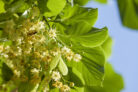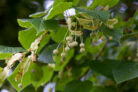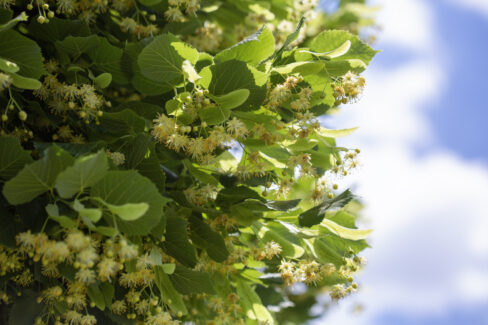
Few trees are as iconic or as celebrated in history as the linden. There’s a good reason for that: they are incredibly versatile and, luckily for us gardeners, they take to shaping and pruning like a total dream.
Lindens are pruning pros
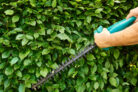
When it’s time to break out the shears, many of us get a little nervous—and for good reason. A lot of trees don’t handle heavy pruning well, and a hack job can really mess with their nutrient flow. But lindens? They’re different. Because they have relatively soft wood, they are much more forgiving when it comes to major “haircuts.” In fact, they are so resilient that you can even train them into a bonsai!
Why pruning is usually a must
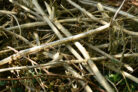
If you’re growing native varieties like the Littleleaf or Largeleaf linden, you’re looking at a tree that can soar up to 100 feet tall with a canopy just as wide. Unless you have a massive estate, pruning isn’t just a suggestion—it’s a necessity. The best time to get to work is in the fall, right before the first frost hits. Start by clearing out any dead or brittle branches. Once the “dead weight” is gone, feel free to give the tree a contour trim to get the shape you want. Don’t be afraid to be a little bold; lindens are tough and can handle a heavy prune without skipping a beat.
Keep those tools clean!
There is one golden rule you shouldn’t break: always use clean, sharp tools. If your blades are dirty, you’re basically inviting fungi or other diseases to move right into those fresh cuts. Give your shears and saws a good scrub before you start working on the live wood. For the old, rotting branches? Feel free to break out the chainsaw and go to town.
To wrap it all up, here’s your linden pruning cheat sheet:
- Lindens are generally very hardy and handle pruning exceptionally well.
- Aim to prune in the fall before the freezing weather arrives.
- Always make sure your cutting tools are clean to keep your tree healthy.