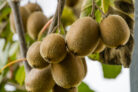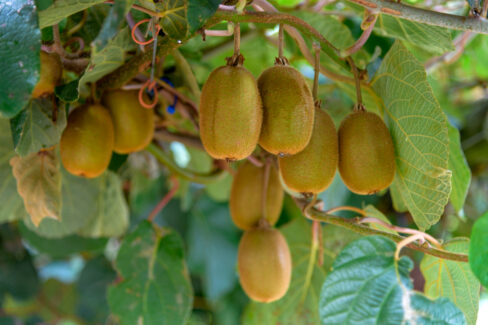
If you give your kiwi vines a little TLC, they’ll usually pay you back tenfold with a massive harvest of sweet, homegrown fruit. But here’s the secret sauce: if you want that bumper crop, you’ve got to stay on top of your pruning game.
Don’t worry, it’s not as intimidating as it sounds! Here’s everything you need to know to keep your kiwi plants happy and productive.
The Best Time to Prune Your Kiwi
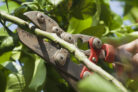
For the best results, you’ll want to grab your shears twice a year. We call these the “summer prune” and the “winter prune.”
The summer prune usually happens around July or August. For the winter prune, February or March is generally the sweet spot. However, if you live in a milder climate or one of the prime kiwi-growing regions, you might even want to get started as early as January.
Why the timing matters: Kiwi vines have a lot of sap pressure, and if you cut them too late in the spring, they can actually “bleed” sap. Pruning in the summer is much safer because the plant heals those cuts quickly once the weather is warm.
Pruning in Years 1 and 2
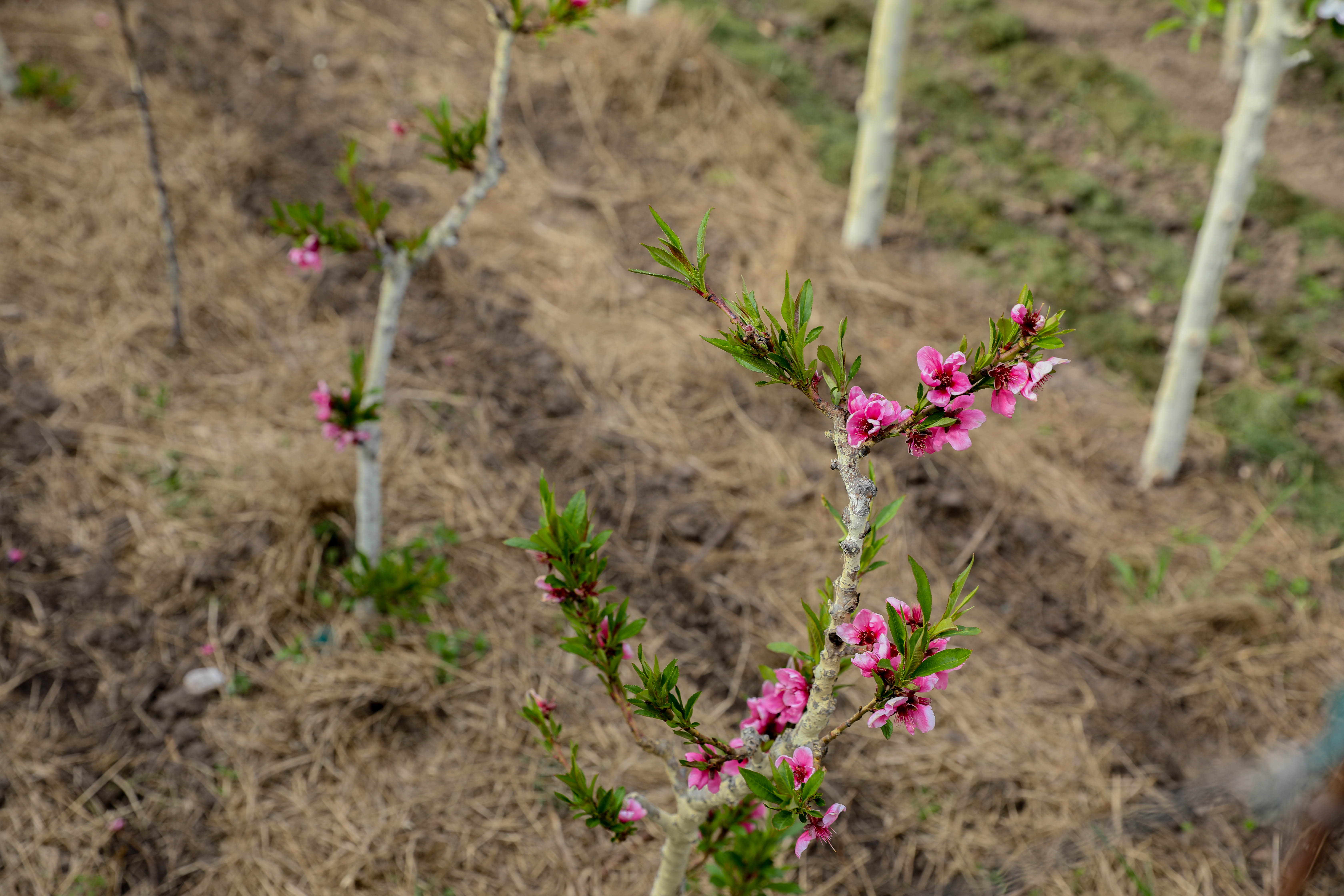
When your kiwi is just a “baby,” the goal is to let it establish itself. You want to give it plenty of room to grow so it can eventually produce gorgeous blooms and heavy fruit. Avoid any radical hacking during these first two years!
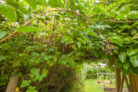
In the first year, focus on your main “leader” branches. Train these strong main shoots along the horizontal wires of your trellis or support system, spacing them about 2 feet apart. By the second year, these main branches will start sending out side shoots. During the summer, just pinch these side shoots back so they only have about 4 to 6 leaves each.
Pruning in Year 3 and Beyond
Year three is when the magic happens! This is usually when your kiwi starts growing “fruiting lateral” branches from those side shoots. You’ll see your very first flower buds appearing, and this is where your summer pruning comes in. Trim these shoots back so there are only about 3 or 4 leaves left past the last flower bud. This tells the plant to stop putting energy into leaves and start focusing on the fruit.
Once you’ve harvested your first crop, you’ll need to do a bit of maintenance every winter (February or March). Since kiwi branches don’t produce fruit in the same spot twice, you’ll want to prune away the old fruiting wood. Just make sure to leave the strongest new “replacement” shoots—the ones that haven’t fruited yet—to be next year’s superstars!