If you’re growing a Mediterranean Cypress, you probably already know that watering is the trickiest part of the job. These evergreens are a bit like Goldilocks—they can’t stand being bone-dry, but they hate “wet feet” from standing water, too. They want just the right amount of moisture to match their thirst. Here’s how to get it right.
Mastering the Art of Watering Your Cypress
Keeping your cypress healthy and vibrant all comes down to timing and balance. You’ll hit the sweet spot if you follow these simple rules:
- Never let the soil dry out completely.
- Water as soon as the top layer of soil feels dry to the touch.
- Adjust your schedule based on the weather.
- Give them extra love (and water) on those scorching summer days.
- Keep a closer eye on trees in sunny or windy locations.
- Avoid soggy soil—don’t try to “over-water” now to save time later.
If you can, use collected rainwater that’s been sitting for a bit; your cypress will thank you for it!
Pro Tip:
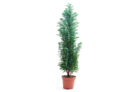
If you have a potted cypress, it’s going to need regular fertilizing. The easiest way is to just mix a bit of liquid conifer fertilizer right into your watering can.
Don’t Skip the Drainage Layer
It’s rare to find garden soil that drains perfectly on its own. Since a cypress can live for a very long time and really hates being transplanted, it’s worth doing the prep work before planting. Whether it’s going in a garden bed or a container, a drainage layer is a must.
- For outdoor planting, dig a hole at least 30 inches deep and 60 inches wide.
- Add about 4 inches of gravel to the bottom.
- Mix your excavated soil with coarse sand (a 2:1 ratio works great).
- For pots, make sure there are large drainage holes in the bottom.
- Add at least 2 inches of drainage material like pebbles, lava rock, or broken terracotta shards.
Pro Tip:
Adding a layer of mulch helps keep the soil loose and prevents water from evaporating too fast. Plus, as it breaks down, it feeds nutrients back into the soil.
Don’t Forget Winter Watering
Even when it’s cold out, these evergreens stay active and still need a drink. Keep an eye on the forecast—if you’re having a dry winter without much rain or snow, you’ll need to step in. Give your tree some lukewarm water on days when the ground isn’t frozen. And of course, if you have non-hardy varieties overwintering in a garage or under a porch, they are 100% dependent on you for water until spring!