Blueberries aren’t exactly “divas” when it comes to garden pests and diseases, but they aren’t invincible either. Every now and then, a few specific issues can pop up and ruin your harvest. The secret to keeping your bushes happy is catching these problems early and knowing exactly how to handle them.
Blueberries are picky about their “home”
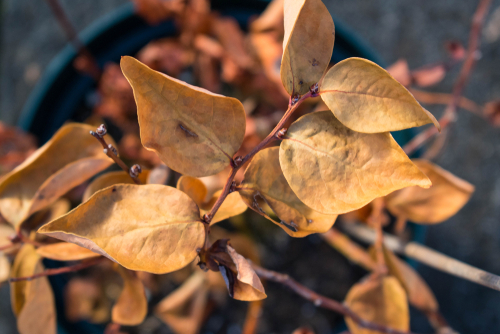
If your blueberries look a little sad, it’s usually because they aren’t fans of their current living situation. These plants react pretty quickly to the wrong soil or a bad location. Getting the basics right from the start is half the battle! If you need a refresher, check out these guides:
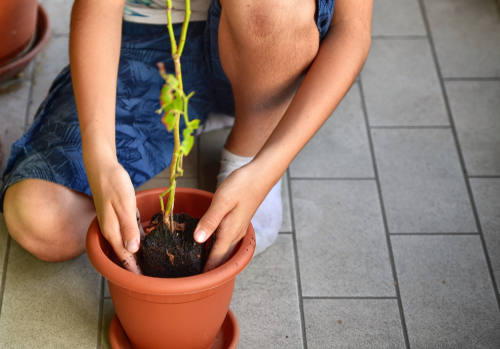
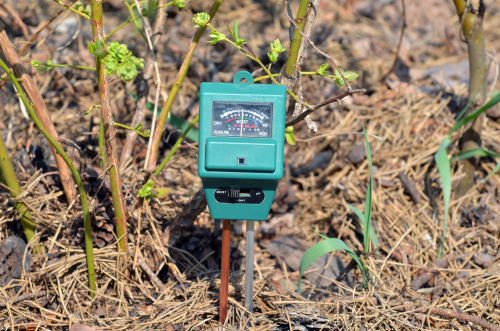
Here’s the deal: most backyard soil in our neck of the woods is heavy, clay-based, and full of lime. Unfortunately, that’s the exact opposite of what blueberries want. They crave acidic, low-lime soil. If they don’t get it, they’ll grow poorly or, worse, give up on you entirely. If your ground soil isn’t cutting it, you’ll need to swap it out. Honestly? Growing blueberries in large pots is often the easiest way to control the soil quality without digging up your whole yard.
Watch out for the Winter Moth
While the list of bugs that bother blueberries is thankfully short, there is one little guy you need to keep an eye on: the Winter Moth. This is the main pest that can actually do some serious damage. The males are small moths that you can spot by these features:
- Beige-brown front wings (sometimes with a reddish tint),
- Faint, brownish wavy lines with darker patches in between,
- Yellowish fringe along the wing edges,
- Pale yellow to grey hind wings, and
- Fine, hairy wings.
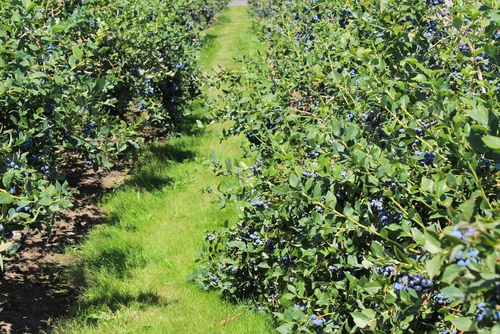
The females are a bit different—they can’t fly! They are brownish-grey and just crawl around the plant. The real trouble starts with their tiny caterpillars. These hungry little things can strip a plant bare, leaving nothing behind but the leaf veins and stems. If you have a dense row of bushes or a blueberry hedge, these pests can spread like wildfire.
If you spot these caterpillars on your plants, you need to act fast and prune away the infested areas immediately. To stay ahead of the game, I recommend a regular, gentle maintenance prune to keep the bushes airy and easy to inspect. Keep a close eye on your plants throughout the season—catching an infestation early is the only way to save your berry crop!