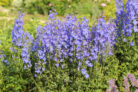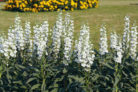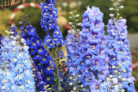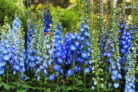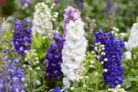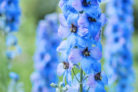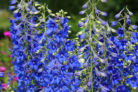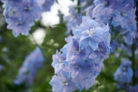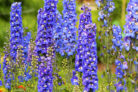
Delphinium—or Larkspur, as many of us call it—is a total showstopper in the garden, known for those stunning flower spikes that can tower up to six feet tall. If you play your cards right, you can actually get these beauties to bloom twice in a single season! The secret lies in knowing exactly when and how to prune them. Plus, keeping a close eye on any funky-looking leaves will keep your plants thriving.
Encouraging a Second Bloom
Delphiniums typically bloom in mid-summer, usually around June or July. Once those flowers fade, the plant naturally starts putting its energy into producing seed pods. But here’s a pro tip: if you cut the plant back immediately after that first summer flush, you can trick it into a second round of blooms. The key is not to go too low—aim to cut the stalks back to about 8 to 12 inches above the ground.
Make sure you leave the base leaves intact, as the plant needs them to gather energy for that new growth. And as always, make sure your garden shears or knife are nice and sharp to ensure clean cuts.
The Fall Cleanup
When it comes to the autumn prune, you’ll want to wait until the plant has completely finished its second flowering cycle. This might not happen until well into November. At this point, you can cut the entire plant down almost to ground level. Delphiniums retreat into their rootstock for their winter nap. If you skip this step, the old foliage can rot over the winter, which often leads to disease. That’s why this fall cleanup is so vital for a healthy comeback next spring.
Pruning for Plant Health
Aside from the summer “deadheading” and the fall cleanup, there’s one more reason to grab your shears: health inspections. If you notice your Delphinium leaves looking a bit off, it’s likely a sign of disease. You’ll want to snip off any affected areas immediately. Keep an eye out for these red flags:
- Leaves turning black
- Brown leaves with distinct black spots
- A powdery white coating on the leaves or stems
These symptoms usually mean your plant is dealing with a bacterial infection or a fungus like powdery mildew. These issues can spread like wildfire to your other garden favorites, so act fast! Be sure to bag up those diseased clippings and toss them in the trash rather than the compost pile to prevent the spores from sticking around.