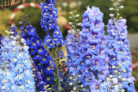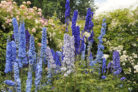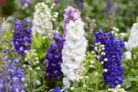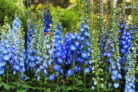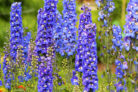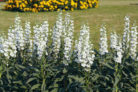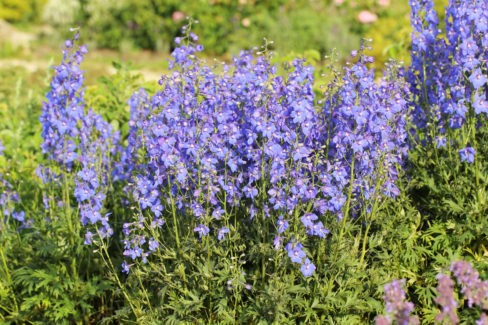
Delphiniums are famous for those stunning, towering flower spikes in shades of deep blue, purple, and crisp white, making them a total staple in many of our flower beds. These beauties usually start showing off in early summer. But here’s a pro tip: once those first blooms start to fade, you can actually coax the plant into a second act! With a little strategic pruning, you can enjoy a whole new round of flowers. Here’s everything you need to know about caring for your delphiniums after they bloom.
Pruning After the Summer Bloom
Most delphiniums are overachievers and will bloom twice a year—typically during these windows:
- June and July
- September and October
The secret to getting that second show is all in the timing. As soon as the summer flowers start to wither, it’s time to grab your shears. You’ll want to cut the flower stalks back to about 8 to 12 inches above the ground. Be careful to cut just above the foliage—you want to remove the spent flower spikes but leave the healthy green leaves intact. This encourages the plant to push out new growth and gear up for a gorgeous encore in the fall.
Cutting Back After the Fall Bloom
Since your delphiniums are blooming twice, you’ll need to tidy them up twice. Once the fall flowers have faded, it’s time for a more significant cut. This time, prune the entire plant down close to the ground. This helps the plant tuck in for its well-deserved winter nap so it can come back strong and fresh in the spring.
Heads up: If you’re planning to collect seeds, don’t reach for the shears immediately after the blooming period. Wait until the plant develops its seed pods (follicles). Once they’re ready, you can harvest them and pop out the seeds for next year.
If you’d rather let your delphiniums do the work for you, just leave the seed pods on the plant until they naturally scatter their seeds. Once the self-seeding is done, you can go ahead and cut the plant back for the winter. Try to pick a mild, overcast day for your pruning; this helps prevent the freshly cut stems from drying out too quickly in the harsh sun.
delphininium