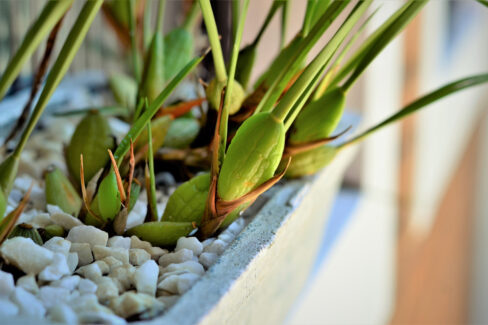
Thanks to their tropical roots, many orchids have developed special structures called bulbs that act as built-in storage tanks for water and nutrients. These green powerhouses are absolutely essential for keeping your plant hydrated and growing strong. If you want a thriving orchid, understanding how to care for these bulbs is key!
Why Orchid Bulbs Matter
Think of bulbs as your orchid’s personal pantry. Along with the roots, they store up moisture and nutrients so the plant has a steady supply of energy even when things get a bit dry. These bulbs are also the starting point for new leaves and flower spikes.
Even when grown indoors, these storage organs play a huge role in your orchid’s health. Without them, most orchids would struggle to stay hydrated and nourished. That’s why keeping them in tip-top shape is so important for the long-term development of your plant.
How to Prune Bulbs Correctly
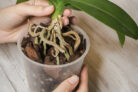
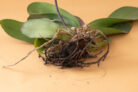
Here’s a golden rule: never cut into green, healthy bulbs! Doing so can cut off the plant’s lifeline. You should only reach for the shears when a bulb is completely dried out and shriveled. When that happens, snip it off right at the base. Try to get as close to the main plant as possible, but be careful not to nick any healthy parts nearby.
Pro tip: The best time to do this maintenance is while you’re repotting your orchid or giving the roots a trim.
Using Backbulbs for Propagation
Did you know you can actually grow new plants from old bulbs? Some orchid species can be propagated using “backbulbs”—these are bulbs from previous years that might look a little shriveled but aren’t dead yet. These tough little guys often still have enough energy to sprout new roots and shoots.
Here’s how to try it yourself:
- Fill a clean glass jar with some damp sphagnum moss (or a similar peat moss) and tuck the bulb inside.
- Don’t seal the lid tight—just rest it loosely on top so there’s a bit of airflow.
- Place the jar in a bright, warm spot. Make sure to lift the lid regularly for fresh air and give the bulb a light misting of water now and then.
If you see new leaves or shoots popping up after a few weeks, keep it in the jar until you see at least two healthy new roots. Once that happens, your baby orchid is ready to move into its own pot!
Bulbs vs. Pseudobulbs: What’s the Difference?
In the world of botany, you’ll often hear the terms “bulbs” and “pseudobulbs” used interchangeably when talking about orchids. While most hobbyists just say “bulbs,” there is a technical difference.
True Bulbs
A true bulb is like an onion—it’s made up of several fleshy layers or scales. You see these on many different types of garden plants.
Orchids Have Pseudobulbs
Orchids don’t actually have those layered onion-like structures. Their storage organs are solid all the way through (botanists call this “homogeneous”). Because they lack those layers, they are technically “pseudobulbs” rather than true bulbs. But don’t worry—in the orchid world, everyone will know exactly what you mean regardless of which term you use!