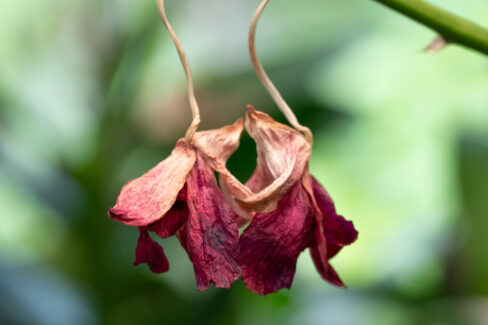
Exotic orchids have long been a favorite for plant lovers, and it’s easy to see why—that stunning bloom display is hard to beat! But once those beautiful flowers fade, many indoor gardeners wonder what’s next. To make sure your orchid doesn’t take forever to bloom again, there are a few simple care tricks you should know. Follow these tips, and you’ll have a gorgeous, flowering windowsill again in no time.
Caring for Your Orchid After the Blooms Fade
Even after the blooming period ends, your orchid still needs some TLC to prep for its next big show. To get those flowers back quickly, you’ll want to focus on three main things:
- Pruning away dried-up parts,
- Adjusting your watering and fertilizing routine,
- Finding the perfect spot for it to rest.
Removing Dried Plant Parts
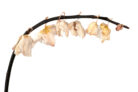
First off, don’t worry about cutting off the wilted flowers themselves. You can just let them fall off naturally or give them a very gentle tug. The same goes for any yellowed or withered leaves—they usually pop right off.
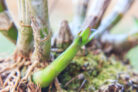
When it comes to the flower spike (the stem), don’t be too quick with the scissors! As long as the spike is still green and healthy-looking, leave it alone. With a little patience, you might see new side shoots and buds popping up from that same stem. You should only cut the spike back to the base of the plant if it has turned completely brown and dried out.
Give It a “Cold Shock” to Trigger New Growth
If your orchid seems a bit sleepy, a little “cold shock” can be just the thing to encourage new leaves and fresh shoots. After the flowers are gone, move your orchid to a bright spot that’s about 10°F (5°C) cooler than its usual home.
During this resting phase, dial back the watering. Instead of a deep soak, just give the leaves and aerial roots a light misting to keep the humidity up. You should also skip the fertilizer entirely for now. Only start feeding it again once you see the plant starting to push out new growth.
The Best Time to Repot
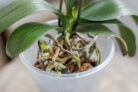
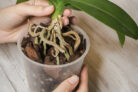
The post-bloom phase is actually the perfect time for repotting. Moving a plant is always a bit stressful, so it’s much better to do it when the orchid isn’t putting all its energy into flowers. (Repotting while in bloom often causes the flowers to drop prematurely!) Plus, fresh orchid bark or substrate provides a boost of nutrients that are essential for the next growth cycle.