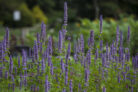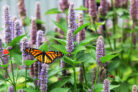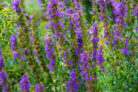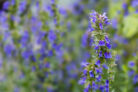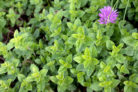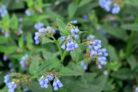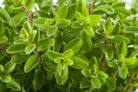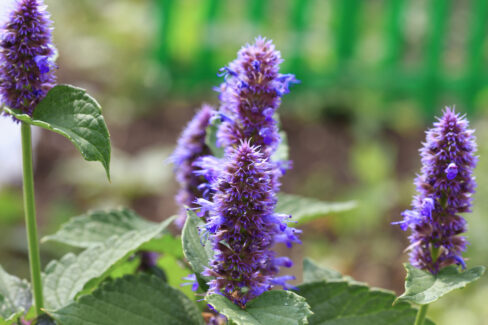
Don’t be intimidated by the idea of growing hyssop! While this beautiful herb originally hails from the sunny Mediterranean and Eastern Europe, it’s been a staple in home gardens for centuries. Plus, as a hardy perennial subshrub, it’s incredibly low-maintenance once it gets settled.
Find a Sunny Spot and Grab Some Seeds
If you want to add hyssop (*Hyssopus officinalis*) to your garden, look for a location that is warm, very sunny, and protected from harsh winds. This herb isn’t picky, but it does insist on well-draining soil (no soggy feet, please!) and a little bit of lime.
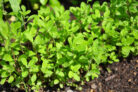
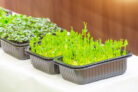
You can start your hyssop journey in May using seeds—either saved from an existing plant or bought at the store. Sowing the seeds directly into your garden bed is usually the way to go. While you *can* start them indoors as early as March, there isn’t much of an advantage since hyssop grows so quickly on its own.
- Loosen the soil and clear out any stones or weeds.
- Sow seeds thinly and press them down gently.
- Cover with no more than 1/4 inch (5 mm) of soil—they need light to germinate!
- Mist the area lightly with a spray nozzle.
- Keep the soil consistently moist (but not soaked).
- Expect sprouts in about 2-3 weeks.
- Thin the seedlings to about 10 inches (25 cm) apart.
- Hyssop makes a fantastic companion plant for roses.
- In the veggie patch, it helps ward off snails and aphids.
Pro Tip:
If you’re building a herb spiral, hyssop loves the dry, top section right next to sage and rosemary.
Easy-Breezy Maintenance
Hyssop (sometimes called “Blue Tansy” or “Holy Herb”) is a champ when it comes to drought. You’ll only need to water young plants regularly; once they’re established, they rarely need the watering can, even in the heat of summer. A quick serving of compost in the spring provides all the nutrients they need. Hyssop is winter hardy, but if you live in a particularly harsh climate, a thick layer of mulch or brushwood will help keep it cozy until spring.
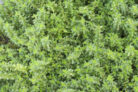
To keep your plant looking its best, give it a good pruning in late spring—just be careful not to cut back into the old, woody growth. A second light trim right after the blooming season (which runs from June to September) will help the plant stay compact and bushy. Regular pruning really makes a difference in its shape!
Cooking with Hyssop
Hyssop has a bold, slightly bitter, and very intense flavor, so a little goes a long way! You’ll want to harvest the fresh leaves and young shoots. It pairs beautifully with potato dishes, salads, soups, fish, and meat. Just a heads-up: don’t cook the herb with the food. Instead, toss it in right before serving to keep the flavor bright. The blue-violet flowers are also edible and make a stunning garnish.
Hyssop as a Healing Herb
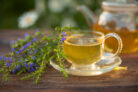
Hyssop has a long history in herbal medicine, where it’s most commonly used in its dried form. It contains compounds that are antiviral, anti-inflammatory, and great for clearing out congestion. To make a soothing tea, pour about 7 ounces (200 ml) of hot water over 2 teaspoons of dried hyssop. Let it steep for 8 to 10 minutes. It’s a wonderful natural remedy for easing cold symptoms and upper respiratory issues.