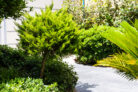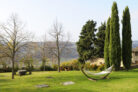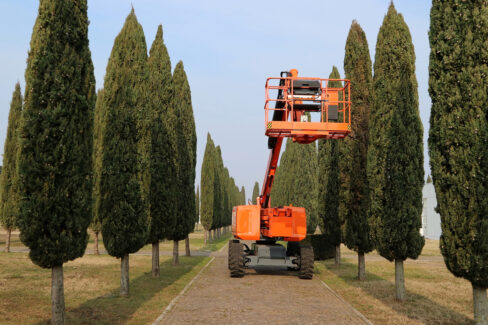
The decorative Italian Cypress—often called the Tuscan Cypress—is a Mediterranean classic. If you’ve ever vacationed in Italy, you know the look: elegantly slender, upright trees reaching proudly toward the sky. In their native habitat, they’re often planted in long, majestic avenues that can soar up to 100 feet high. That Mediterranean flair is exactly why so many of us love growing them in our own backyards. However, because they grow so vigorously, you’ll need to grab your shears fairly regularly. Here’s my guide on how to prune them like a pro without breaking a sweat.
Prune your Italian Cypress once a year
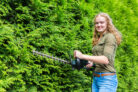
The sweet spot for pruning is late summer. Between late August and September is usually the best time to pull your garden shears out of the shed. If the weather stays mild, you can even push your pruning schedule into October.
Pro tip: Try to prune in the early morning. This helps prevent the freshly cut branches from drying out or getting “sunburned” under the intense midday sun.
Don’t go overboard with the haircut
When it comes to these Mediterranean beauties, less is usually more. You don’t want to do a radical “hack job.” Instead, simply follow the natural, slender silhouette of the tree.
A few more things to keep in mind:
- Always make sure you leave some green needles on the branches you’re trimming. The tree needs those needles to sprout new growth.
- If your cypress is getting a bit too bushy for your liking, trim back the side shoots, but leave the top leader alone. If you cut the very top off, the tree will start growing outward in all directions and lose that iconic, pillar-like shape we love.
Dealing with brown spots
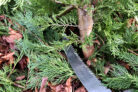
If you notice brown patches on your cypress, it’s usually a sign of thirst rather than cold. If these spots show up after winter, it’s likely not frostbite, but rather a sign that the tree didn’t get enough moisture during the dry winter months.
Unfortunately, once a patch turns brown, watering alone won’t turn it green again. The only real fix is a targeted pruning. Once you trim those spots away, the tree will produce fresh growth to cover the gaps with beautiful new greenery.
Extra tips for success
If your tree ever needs a major “renovation” prune, I highly recommend spreading the work out over several years. This gives the tree plenty of time to recover between sessions and ensures it keeps its natural, stately shape.