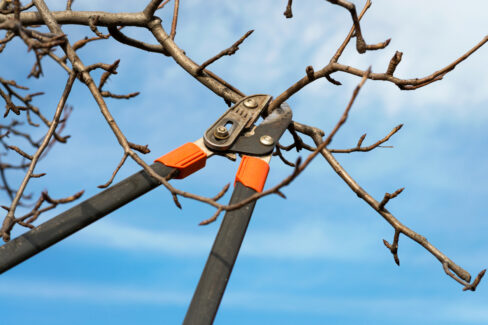
If you want a harvest of juicy, sun-ripened apricots, you’ve got to stay on top of your pruning game. Apricot trees need plenty of light and air circulation to reach their full potential. If the canopy gets too crowded, the blossoms won’t get what they need to turn into fruit.
To help you get it right, I’ve put together a quick guide and some pro tips for thinning out your tree.
Why Regular Pruning is a Must
Think of pruning your apricot tree as a way to boost your harvest. It’s not necessarily about making the tree shorter; it’s about clearing out the “clutter”—old growth and dead wood. By thinning things out, the tree can stop wasting energy on useless branches and focus entirely on producing beautiful blossoms and fruit. Plus, it makes it much easier for pollinators, warmth, and sunlight to reach the center of the tree.
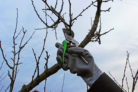
How to Prune Your Apricot Tree: The Basics
When you head out to the orchard (or your backyard!), keep these steps in mind:
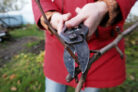
- Always use sharp, clean pruning shears.
- Clear out any dead wood.
- Snip off any damaged branches or diseased leaves.
- Cut back any shoots that are growing inward toward the trunk or downward toward the ground.
Timing is Everything: When to Thin Out the Tree
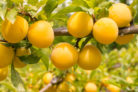
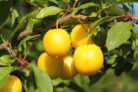
The absolute best time to prune is right after the harvest in late summer. After the tree has put all its energy into growing fruit, a good trim helps it recover and prep for the next season.
Just make sure you do it while the weather is still mild. You want to get your pruning done well before the first frost to avoid causing any unnecessary stress or damage to the tree.
Can You Prune an Apricot Tree in the Spring?
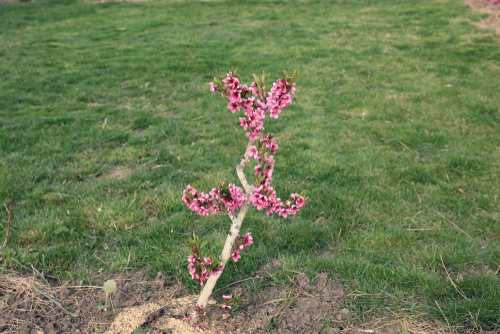
If you missed the window in late summer, or if you’ve just planted a brand-new tree, early spring is your next best bet. This is also a great strategy for apricot varieties that bloom late in the season, where a summer harvest might run right up against the first frost. If you go the spring route, wait for a frost-free day in March or April.
Pro Tips for the Perfect Shape
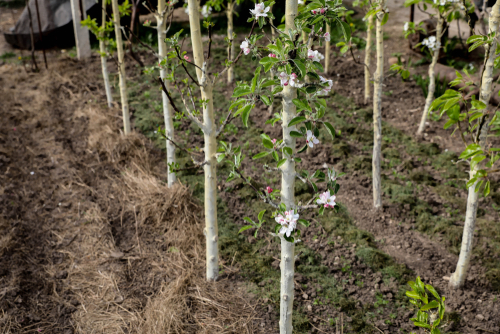
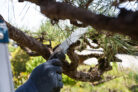
The golden rule here is to thin, don’t chop. You aren’t trying to give the tree a buzzcut; you’re just opening it up. Try to keep your cuts small. If you have to remove a larger branch and the cut is bigger than a silver dollar, it’s a good idea to seal it with some pruning wax or tree resin. Ideally, you want the crown of the tree to have a sloped shape, sort of like a roof at a 45-degree angle.
Finally, never underestimate the importance of your tools. Dull blades can crush the branches instead of slicing them, which invites trouble. To keep your tree healthy and prevent spreading germs, make sure your shears are clean and disinfected before you start.