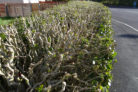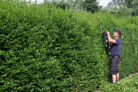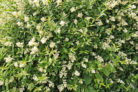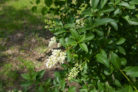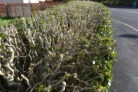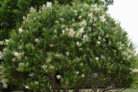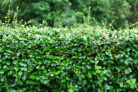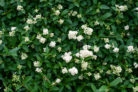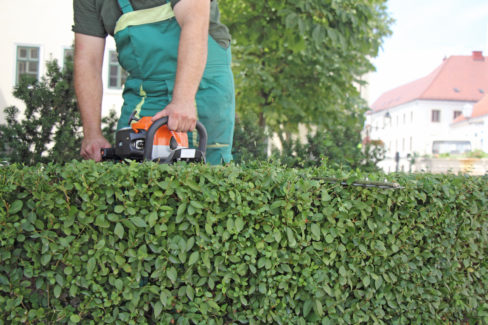
To keep your privet looking lush and perfectly shaped, you’ll want to grab your shears at least twice a year. If you’re working with younger plants, adding a third trim in the fall is a great way to encourage that dense, bushy growth we all love.
The Best Times to Prune Your Privet
Because privet is such a fast grower, it really benefits from being trimmed multiple times a year. The two most important windows for pruning are:
- In the spring and
- In August.
For young plants, a third “bonus” trim in the fall is a smart move. Now, some pros might warn against a fall pruning because fresh new growth can be sensitive to winter frost. However, if you want a hedge that’s thick enough to block out the neighbors, that extra fall haircut is the best way to get those branches to fill in nicely.
Stick to this three-trim schedule for the first few years of your privet’s life. Once your hedge is well-established and mature, you can totally drop the fall session—two trims a year will be plenty to keep it looking sharp.
How to Handle a Fall Trim
Fall isn’t the time for any radical heavy hacking. Think of the fall trim (much like the August one) as more of a “shape-up” to keep things tidy. It’s also a great time for some light thinning—removing old or sickly branches before winter sets in helps the plant focus its energy on fresh, green growth come spring.
Timing Your Fall Pruning
The best window for your fall trim starts in September. This is also great news for local wildlife; since bird nesting season is over, you don’t have to worry about disturbing any feathered friends. Just make sure to pick a day that’s frost-free, and give your hedge a good drink of water after you’re finished to help it recover.
Put Those Clippings to Work!
Don’t just toss those branches in the green bin! You can actually use your fall trimmings for propagating new privet plants. If the clippings are young and long enough, they make perfect cuttings to start a whole new hedge.
Alternatively, you can chop up smaller clippings to use as mulch. This adds nutrients back into the soil and helps keep the roots hydrated—your plants will thank you!