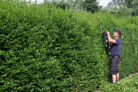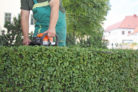
If you want a privet hedge that looks lush and stays in shape, you’ve got to get comfortable with your pruning shears! Pruning your privet several times a year isn’t just about tidying up; it’s the secret to fast, healthy growth and that thick, “wall of green” look we all love. Here’s the lowdown on when and how to trim your privet.
Why Regular Pruning is a Must
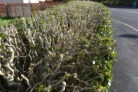
Because privet grows so incredibly fast, regular haircuts are non-negotiable. Without them, your tidy shrub will quickly lose its shape and can skyrocket to a wild height of nearly 13 feet! This is especially true for privet hedges. Trimming doesn’t just maintain the silhouette; it actually triggers the plant to grow denser foliage. If you want a privacy hedge that neighbors can’t see through, regular clipping is your best friend.
The Best Times to Prune
To keep things simple, here is a quick roadmap for your pruning schedule:
- Spring: Time for a heavy “hard prune” or a rejuvenation cut.
- August: The perfect window for a shape-up (topiary or maintenance trim).
- Fall: An extra trim for young plants to encourage thickness.
The Spring Prune
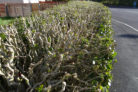
Early spring is the prime time for a radical cutback. One of the best things about privet is how tough it is—it’s very forgiving, even if you’re a bit heavy-handed with the shears. If you need to rejuvenate your privet, don’t be afraid to cut it back by up to two-thirds. Seriously, don’t be shy! The more aggressively you prune in the spring, the stronger and denser the new growth will come back.
Pro tip: You should also give new plants a hard prune immediately after planting to get them started on the right foot.
The August Trim
By the time August rolls around, it’s all about the aesthetics. This trim is mainly for shaping. Snip away any rogue branches that are sticking out of line. This is also the best time to get creative if you want to give your privet a brand-new look. Using guide strings or templates can help you get those perfectly straight lines or cool geometric shapes.
The Fall Trim
A third trim in the fall is usually only necessary for young privet plants. This extra step helps the youngsters fill out and get nice and bushy. For older, established hedges, you can usually put the shears away after the August trim; the spring and summer sessions are plenty for them.
Giving Old Hedges a Makeover
Old privet hedges can sometimes get “leggy” or develop bald spots near the bottom. If yours is looking a little tired, a radical spring pruning can breathe new life into it. This rejuvenation cut involves cutting the old wood back significantly. It might look a bit bare for a moment, but over the following months, the plant will reward you with a flush of fresh, vibrant green leaves.
A Quick Note on Local Wildlife
Before you go full “Edward Scissorhands” on your hedge, keep an eye out for nesting birds! In many areas, heavy pruning is restricted during the spring and summer months to protect nesting wildlife. Even for light maintenance trims, always double-check your hedge to make sure you aren’t disturbing any feathered friends who might be calling your privet home.