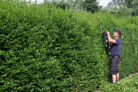
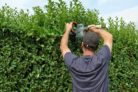
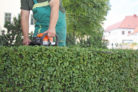
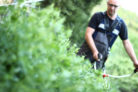
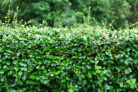
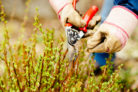
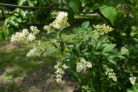
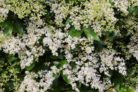
If you want your privet hedge to look lush, manicured, and totally private, regular pruning is the name of the game. For those older, leggy, or “lazy” shrubs that just aren’t blooming like they used to, a rejuvenation prune can work absolute wonders.
The Different Ways to Prune
To keep a privet looking its best, you’ll want to trim it several times a year. These key sessions are what encourage that thick, bushy growth we all love:
- A radical hard prune in the spring.
- A shaping trim in August.
- For young plants, a third light trim in the fall to help them fill out.
Rejuvenation Pruning for Older Shrubs
Beyond your standard maintenance, there’s the “rejuvenation prune.” Older privets often get bare spots or stop producing those lovely flowers. If your hedge is looking a bit tired, this technique can work like a charm, triggering a total growth spurt and bringing back that dense, vibrant green foliage.
How to Do a Rejuvenation Prune
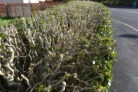
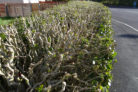
When you rejuvenate a privet, you’re essentially cutting it back to the stump. Don’t be shy with those loppers! You’ll want to cut the branches back by up to two-thirds of their original length. It feels drastic, but a bold cut is exactly what’s needed to kickstart fresh, healthy growth.
The Best Time to Rejuvenate
If you’re planning to cut your privet back hard, spring is your best bet. This is also the time to give young, newly planted privets a radical cut to help them establish. In the spring, the soil is usually damp enough that you won’t have to worry quite as much about constant watering. Plus, it gives the plant the entire growing season to push out new branches and leaves.
Aftercare Following a Hard Prune
Once you’ve finished your radical pruning, make sure to keep the plant well-watered. While fertilizing isn’t strictly necessary, laying down a nice layer of mulch around the base is a great idea. It helps hold in moisture and keeps the roots happy.
What to Do with the Leftovers
Don’t just toss those clippings in the trash! You can take the best-looking stems and use them as cuttings to propagate even more privet. Any smaller scraps can be shredded and used as mulch, which feeds nutrients back into the soil and helps keep your newly pruned hedge hydrated.