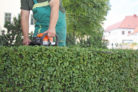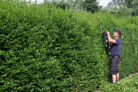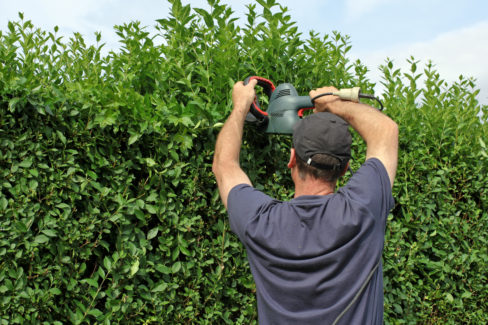
To keep your privet looking its best, you should aim to prune it at least twice a year. While that first spring trim is vital, the second cut in August is the real secret to keeping your hedge in perfect shape. Here’s how to handle it like a pro.
The Best Times to Prune Your Privet
When it comes to timing your privet pruning, there are three main windows to keep on your radar. Besides the August touch-up, you’ll want to think about:
- A major spring pruning, which might include a rejuvenation cut if you’re dealing with an older, leggy plant.
- An extra fall trim for young privets during their first few years to encourage dense growth.
The August Trim
Because privet puts out new growth twice a year and grows incredibly fast, that second trim in late summer isn’t just a good idea—it’s usually a must-do to keep things from getting wild.
August is All About Shaping
The main goal in August is maintenance. If you have a privet hedge, a light trim ensures it stays looking neat and uniform. Simply snip back any side branches or stray twigs that are poking out past your desired shape. Pro tip: Use a piece of string or a wooden stake as a guide to make sure your lines stay nice and straight. You can also take a little off the top if it’s getting too tall.
Getting Creative with Topiary
If you want to get fancy and give your privet a unique silhouette, wire frames or templates are your best friend. If you’re handy, you can even DIY your own! Just keep in mind that intricate shapes usually need more frequent “haircuts” throughout the season to stay sharp.
Save Some Berries for the Birds
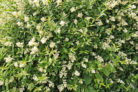
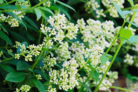
When you’re pruning in August, try not to clip off every single flower head or berry. While privet berries are toxic to us humans, they are a fantastic food source for local birds during the fall and winter months. Leaving a few behind is a great way to support your backyard wildlife.
Don’t Toss Those Clippings!
If your trimmings are long enough, you can actually use them for propagating your privet. Instead of tossing them in the green waste bin, try rooting them—it’s a free and easy way to grow brand-new plants for other parts of your yard!