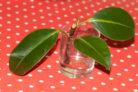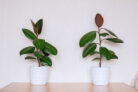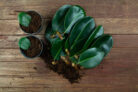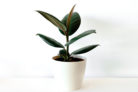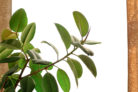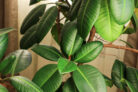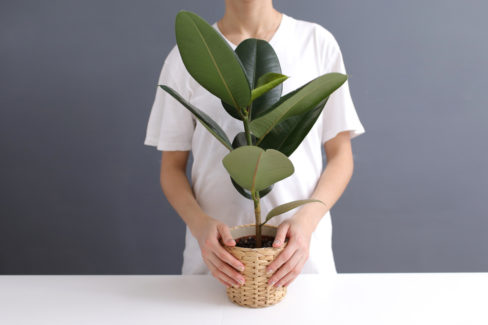
The Rubber Tree (botanical name *Ficus elastica*) is one of those rock-solid houseplants that just keeps on giving. It’s super low-maintenance, but did you know it’s also really easy to propagate? While there are a few ways to do it, “air layering” is one of the coolest techniques out there. Here’s everything you need to know to get started.
Air Layering
Air layering—sometimes called the wedge method—is a propagation trick perfect for plants with large, woody stems. Unlike taking simple cuttings, air layering essentially lets you turn one leggy plant into two full-sized ones. The goal here is to encourage a branch to grow roots while it’s still attached to the parent plant. It takes a bit of patience, but the results are totally worth it.
Beyond just making new plants, this is a fantastic way to rejuvenate an older Rubber Tree that’s lost its lower leaves. It’s even a popular technique in Bonsai culture to create unique, artistic shapes.
What You’ll Need
Before you start, grab these supplies:
- Fresh sphagnum moss (soaked well in water)
- A matchstick or a small sliver of wood to use as a wedge
- A sharp, sterilized knife
- A clean cloth or paper towel
- Rooting hormone powder
- Plastic wrap (Saran wrap works great)
- Twine or zip ties
Step-by-Step Guide
Ready to give it a shot? Just follow these steps:
- Pick a healthy, strong stem to work with.
- Find a spot about three or four leaves down from the tip and make a diagonal upward cut.
- Only cut about halfway through the stem—don’t go all the way through!
- Use your cloth to wipe away any of the milky sap that leaks out.
- Apply a little rooting hormone to the inside of the cut.
- Gently insert your matchstick or wood sliver into the cut to keep it open (this prevents the plant from simply healing itself back together).
- Wrap a big handful of that damp moss around the cut and the wedge.
- Wrap the moss tightly with plastic wrap to create a little “moisture bubble.”
- Secure the plastic wrap at the top and bottom with your twine or ties.
Now, the waiting game begins! In about six to ten weeks, you should see new roots growing inside the moss. Once you see a healthy root system, you can snip the stem off the mother plant just below the new roots. Pot your new Rubber Tree in a container with good drainage, find it a perfect sunny spot, and treat it just like the original plant.
Aftercare
While you’re waiting for those roots to sprout, keep caring for the mother plant as you normally would. The branch you’re layering doesn’t need any special attention, but you do want to make sure that moss stays damp. If it starts looking a little dry in there, you can use a syringe to inject a little water into the plastic wrap bundle to keep things humid.