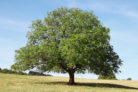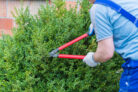
Generally speaking, your walnut tree is a pretty independent fellow and doesn’t need a regular haircut. In fact, you should try to avoid a radical pruning at all costs—it’s really only a “last resort” move for extreme situations.
Why you should avoid heavy pruning
Walnut trees are surprisingly sensitive. They react to pruning by “bleeding” sap heavily, and their wounds tend to heal very slowly. Since regular trimming is mostly just for aesthetics anyway, going overboard with a radical cut can do more harm than good.
When a radical cut is actually necessary
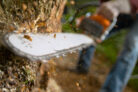
That being said, sometimes life happens, and a major chop is the only way to save the tree. You might find yourself reaching for the heavy-duty tools if you’re dealing with:
- Extremely awkward or dangerous growth patterns
- Severe storm damage
- A massive pest infestation or disease outbreak
Awkward Growth
If your walnut tree is starting to take over the neighborhood, you might have to step in. If branches are hanging over buildings, blocking the street, or interfering with traffic, safety comes first. Usually, keeping up with small, regular trims can prevent things from getting this out of hand!
Severe Storm Damage
If a nasty storm leaves your tree with broken or splintered limbs, you’ll need to clear away the damage to help the tree recover and keep your yard safe.
Pests and Disease
If your tree is struggling with a major disease or pest problem, a radical pruning might be the only way to stop the spread and save the tree’s life.
Timing is everything
If you absolutely must do a radical pruning, timing is key. Just like a standard trim, the best time to prune is late summer or early autumn—specifically between late August and mid-September. You definitely want to get it done before the first frost hits.
How to handle a radical pruning
If you’ve determined that a major cut is necessary, follow these steps to keep your tree as healthy as possible:
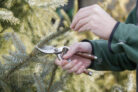
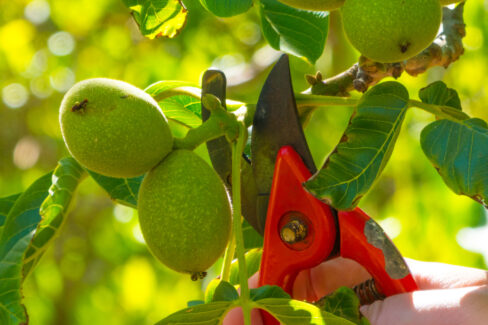
- Start with a test cut. Make a small snip first to check the sap pressure. If the tree starts bleeding sap excessively, wait a few more days. You don’t want to weaken the tree by letting it lose too much “blood.”
- Cut back the branches. Once you’re ready, trim the branches back, leaving just a few inches from the main trunk or structural limbs.
- Skip the wound dressing. It might be tempting to slather the cuts in wax or sealant, but don’t! Walnut trees actually heal better on their own. Trust the tree’s natural recovery process.