Generally speaking, your walnut tree doesn’t need a regular haircut to stay healthy. However, there are definitely times when a little pruning is necessary. The most important thing to remember is that timing is everything—getting it right prevents long-term damage and keeps your tree happy.
Early Fall: The Sweet Spot for Pruning
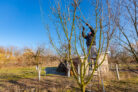
The absolute best time to prune your walnut tree is late summer or early fall—specifically from late August through mid-September.
Why is this the “golden window”? Here are a few reasons:
- The tree’s sap pressure is at its lowest.
- There’s plenty of time for wounds to heal before the first frost hits.
- It keeps you in the clear regarding local wildlife protection laws.
Understanding the “Bleeding” Process
Walnut trees are a bit sensitive when it comes to pruning. They react to cuts with a heavy flow of sap, often called “bleeding.” This is actually a natural defense mechanism designed to flush out the wound and keep it clean.
At certain times of the year, the internal pressure is so high that it might look like your tree is leaking uncontrollably. Don’t panic! This is totally normal. You should let the tree regulate itself; trying to stop or plug the sap flow isn’t just unnecessary—it’s actually impossible. Even if it drips for a few weeks, it will eventually stop on its own.
That said, sap pressure is highest during the peak summer months. By early fall, the tree is starting to settle down for its winter nap, meaning the sap flow is much more manageable. Pruning now means less mess and less stress for the tree.
Giving the Tree Time to Heal
Another big plus of pruning in early fall is the weather. You want to give those cuts enough time to seal up before the freezing temperatures arrive. Frost can interfere with the healing process and leave the door wide open for fungi or diseases to move in. By finishing your pruning before the first frost, you’re giving your tree a much better chance at a healthy recovery.
So, aim for that early fall window. You’ll protect the tree’s natural healing process and avoid any nasty infections down the road.
Keeping Wildlife in Mind
It’s also important to be a good neighbor to the local critters. Many regions have regulations (like the Federal Nature Conservation Act in Germany) that restrict major pruning between March 1st and September 30th. These rules are there to protect nesting birds and other wildlife living in our trees and hedges. While light maintenance is usually okay year-round, always double-check for nests before you start clipping to make sure you aren’t disturbing any feathered friends.
Why You Should Avoid Other Seasons
Try to avoid pruning in the spring or mid-summer. Because of that high sap pressure and the risk of frost damage later on, pruning during these times usually does more harm than good. Stick to the fall, and your walnut tree will thank you!