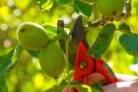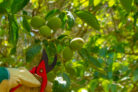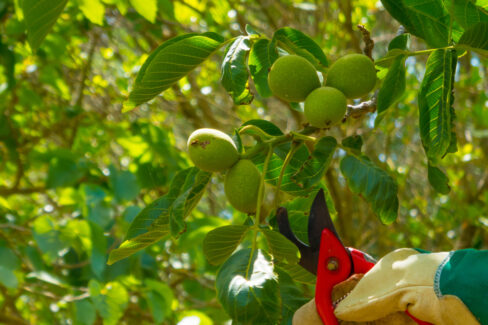
Generally speaking, your walnut tree doesn’t need a regular haircut to stay healthy. However, there are definitely times when grabbing the shears makes sense. While pruning isn’t “against the rules,” there are a few important guidelines you should follow to keep your tree happy and thriving.
Pruning is allowed, but keep it minimal
While pruning a walnut tree isn’t strictly necessary for its growth, you’re certainly allowed to do it. As long as you keep a few specific quirks of the species in mind, there’s nothing stopping you from giving your tree a little maintenance now and then.
Common mistakes to avoid when pruning
Even though you’re free to prune, walnut trees are a bit more sensitive than your average maple or oak. Here are the big “no-nos” to keep in mind:
- Avoid radical “hard” pruning whenever possible.
- Avoid pruning during the peak of summer or the dead of winter.
Steer clear of radical pruning
While it’s not technically forbidden, most experienced gardeners will tell you that radically cutting back a walnut tree is a bad idea. These trees are quite sensitive to large wounds. A heavy-handed chop can actually shorten the tree’s lifespan by making it vulnerable to rot. Save the radical cuts for absolute emergencies only!
Timing is everything: Skip summer and winter
You’ll want to avoid pruning when the weather is at its extremes. During the warm summer months, walnut trees have a very high sap flow (they “bleed” easily), which you want to avoid. On the flip side, you need to finish any pruning well before the first frost hits. Cold snaps can prevent wounds from healing properly, leaving the door wide open for pathogens or fungi to move in.
Keep local wildlife regulations in mind
Whenever you’re planning a project in the garden, it’s important to stay mindful of local conservation laws. In many areas, heavy pruning or tree removal is restricted during the spring and summer (typically March through September). This is to protect nesting birds and other wildlife that call your tree home. Breaking these rules can sometimes result in pretty hefty fines!
While light maintenance—like snipping off a stray twig here or there—is usually fine year-round, always double-check for active nests first. The well-being of our backyard critters should always come first. After all, your walnut tree isn’t just a nesting site; it’s also a major “snack station” for local wildlife once those nuts start falling in the autumn!