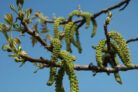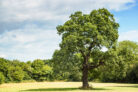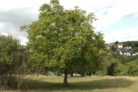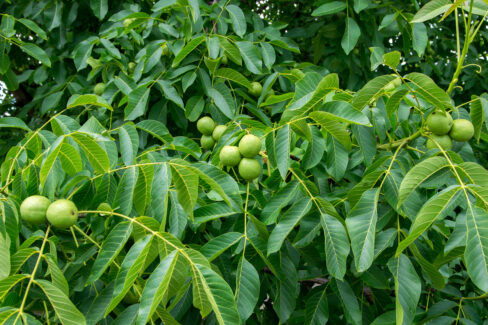
The walnut tree is a bit of a “late riser” in the spring and an “early bird” when it comes to clocking out for autumn. This means your tree might spend a good chunk of the year looking completely bare. If you’re staring at a skeleton of a tree while everything else in your yard is lush and green, don’t panic! It’s actually a totally natural survival strategy.
The Long “Bald” Phase of the Walnut Tree
It’s true: walnut trees spend a surprisingly long time without a single leaf on their branches. While it might look a little sad compared to your other plants, there’s no need to worry. This long leafless stretch happens because:
- They drop their old leaves very early in the fall.
- They take their sweet time growing new ones in the spring.
This creates a much longer “dormant look” than you’ll see with almost any other nut tree. But remember, leaves are the tree’s lifeblood, so it definitely *wants* to grow them! Usually, all you need is a little bit of patience.
Early Leaf Drop in Autumn
Walnut trees aren’t evergreens; they start shedding their canopy quite early in the fall. In many cases, those leaves only hang around for about five months. By September or October, they quickly turn yellow or brown and drop off before you even have time to get your rake out.
Late Bloomers in the Spring
Just as they’re quick to say goodbye to their leaves in the fall, they’re very slow to welcome them back in the spring. It’s not uncommon to see a walnut tree standing completely bare well into May. Again, this is a totally natural phenomenon and definitely not a sign that your tree is in trouble.
Why the Long Wait?
So, why the hold-up? It all comes down to one thing: frost sensitivity. Walnut trees are incredibly protective of their foliage. By waiting until the weather is consistently warm to sprout, the tree protects itself from frost damage, which could otherwise cause some pretty serious long-term harm to the tree’s health.
What New Growth Looks Like
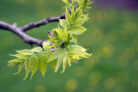
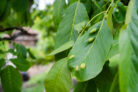
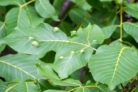
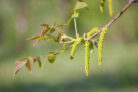
When the tree finally decides it’s safe to wake up, you’ll notice the new leaves actually have a reddish tint at first. Don’t worry—they aren’t sick! They’ll transition into that classic, vibrant green soon enough, eventually shifting back to those golden-brown autumn tones before the cycle starts all over again.