Once a walnut tree drops its leaves in the fall, it spends the entire winter looking pretty bare and skeletal. But don’t let that dormant look fool you! There’s actually a lot going on with these trees during the cold months. Here’s a look at what makes the walnut tree unique during the winter season.
What a Walnut Tree Looks Like in Winter
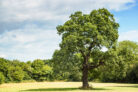
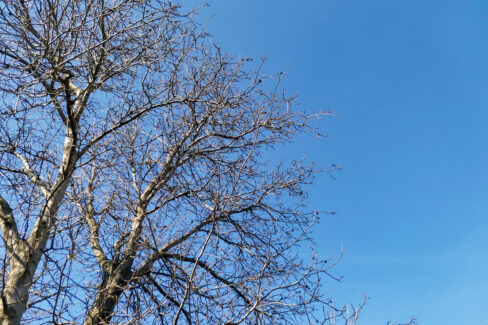
During the winter, walnut trees have a very distinct look. You’ll notice two main things:
- They are completely bare without a single leaf in sight.
- Their bark often takes on a striking silvery or white hue.
The Bare Look of the Walnut Tree
The reason walnut trees look so naked in the winter is that they are early birds when it comes to shedding. They usually drop their leaves in the fall well before other fruit trees in the garden. They’re also a bit of a “late sleeper” in the spring, as the new leaf buds don’t typically open until later in the season. This means your walnut tree spends a good chunk of the year without any foliage at all.
Changing Bark Color
Have you ever noticed your walnut tree glowing in the winter sun? That’s because the bark turns a beautiful silvery-white color. It’s a totally natural phenomenon and has nothing to do with frost or snow—it’s just the tree showing off its winter wardrobe!
Flower Buds Form in the Winter
Even though a walnut tree might look a bit lifeless during a blizzard, there’s actually a lot of activity happening under the surface. The tree starts developing its new flower buds for the coming spring right in the middle of winter. If we have a particularly long or brutal winter, you might notice the tree blooming a bit later than usual, sometimes even waiting until early summer.
Sensitivity to Frost
Since walnut trees originally hail from warmer climates in the Mediterranean and Asia, they aren’t naturally built for extreme deep freezes. This makes young trees especially prone to frost damage.
If you have a young tree, you’ll want to give it some extra TLC. For walnut trees grown in pots or as bonsai, it’s best to move them into a frost-free room for the winter. For trees planted in the ground, wrapping them in garden fleece and applying a thick layer of mulch around the base can go a long way in keeping them cozy.
Winter Care Tips for Your Walnut Tree
Don’t put the watering can away just yet! Even in winter, young walnut trees need a little drink now and then. You never want the root ball to dry out completely. However, be careful not to overdo it—standing water or soggy soil is a recipe for root rot and mold. The goal is to keep the soil slightly moist but never waterlogged.