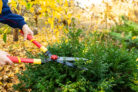
Several times a year, your boxwood sends out a clear message: “Give me a trim!” If you skip those regular haircuts for too long, your once-tidy shrub starts looking pretty shaggy. Eventually, a light trim won’t cut it anymore. You’ll need to go deeper—but you have to do it right. Here is how to handle a radical pruning.
The Problem with Uncut Boxwoods
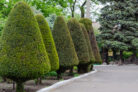
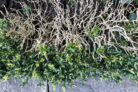
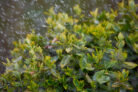
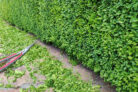
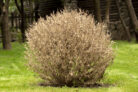
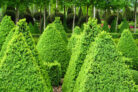
Boxwoods are at their best when they grow thick and bushy. That dense branching is what keeps the foliage looking lush and green and allows you to sculpt them into those classic shapes. If you neglect pruning, it’ll come back to haunt you. Even if it looks okay on the outside, thinning and browning often start deep inside the plant. Eventually, the branches sprawl out like old brooms, and gaps appear in the canopy. Since boxwoods are famous for being slow growers, a hard prune isn’t a quick fix. It’s always better to prevent the problem by giving your boxwood a trim at least once a year.
When to Go for the Big Cut
If your boxwood has become so leggy that a radical cut is your only option, timing is everything. You’ll want to do this heavy pruning a bit earlier in the season than your typical light shaping.
- Aim for late March to early April.
- Make sure there isn’t a hard freeze in the forecast.
- Avoid pruning in the rain.
- Stay away from direct, scorching sun.
- A cloudy, overcast day is actually perfect.
Pro Tip:
Pruning early and aggressively can also help get ahead of the box tree moth by removing eggs laid the previous fall. It’s also a smart move if you’re worried about the dreaded boxwood blight.
Tips for a Successful Radical Prune
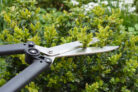
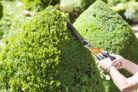
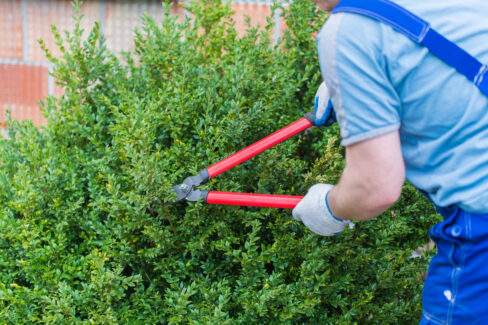
While boxwoods *can* grow back from old wood, they take their sweet time doing it. Only remove as much as absolutely necessary. Try to avoid cutting it all the way down to the stump, or you might be waiting years for it to look like a bush again. A good rule of thumb is to remove no more than one-third of the canopy. Always use clean, sharp shears to prevent spreading disease. Once you’re done, give your boxwood some love with an organic fertilizer and make sure to water it well.
Quick Tip:
Boxwoods hate drying out. Since a heavy prune exposes the root area to more sunlight, it’s a great idea to apply some bark mulch or other organic material. This helps keep the moisture in the ground where it belongs.