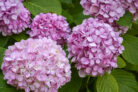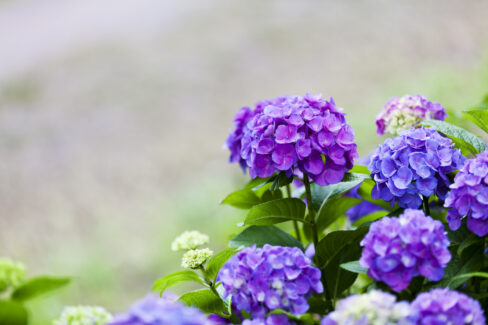
We all love that deep, vibrant pop of color that hydrangeas bring to a garden. But here’s the thing: your Hydrangea doesn’t always show up to the party in those stunning shades automatically. Sometimes, they need a little nudge from you to get that perfect look. If you’re dreaming of moody purple blooms, here is everything you need to know to make it happen.
The Secret to Getting Purple Blooms
First things first, hydrangeas are big fans of acidic soil. Specifically, they thrive when the pH level is sitting right between 4.0 and 4.5. Most standard garden soil isn’t naturally that acidic, so you’ll likely need to prep the area. Your best bet is to mix in some specialized hydrangea soil, or even soil designed for rhododendrons or azaleas. You can also tweak the pH by using specific fertilizers to create that slightly acidic environment.
Why does the acidity matter? Well, when the soil is acidic, the hydrangea is able to soak up aluminum from the ground. This aluminum is the “magic ingredient” for blue flowers. To get that perfect purple/lilac shade, you’ll want to add aluminum sulfate to the soil. I recommend using a low-phosphorus fertilizer that’s high in potassium to help the process along.
Quick Tips for Success:
- Mix in some leaf compost to help keep the soil acidic.
- Plant your hydrangeas in specialized hydrangea, rhododendron, or azalea potting mix.
- Avoid planting them in chalky or lime-heavy soil.
- Skip the tap water if it’s “hard” (high in lime); stick to rainwater or filtered water instead.
How to Turn Purple Hydrangeas Back to Pink
Maybe you’ve changed your mind and want to go back to a soft pink? It’s totally doable! All you have to do is shift the soil pH back toward the alkaline side. The easiest way to do this is by adding lime to the soil. You can also switch to a standard flower fertilizer—these usually contain phosphorus, which blocks the aluminum uptake and coaxes those dark purple petals back toward pink.
Just a heads-up: changing your hydrangea’s color isn’t an overnight project. You’ve got to be patient with your plants! It usually takes about two years for the full color transition to complete. The cool part? During that middle phase of the blooming season, you’ll often see gorgeous multi-colored or two-toned petals. It’s a pretty unique look that’s a beauty in its own right!