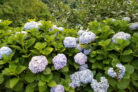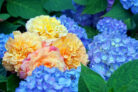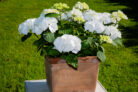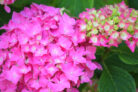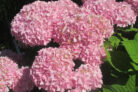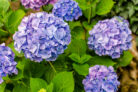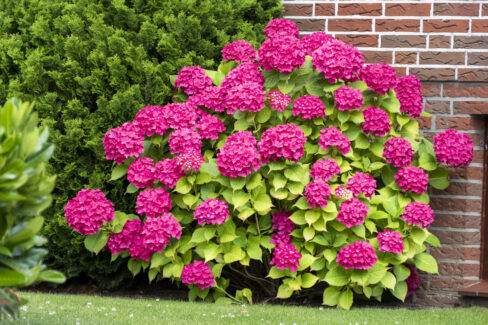
Whether your hydrangeas show off soft pink petals or a deep, vibrant red actually depends a lot on your soil. The cool thing is, with a little bit of know-how, you can actually nudge your hydrangeas toward those rich red tones yourself. Here’s the scoop on how soil chemistry works and what you need to do to keep your hydrangeas looking their best.
How Soil Affects Your Bloom Color
If you want your hydrangeas to ditch the pale pink for a bold red, it all comes down to the pH level of your soil. When the soil is acidic, you’ll see those moody blues and purples. But if you’re dreaming of red blooms, you’re looking for more alkaline (or “basic”) soil. Even if you’ve bought a variety specifically bred to be red, you still have to make sure the soil is playing along to get the best results.
Ideally, for red flowers, you want a pH level of about 6.0 or even a bit higher. The easiest way to get there? Add some garden lime to your hydrangea’s spot. You can simply spread the lime around the base of the plant during the growing season. Just a heads-up: don’t fly blind! Grab a simple pH test kit from your local garden center to make sure you aren’t overdoing it.
How to Shift Red Blooms Back to Pink
Maybe you’ve decided you actually prefer a soft pink look. No problem! To shift the color back, just stop adding lime and let the soil become more acidic again. You can speed this up by adding organic matter like well-aged compost or a layer of pine bark mulch. Some gardeners even swear by adding a splash of vinegar to their watering can.
Here are a few ways to lower that pH for more acidic soil:
- Swap out some soil for a specialized hydrangea potting mix
- Mix in leaf mold or mature compost
- Add a little vinegar to your water
Keep in mind, this isn’t an overnight transformation. It usually takes about two years for a hydrangea to fully transition from one end of the color spectrum to the other. During that time, you’ll get to enjoy some really cool “in-between” shades, and your hydrangea might even show off two different colors during its blooming season. It’s a pretty unique look that many gardeners actually love!