There’s nothing quite like the sight of a hydrangea in full bloom, with those massive flower heads and lush green leaves. But to keep that show going, these plants need a lot of fuel—specifically, plenty of nutrients and a whole lot of water. That’s why getting your soil right from the start is so important. Here’s the lowdown on what your hydrangeas really need to thrive.
What Makes the Perfect Hydrangea Soil?
The golden rule for hydrangeas is well-draining soil. You want a spot that stays moist but doesn’t turn into a swamp. While hydrangeas (fittingly named *Hydrangea* for their love of water) are thirsty plants, they hate having “wet feet.” If they sit in standing water for too long, the roots will start to rot. If you’re worried your planting spot doesn’t drain well, try adding a drainage layer of gravel or sand at the bottom of the hole.
Here’s what your hydrangeas are looking for in a home:
- Soil rich in organic matter (humus) or loamy soil
- Specialized rhododendron or azalea potting mix
- Avoid soil with high lime content
- Top things off with a layer of bark mulch to lock in moisture
Don’t forget that those big blooms require a lot of energy. Make sure your soil is nutrient-rich, and give your plants a boost by fertilizing during the warmer growing months. Just be careful not to overdo it—too much fertilizer can actually stunt those beautiful blossoms instead of helping them.
Using Your Soil to Change Bloom Colors
Did you know you can actually play chemist with your garden? The pH level of your soil is a big deal for hydrangeas. You can easily check yours with a quick soil test kit. Generally, these plants love a pH between 4 and 5, but you’ve got some room to experiment. By tweaking the soil acidity, you can actually change the color of the flowers on many varieties.
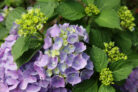
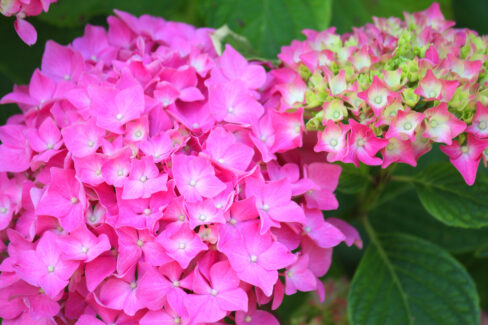
In alkaline soil (higher pH), many popular hydrangeas will turn pink. However, if you keep the soil acidic (lower pH), your hydrangea blooms will shift toward blue or purple. You can steer the color yourself by adding specific fertilizers or mixing in specialized soil to hit that perfect pH sweet spot.