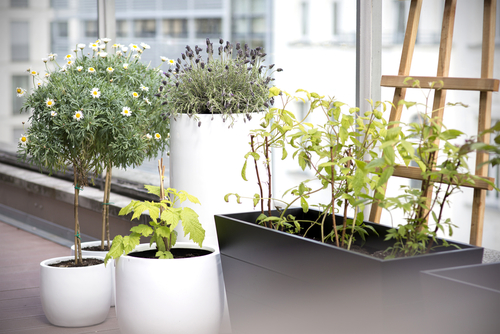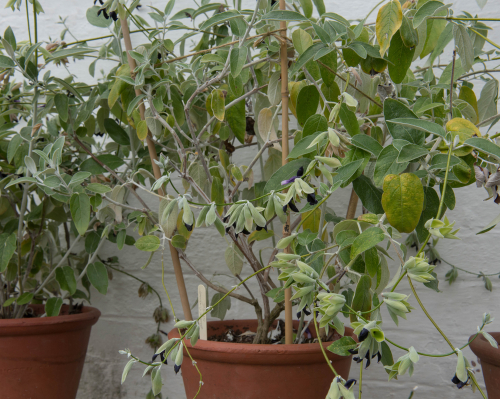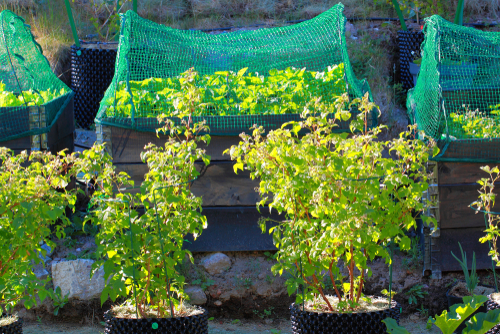
Not everyone is lucky enough to have a massive backyard—or even a yard at all! But honestly, that shouldn’t stop you from enjoying the taste of homegrown fruit. Plenty of varieties do just fine in containers, and raspberries on the balcony are a perfect example of how you can grow your own snacks in a small space.
Why Container Raspberries are a Total Game Changer
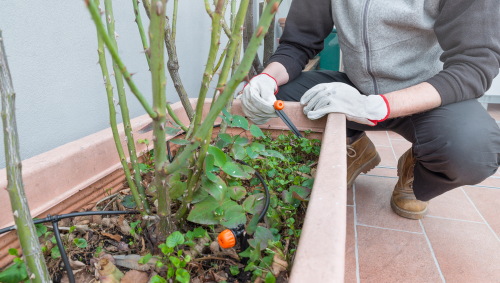
Even though we usually think of raspberries as big, sprawling shrubs, certain varieties actually thrive in pots. Growing them this way even has a few hidden perks! For one, you don’t have to worry about them taking over your entire garden. Raspberries are notorious for spreading like wildfire through underground runners, but a pot acts as a natural root barrier, keeping them exactly where you want them.
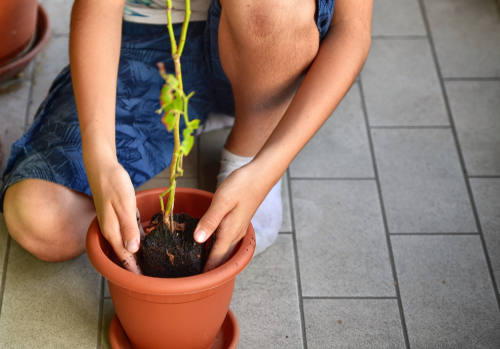
The secret to success is picking a container that’s big enough. You’ll want to start with something that holds at least 2.5 to 3 gallons (about 10 liters). As your bush grows, you’ll likely want to upgrade to a 6 or 7-gallon pot to give those roots plenty of room to breathe.
Planting and Caring for Your Potted Raspberries
Once you’ve picked out a good-sized pot, check the bottom for drainage holes. This is non-negotiable! Raspberry roots hate sitting in soggy soil—it’s a one-way ticket to root rot. If your pot doesn’t have holes, grab a drill and make some, ensuring they’re large enough for water to flow out freely.
Next, fill your pot with high-quality potting soil or a compost-rich garden mix. You can even find specialized berry soil at most garden centers. When you’re ready to plant, don’t bury the shrub too deep, and give it a nice, long drink of water right away.
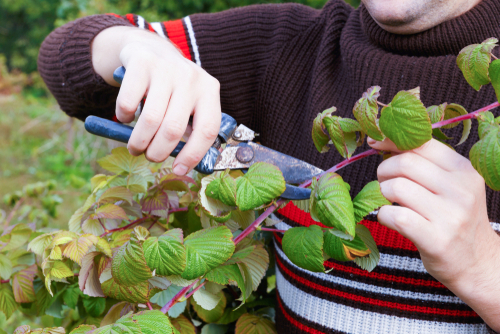
To keep your berries happy and productive, you’ll want to fertilize them twice a year and repot them every few years. Since potted plants can’t reach deep into the ground for moisture like garden-grown ones can, regular watering is key. Depending on which variety you have, you’ll also want to give them a good prune in either the summer or fall.
Winterizing Your Potted Raspberries
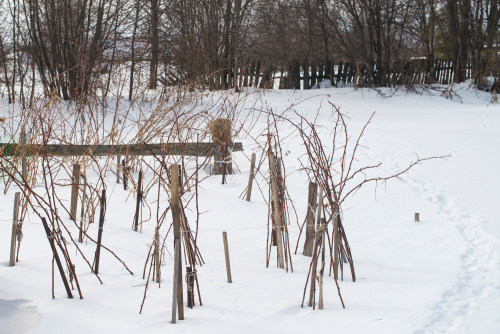
When raspberries are planted in the ground, they’re pretty tough and can handle the cold on their own. However, container plants are a bit more vulnerable because the soil in a pot freezes much faster, which can put the roots at risk.
To make sure your berries bounce back in the spring, give them a good prune and try these winter-protection tips:
- Wrap the pot in bubble wrap or burlap for insulation.
- Place the pot on a wooden pallet or a piece of styrofoam to keep it off the freezing ground.
- Move it against a sheltered wall of your house to block the wind.
- Don’t forget to give them a little water occasionally so the roots don’t completely dry out.