title: Overwintering Raspberries: Do They Need Extra Protection?
Raspberries are naturally hardy plants that handle chilly winters like pros. For the most part, they don’t need any special winter gear to survive the frost. However, if you’re growing your raspberries in pots or if you just put some new canes in the ground this season, you’ll want to take a few extra steps to keep them cozy.
Overwintering Raspberries in the Garden
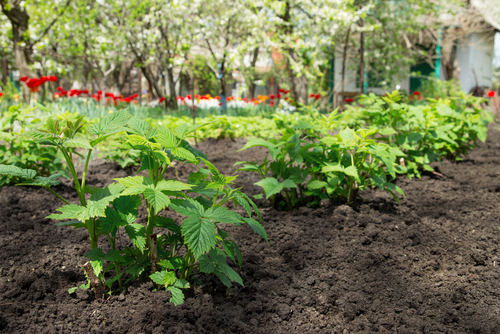
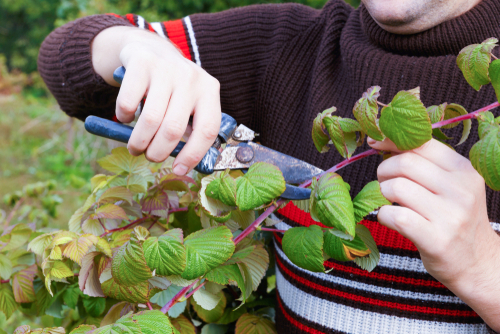
As I mentioned, established raspberry bushes in your garden beds are pretty tough. Since their roots are tucked deep into the soil, they stay well-protected from the freezing air. Plus, since many varieties get pruned back in the fall or right after harvest, there isn’t much foliage left above ground for the winter weather to damage anyway.
Overwintering Potted Raspberries
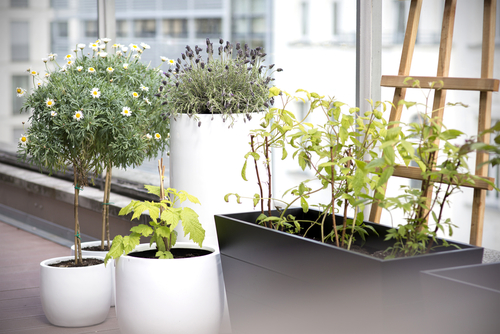
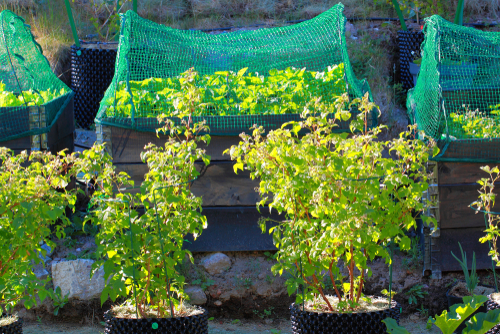
If you’re growing raspberries in containers on your balcony or patio, they’ll need a little more TLC. Because the roots are in a pot rather than the ground, they lack that natural insulation and can freeze much faster. To make sure your potted raspberries bounce back in the spring, try these simple tips:
- Move the pot to a spot sheltered from the wind, like right up against the side of the house.
- Wrap the container in bubble wrap, burlap, or a similar insulating material.
- Place the pot on a sheet of Styrofoam or a wooden pallet to keep it off the freezing ground.
- Don’t forget to give them a little water on days when the ground isn’t frozen!
Protecting Newly Planted Raspberries
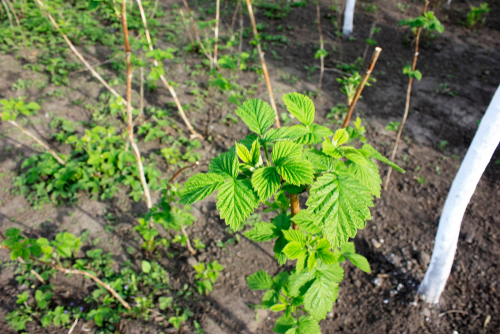
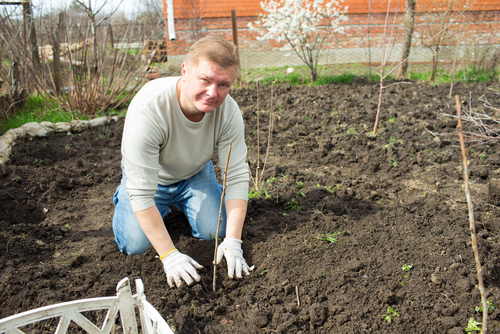
If you just added some new raspberry plants to your garden this fall, it’s a good idea to give them a “safety blanket” for their first winter. You can protect the young roots by applying a thick layer of mulch using pine branches, straw, or garden fleece. You can also use fallen leaves for mulching, which has the added bonus of releasing nutrients back into the soil as they break down.