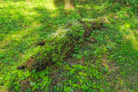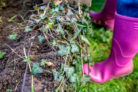
English ivy grows like crazy, doesn’t it? Before you know it, those vines are taking over everything, and it’s time to break out the pruning shears. But once you’ve finished your “snip-snip” session, you’re left with a mountain of green. While the compost pile is usually the go-to for garden waste, ivy is a bit of a troublemaker in that department.
Sick plants belong in the trash
If you’re pruning your ivy because it’s dealing with diseases or pests, do yourself a favor and toss those clippings straight into the regular trash. You don’t want to risk infecting the rest of your garden. Fungal spores, in particular, are tough cookies and can survive a long time in a compost pile.
Can “healthy” clippings go in the compost?
Even if you’re just doing your annual trim or completely removing a healthy plant, the compost bin isn’t always the best spot. Ivy is a survivor; those vine segments with aerial roots can actually start growing again right in the pile! Plus, if the ivy has reached its mature stage and produced berries, those seeds can sprout later on when you spread your finished compost as fertilizer.
- Only compost small amounts at a time
- Never include vines with berries/seeds
- Only compost vines without aerial roots
Pro Tip:
If you have vines with aerial roots, let them dry out completely in the sun before tossing them in the bin to lower the risk of them regrowing. Covering them with a thick layer of other green waste also helps.
Dealing with large amounts of waste
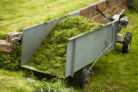
If you’ve got a massive haul of ivy, your best bet is the green waste bin (curbside organics) or a trip to the local yard waste recycling center. You can also use your regular trash bin if needed. The main thing is to get rid of it quickly. You don’t want it sitting around long enough to take root in a corner of the yard, and you definitely want it away from curious kids or pets. Remember, ivy is highly toxic if ingested!
Turn those clippings into new plants
If your clippings are healthy, why not try propagating them? It’s super easy to make new starts by taking cuttings and tucking them into some loose soil. Ivy is incredibly versatile—you can let it climb a trellis, use it as a lush groundcover, grow it in a pot on the patio, or even keep it as a houseplant year-round.