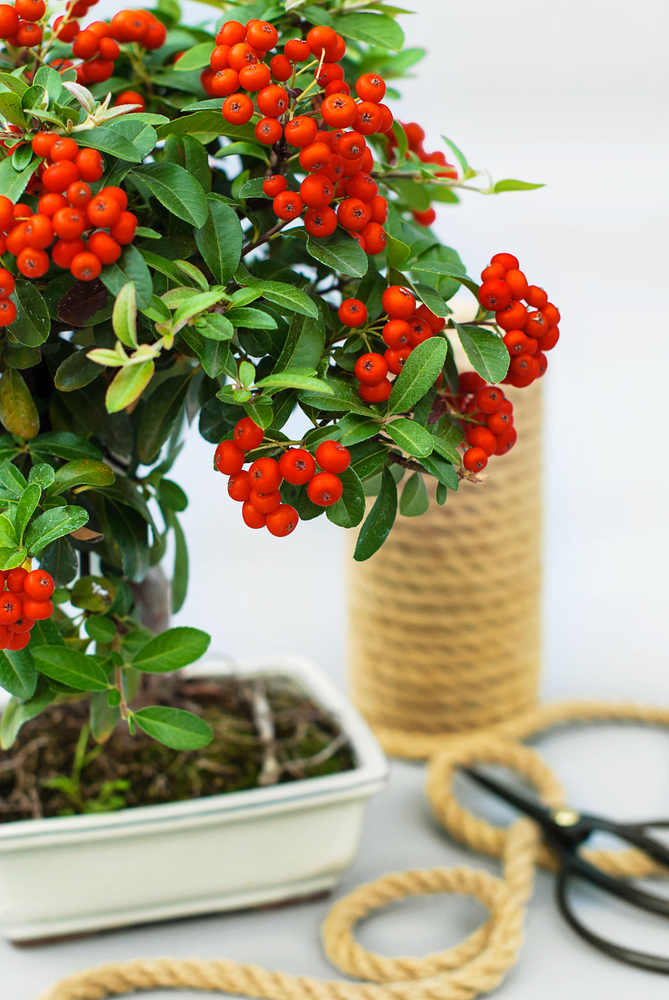
The Mountain Ash (also known as the Rowan tree) makes a fantastic candidate for bonsai! If you’ve got a bit of experience and some patience, you can turn this hardy tree into a miniature masterpiece. The key is picking the right species and waiting until the tree has reached the right age and trunk thickness before you start shaping it.
The Best Mountain Ash Species for Bonsai
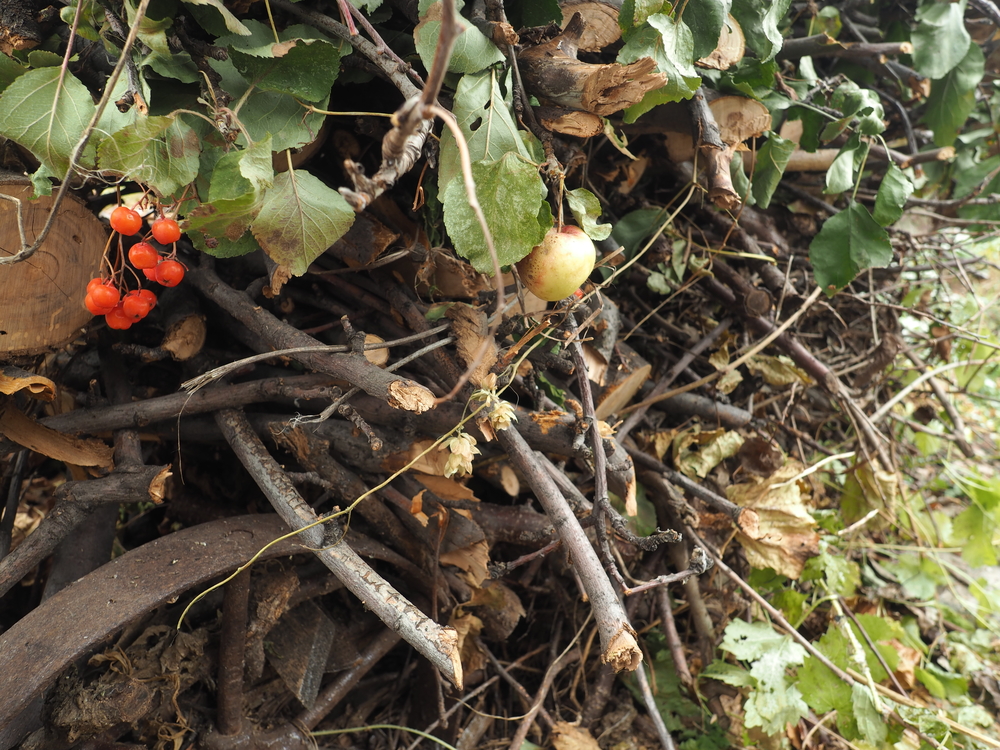
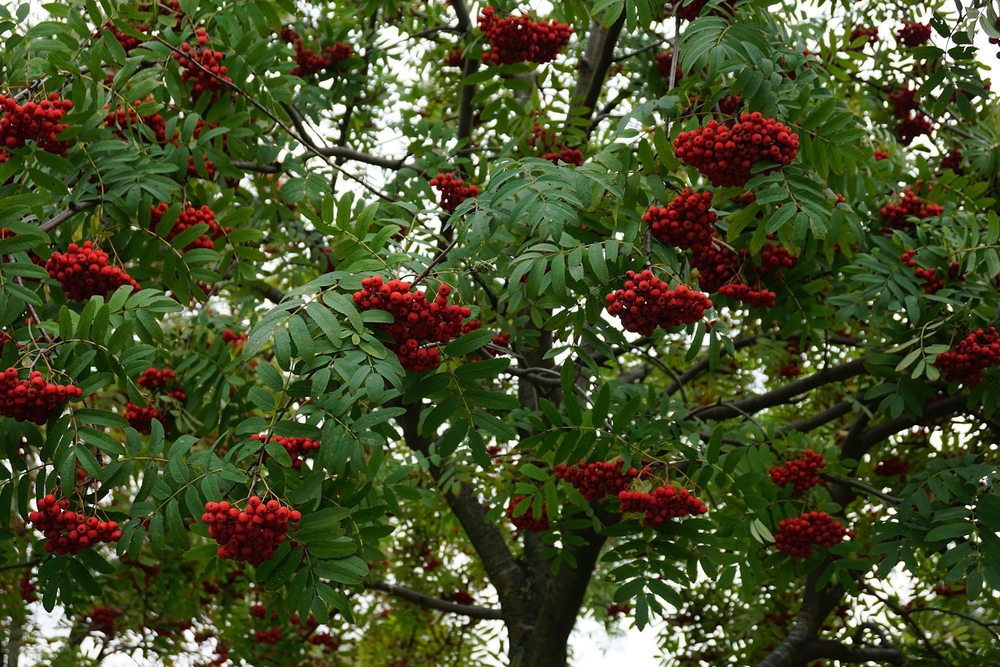
Mountain Ash trees are stunning year-round. In the spring, they’re covered in delicate white blossoms, and by late summer, they produce those iconic berries that come in various shades depending on the variety. These fruits often hang on well into winter, providing a vital snack for local birds.
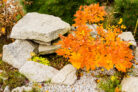
Many Mountain Ash species also put on a spectacular show of fall colors. When it comes to bonsai, *Sorbus aucuparia* (European Mountain Ash) and *Sorbus intermedia* (Swedish Whitebeam) are your best bets. You’re looking for a specimen with an upright, slender growth habit and dense foliage. While training them isn’t the easiest project for a total beginner, it’s very rewarding with a little practice. You can achieve almost any classic bonsai style with a Rowan, including:
- Cascade (Kengai)
- Semi-cascade (Han-kengai)
- Formal Upright (Chokkan)
- Informal Upright (Moyogi)
- Broom style (Hokidachi)
What You Need to Know Before You Start
For the first few years, let your sapling grow in regular garden soil in a flower bed rather than a pot. You need the trunk to reach a certain thickness—aim for a height of at least 20 inches (50 cm) before you even think about moving it to a bonsai tray. If the tree is too small, those long, pinnate leaves will make it look more like a tiny palm tree than a majestic Mountain Ash!
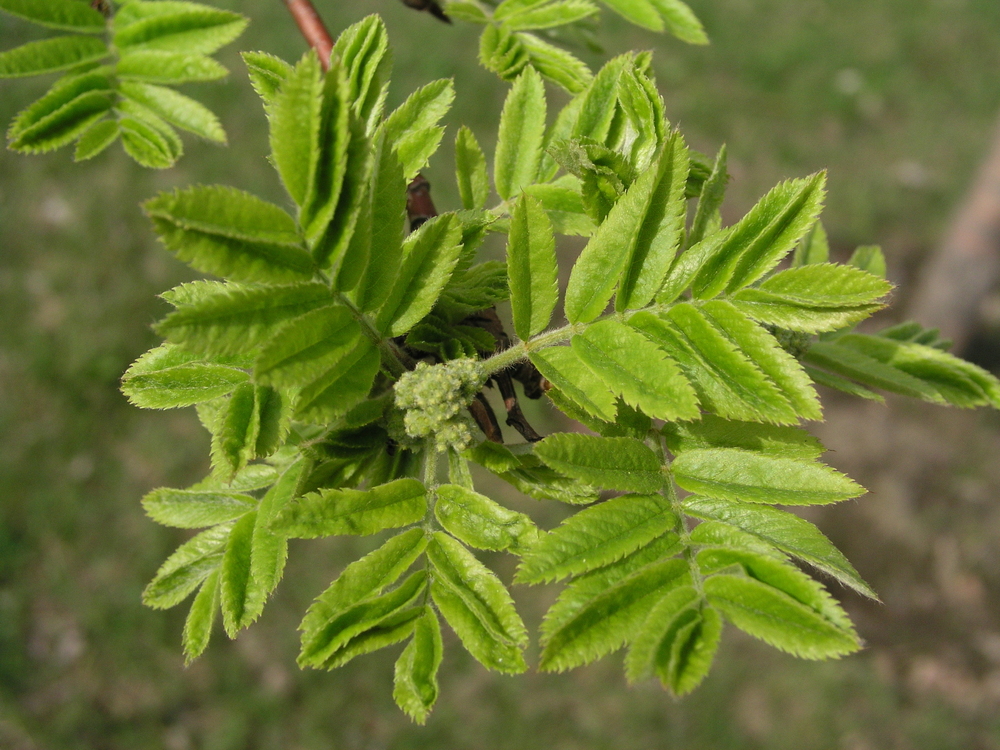
A single leaf can grow up to 8 inches long and 4 inches wide, usually consisting of 9 to 19 leaflets. These leaflets are a beautiful dark green on top and a lighter shade underneath, and they look great when integrated into your design. To get that perfect shape, you might need to use some bonsai wire. Just a pro-tip: avoid wiring any branches that are less than two years old, as they’re still too delicate.