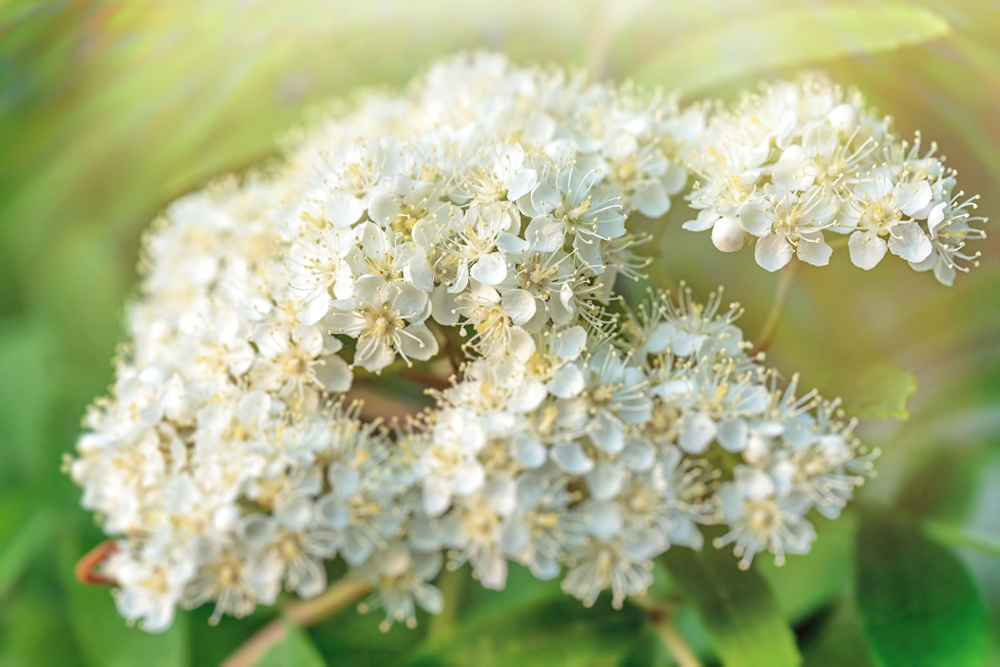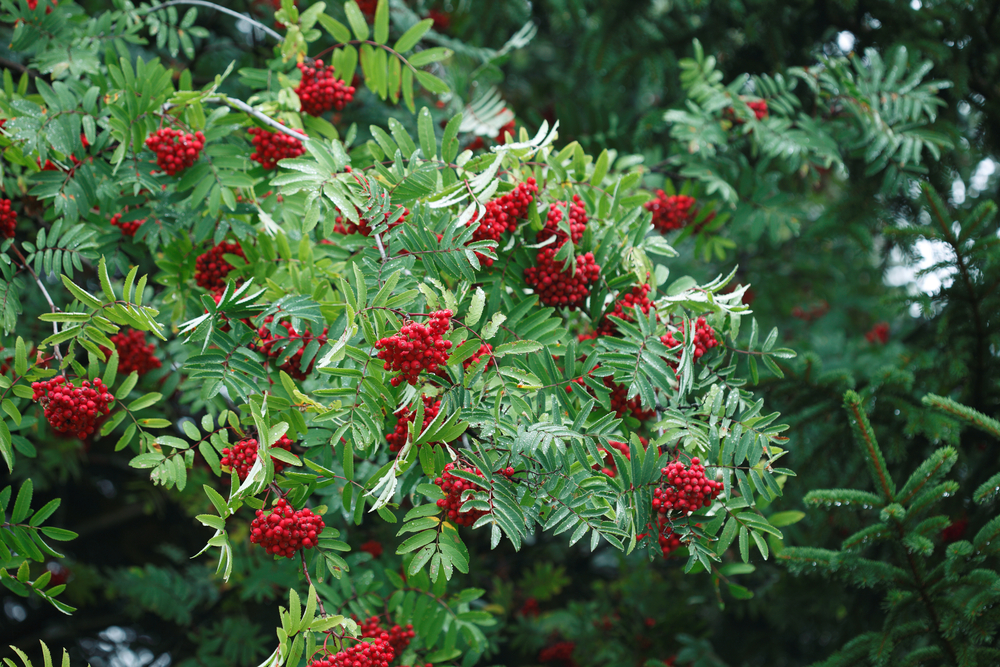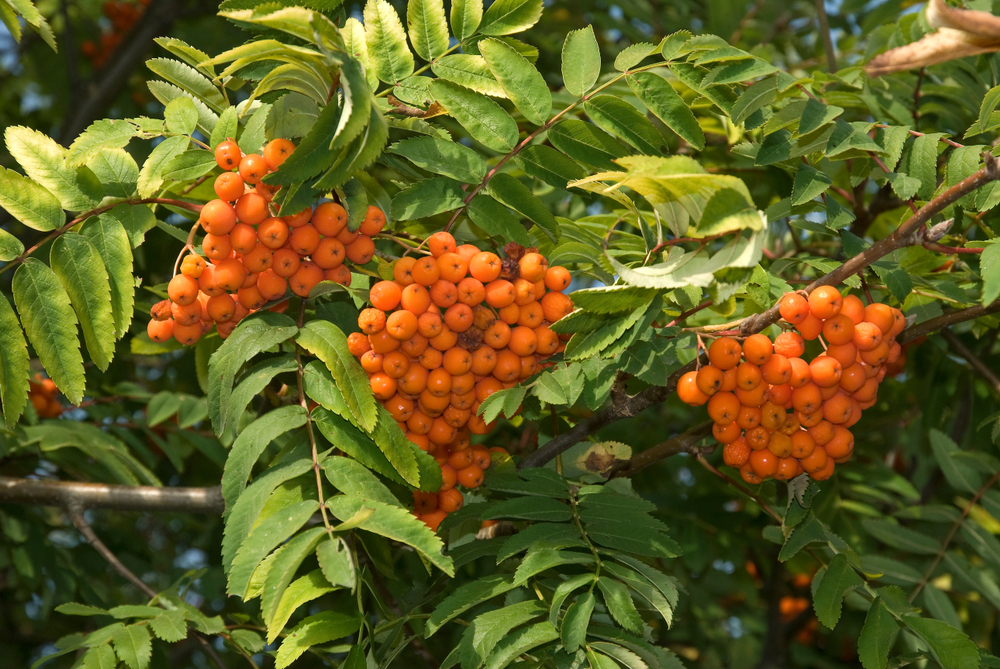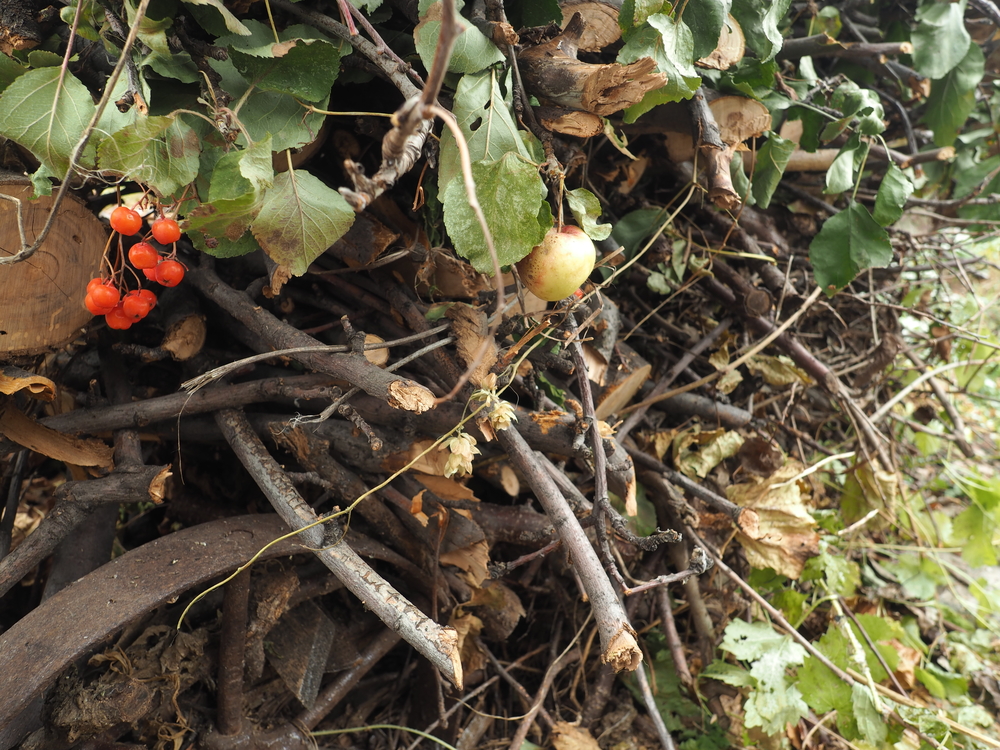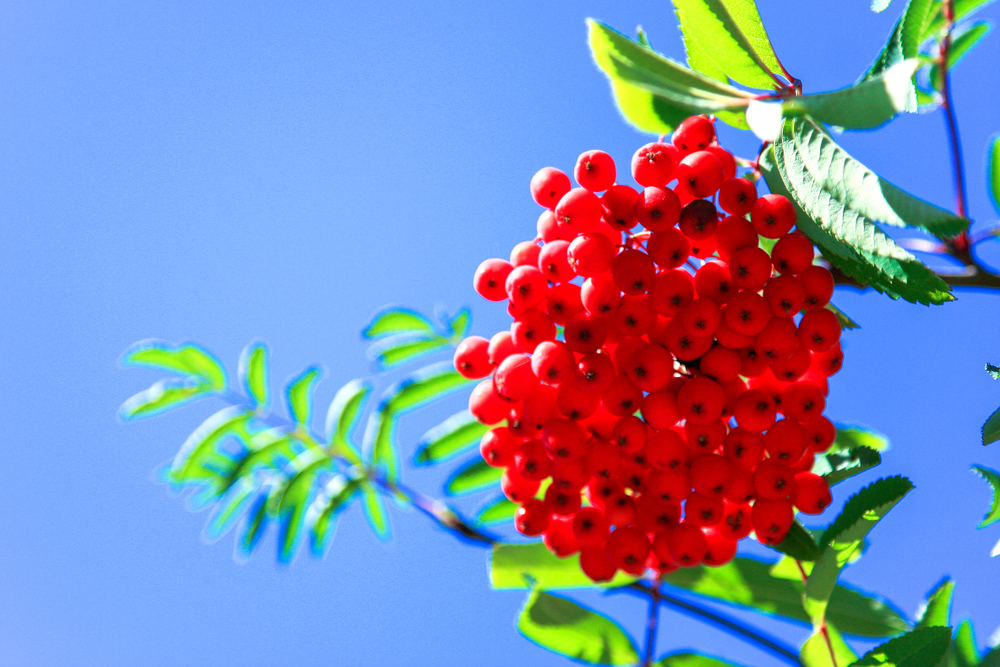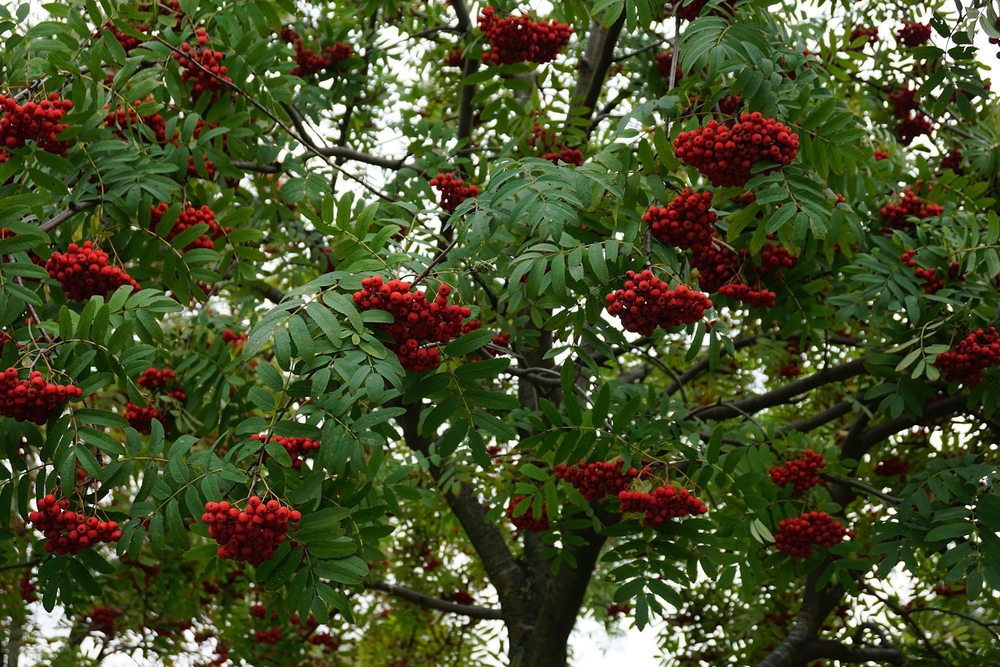
The Common Mountain Ash, also known as the Rowan tree, is a beautiful member of the Rose family. You’ll spot these beauties just about everywhere—from backyard gardens and local parks to wild forest edges and roadsides. They’re most famous for those stunning, bright orange clusters of berries that really pop against the green foliage.
The Story Behind the Name
The scientific name for the Mountain Ash is *Sorbus aucuparia*. The “Sorbus” part links it to the Whitebeam genus, while “aucuparia” comes from the Latin words *avis* (bird) and *capere* (to catch). While many people assume the name “Rowan” or “Birdberry” comes from the fact that birds love to snack on the fruit, the history is a bit darker—back in the day, these berries were actually used as bait to trap birds!
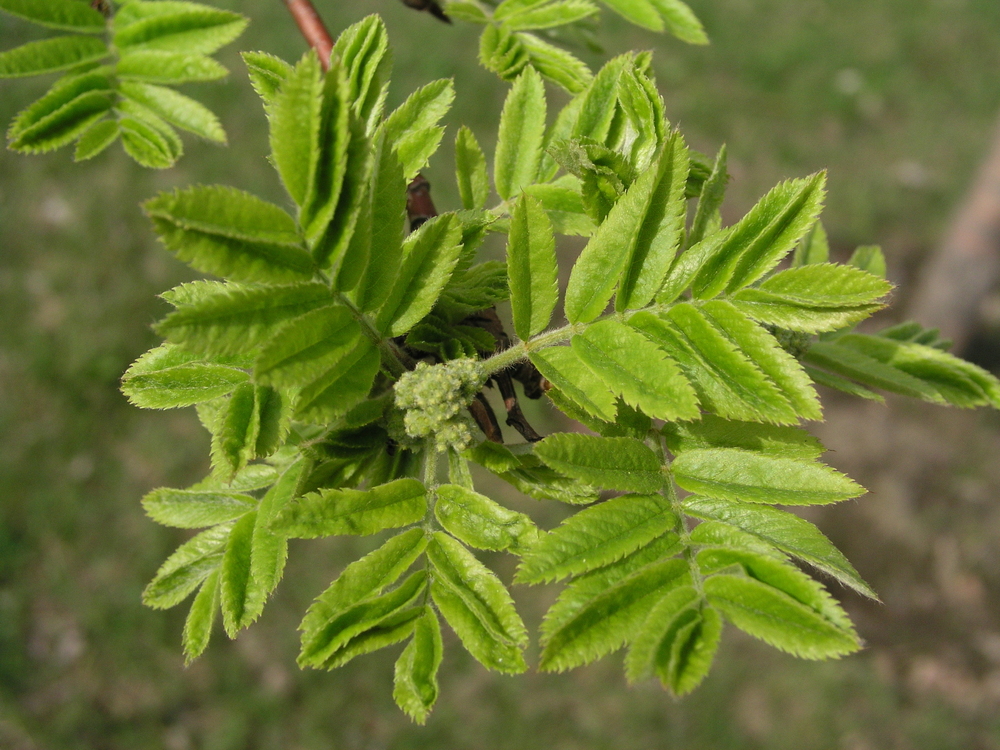
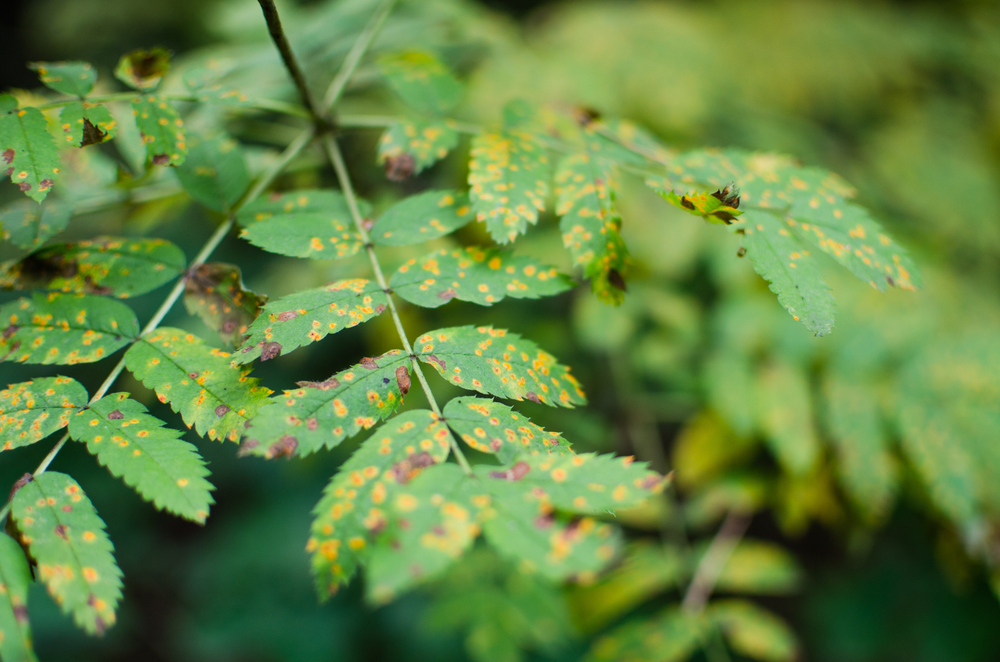
Interestingly, the Mountain Ash isn’t actually a true Ash tree at all. It earned the name because its feathery, pinnate leaves look almost identical to those of a real Ash. In many regions, it’s the only other tree with this specific leaf shape, which led to the name (and likely a fair share of local folklore). While people often call it a “Birdberry” tree, that’s more of a nickname than a formal botanical term.
Growth Habit and Those Famous Berries
If you’re thinking of planting one, keep in mind that Mountain Ashes can get quite tall! They typically reach about 50 feet, though some impressive specimens have been known to hit 65 feet. Their delicate-looking leaves grow to about 6 inches long. These trees are also pretty hardy, usually living around 80 years, with some reaching the century mark.
Now, let’s clear up a big myth: are the berries poisonous? The short answer is no, but there’s a catch. They are actually packed with healthy Vitamin C, but raw berries contain parasorbic acid, which makes them incredibly bitter. Eating them straight off the branch can cause an upset stomach, nausea, or cramps. However, once you cook them or ferment them (like in a liqueur), that acid breaks down, making them perfectly safe and delicious to enjoy.
Because the berries cling to the branches well into the winter, they are a vital food source for local birds. If you’re a home harvester, you can even pick them after the first frost for certain recipes. However, if you’re looking to make a traditional Rowanberry brandy, most experts prefer berries that haven’t been hit by the frost yet to maintain the best flavor profile.