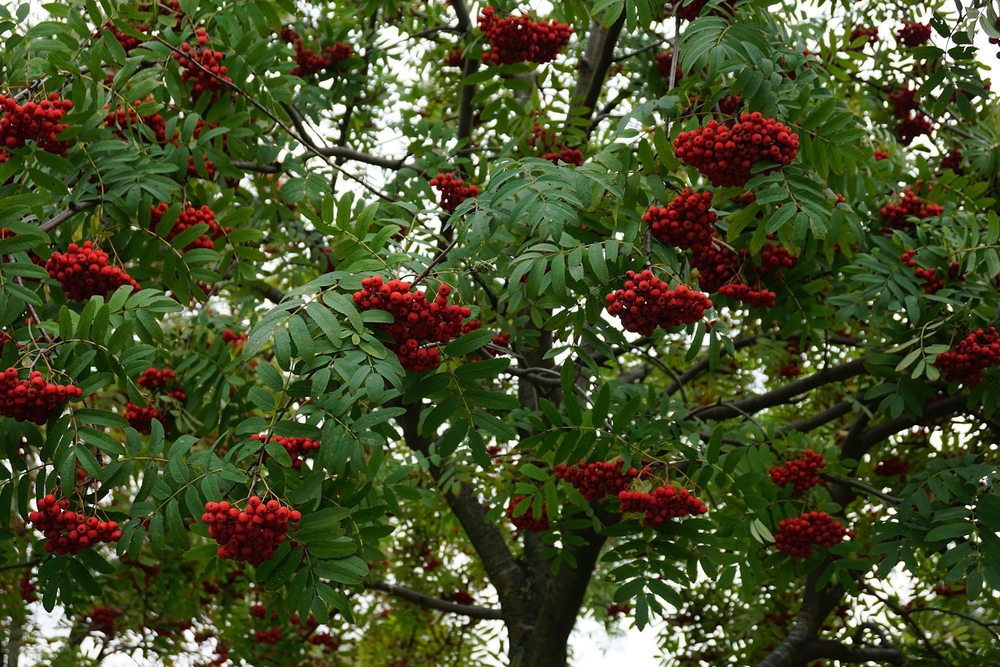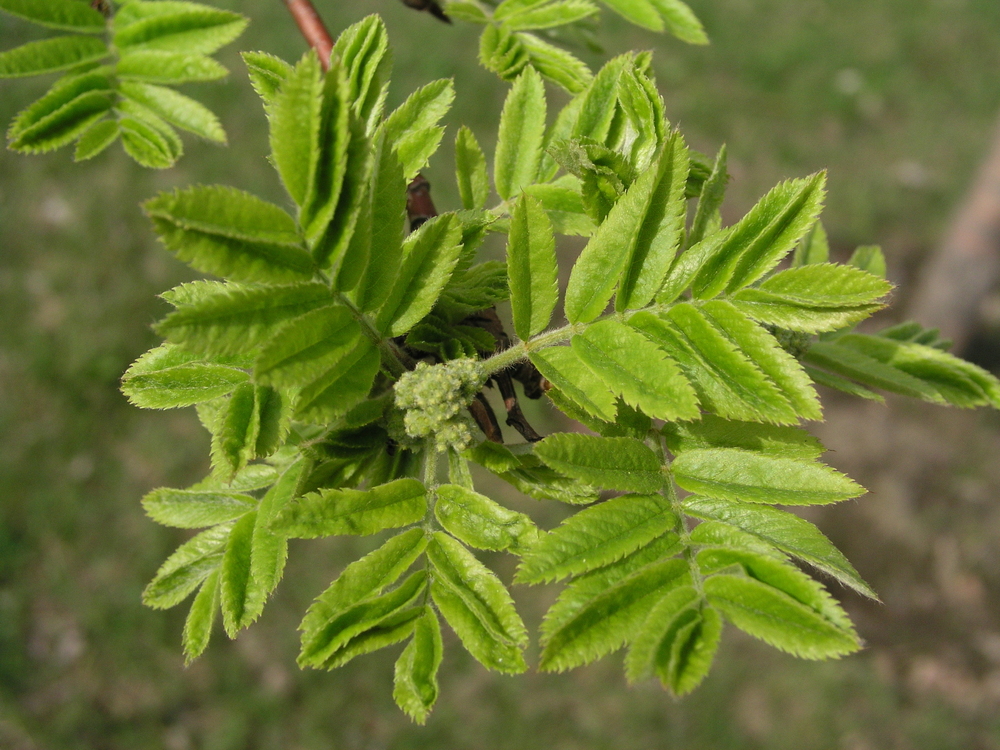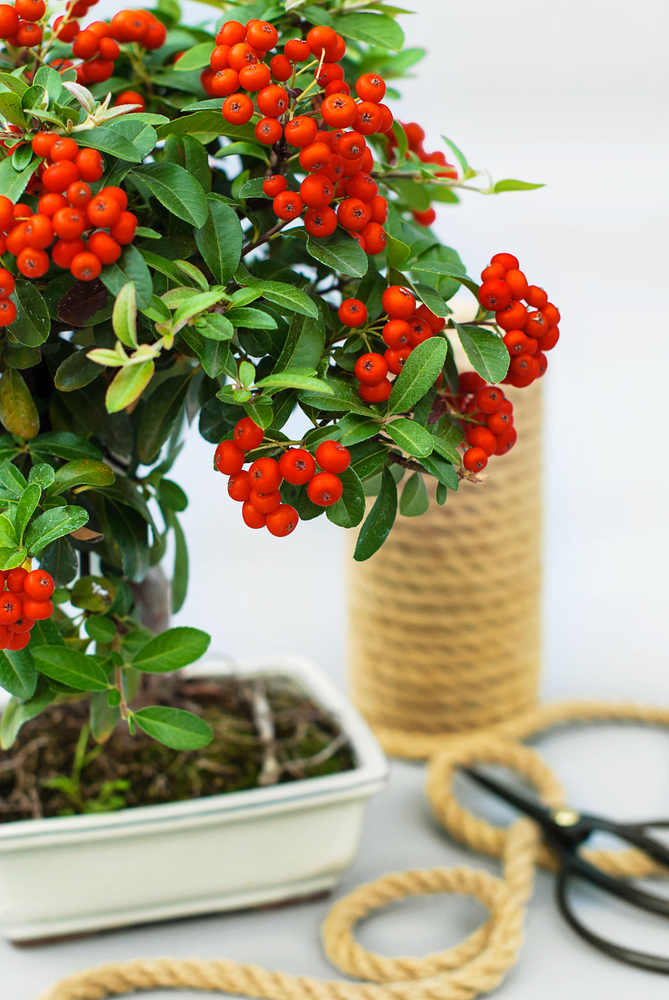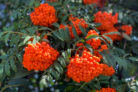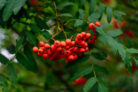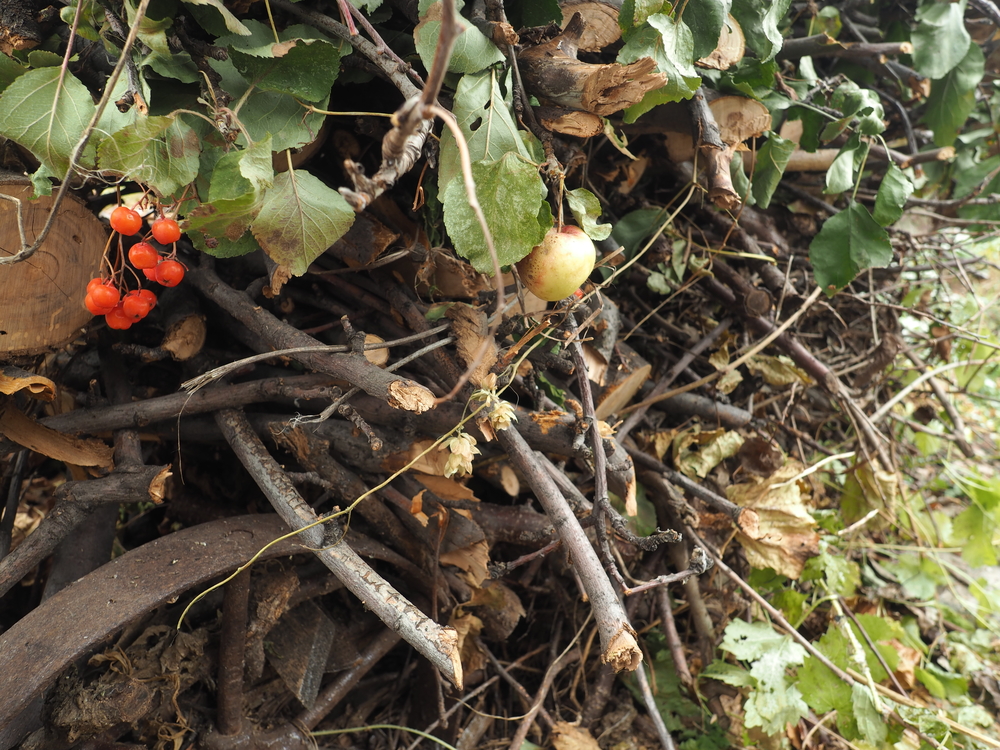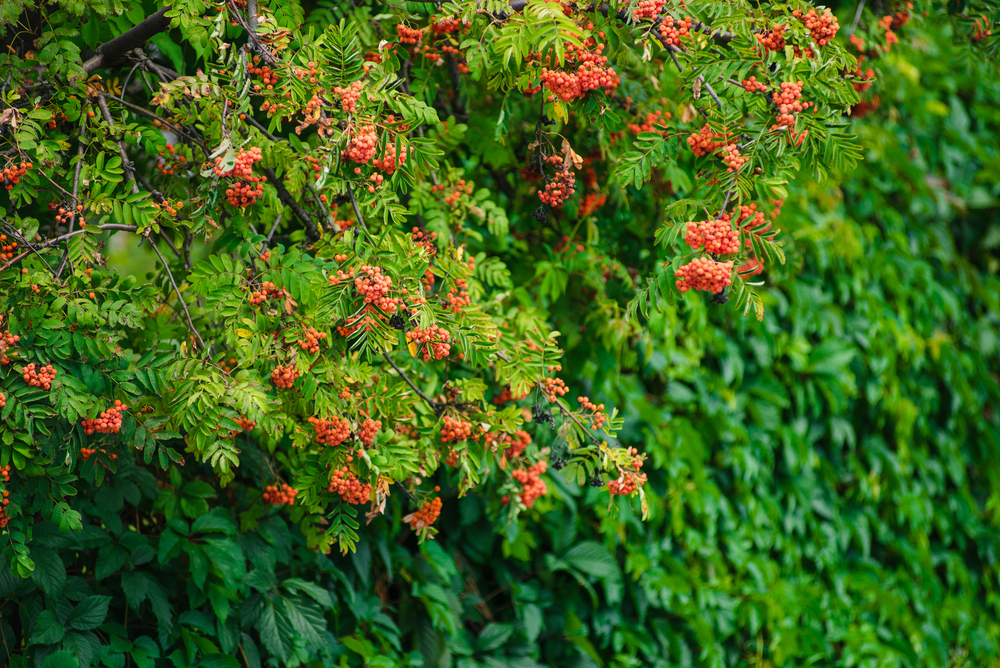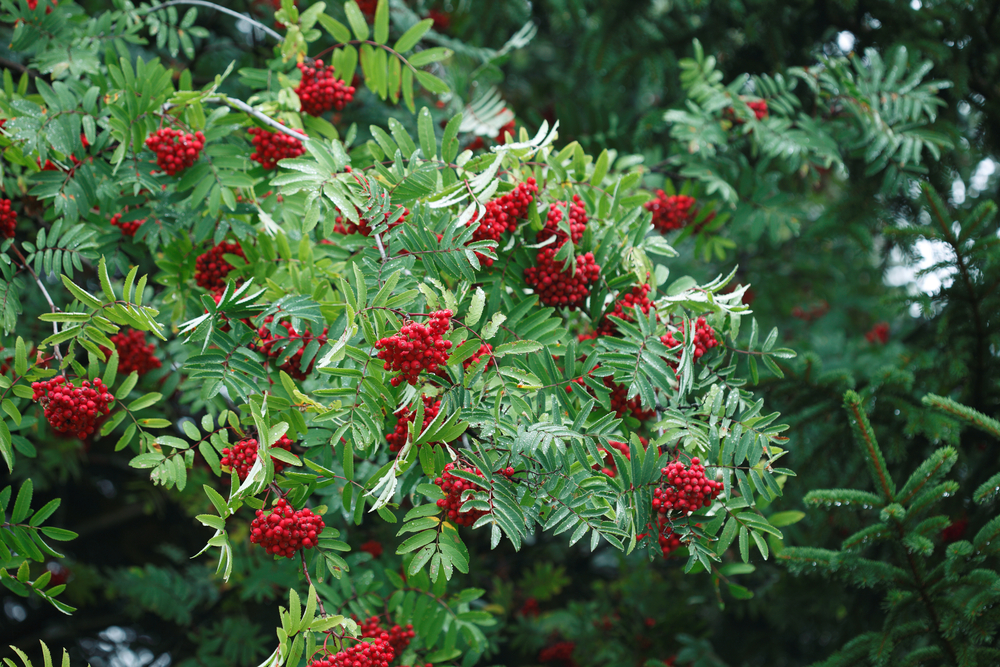
Whether you’re strolling through your local park, hiking a forest trail, or just looking out your back window, chances are you’ve spotted a Mountain Ash. Also known as the Rowan tree, this hardy beauty thrives just about everywhere, even in higher elevations. It’s most famous for those stunning clusters of orange-red berries that pop up in late summer and often hang on through the dead of winter, providing a splash of color when everything else looks a bit gray.
Mountain Ash: Family Ties and Botany
Scientifically known as *Sorbus aucuparia*, the Mountain Ash belongs to the *Sorbus* genus, which is part of the massive Rose family (*Rosaceae*). If you want to get technical, it’s tucked into the pome fruit tribe (*Pyrinae*), making it a distant cousin to the apples and pears in your kitchen.
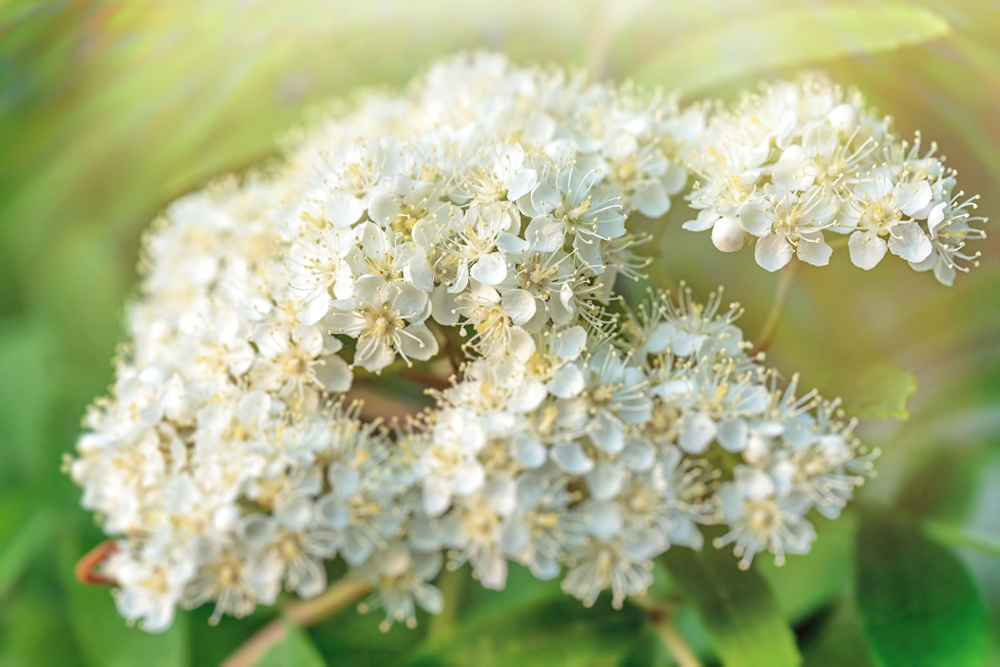
The species name *aucuparia* actually comes from the old practice of using the berries to lure in birds (the name literally translates to “bird catching”). While our common native variety is famous for its white springtime blossoms—which, fair warning, have a bit of a funky smell—and those iconic red berries, there are actually about 100 different species of Mountain Ash worldwide. Some vary in height, while others sport berries in shades of white or yellow.
Since it’s a member of the Rose family, the Mountain Ash is in good company. This family includes everything from ornamental roses to some of our favorite snacks, like cherries, raspberries, blackberries, and strawberries.
Are Rowan Berries Poisonous? (The Short Answer: No!)
There’s a long-standing myth that Rowan berries are toxic, but I’m here to set the record straight: they aren’t poisonous! However, you definitely don’t want to snack on them raw right off the branch. Raw berries contain parasorbic acid, which makes them incredibly bitter and can cause a nasty stomach ache or digestive upset if you eat too many.
The good news? Heat is the magic ingredient. When you cook the berries, that bitter parasorbic acid converts into sorbic acid, which is perfectly safe to eat. The same thing happens during fermentation. Once processed, you can make all sorts of delicious treats, such as:
- Tart juices
- Jams and preserves
- Zesty jellies
- Herbal teas
- Rowanberry brandy or schnapps
Honestly, the extreme bitterness of a raw berry is usually enough to stop anyone from eating more than one, so “poisoning” isn’t really a huge concern. In fact, these berries are actually superfoods in disguise! They are packed with Vitamin C—so much so that sailors used to eat them back in the day to ward off scurvy.