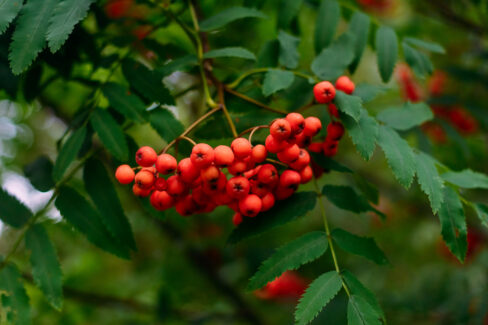
Based on their names, you’d probably think the Ash and the Mountain Ash (also known as the Rowan) are close cousins. But don’t let the names fool you! These two trees actually belong to completely different plant families, which means they have way more differences than similarities.
Two Totally Different Families
The biggest takeaway here is that these two deciduous trees aren’t related at all. Because they come from different biological lineages, they grow differently, look different up close, and play different roles in your backyard ecosystem.
The “False Ash” Mix-up
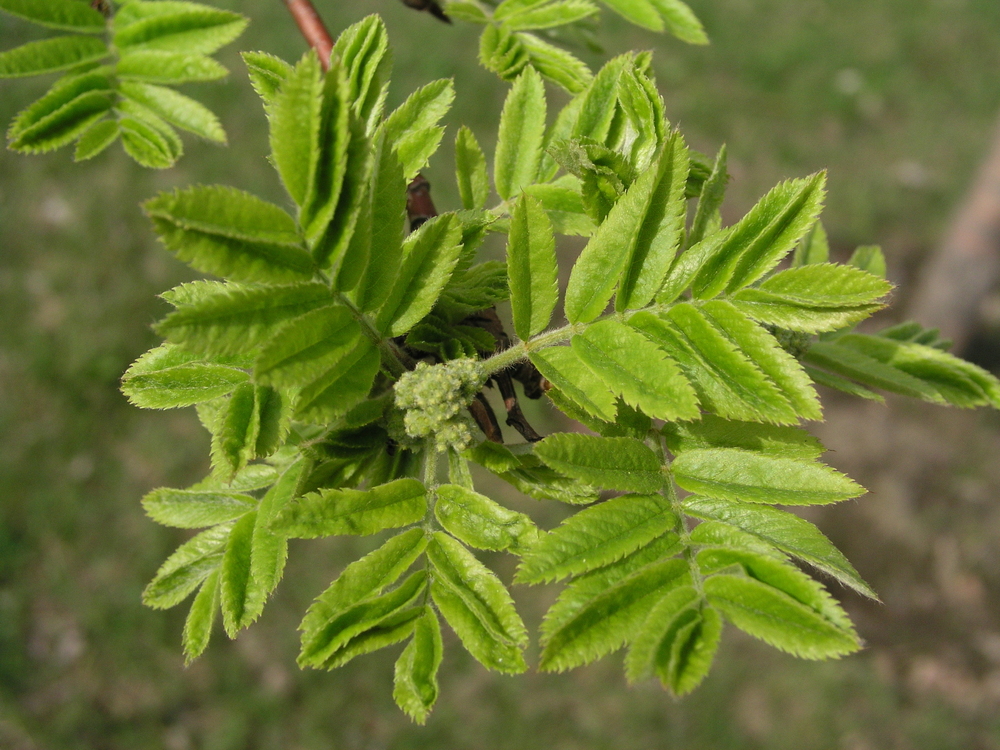
The Mountain Ash often gets nicknamed the “False Ash,” mostly because of its foliage. At first glance, both trees have “pinnate” leaves (that feather-like shape where small leaflets grow along a central stem). However, if you look closer, you’ll spot the giveaway: Ash leaves are much larger and a deeper, darker green than those of the Mountain Ash.
Side-by-Side Comparison
To help you tell them apart next time you’re out for a hike or planning your landscaping, here’s a quick breakdown of their main features:
The Ash (Fraxinus)
- The Ash is actually part of the Olive family (Oleaceae). It’s a true giant, reaching heights of up to 130 feet (40 meters), making it one of the tallest deciduous trees in Europe. It’s also a long-hauler, with a lifespan that can reach 250 years.
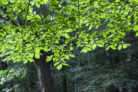
- It sports a rounded crown filled with dark green leaves that measure about 8 to 12 inches (20-30 cm) long.
- The fruits are little winged seeds (called samaras) about an inch long that hang in drooping clusters.
The Mountain Ash / Rowan (Sorbus)
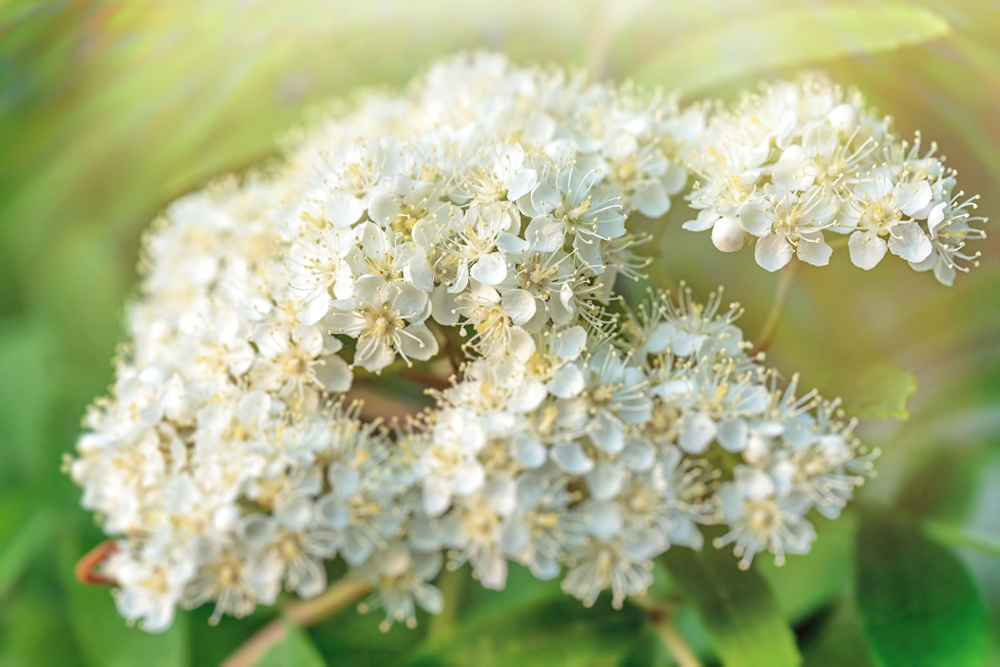
- Unlike the Ash, the Mountain Ash belongs to the Rose family (Rosaceae).
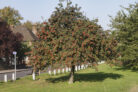
- It’s much more compact, topping out at around 80 feet (25 meters). It also lives a shorter life, usually maxing out at around 150 years—so it can’t quite compete with the massive scale of a true Ash.
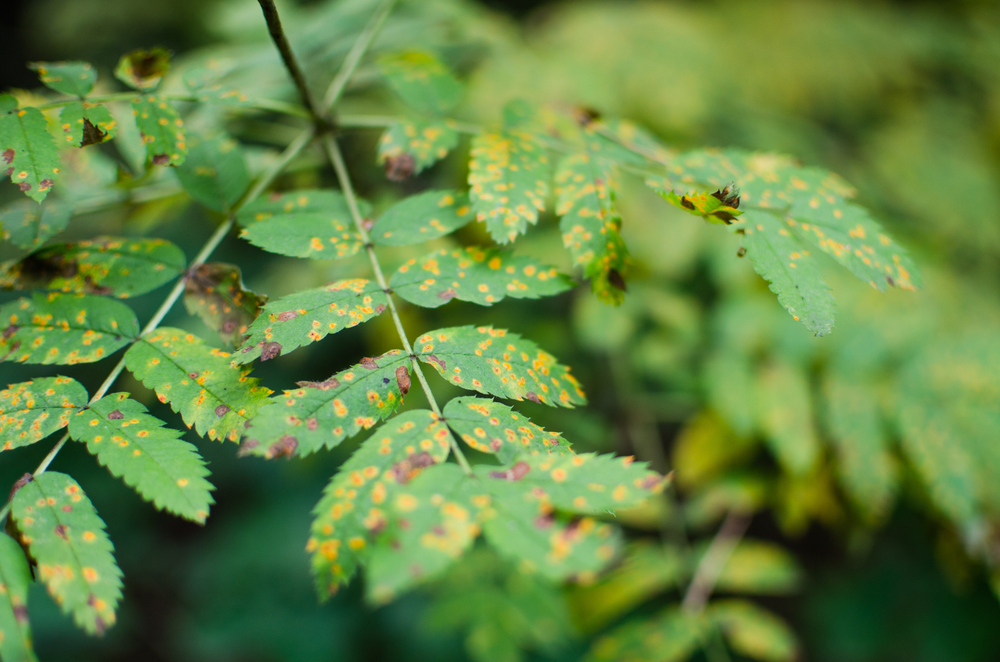
- While the leaves are also feather-shaped, they are only about 6 inches (15 cm) long—roughly half the size of an Ash leaf—and have a much lighter green hue.
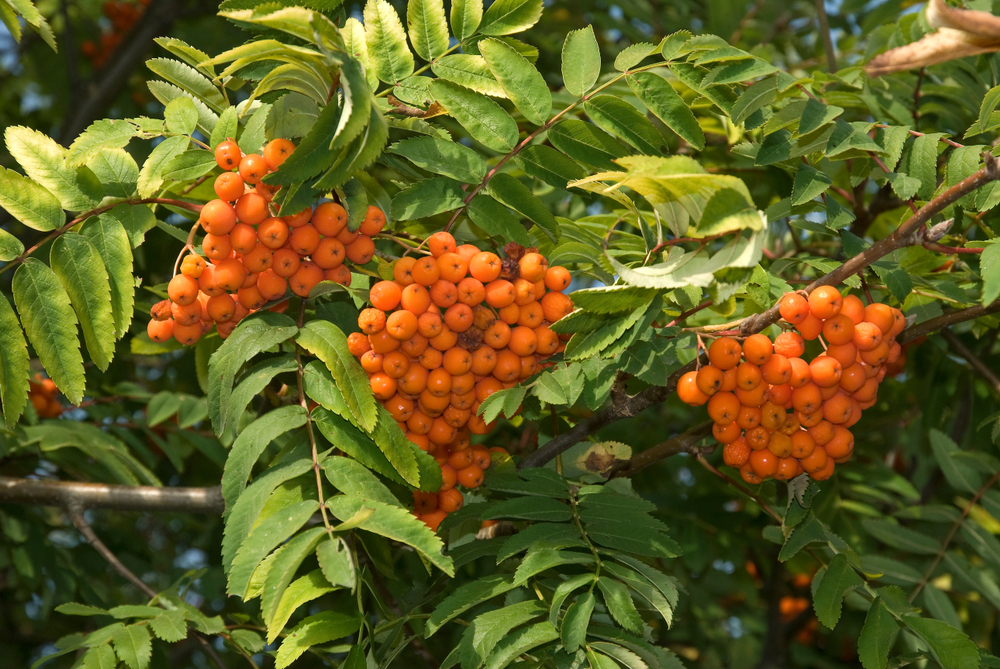
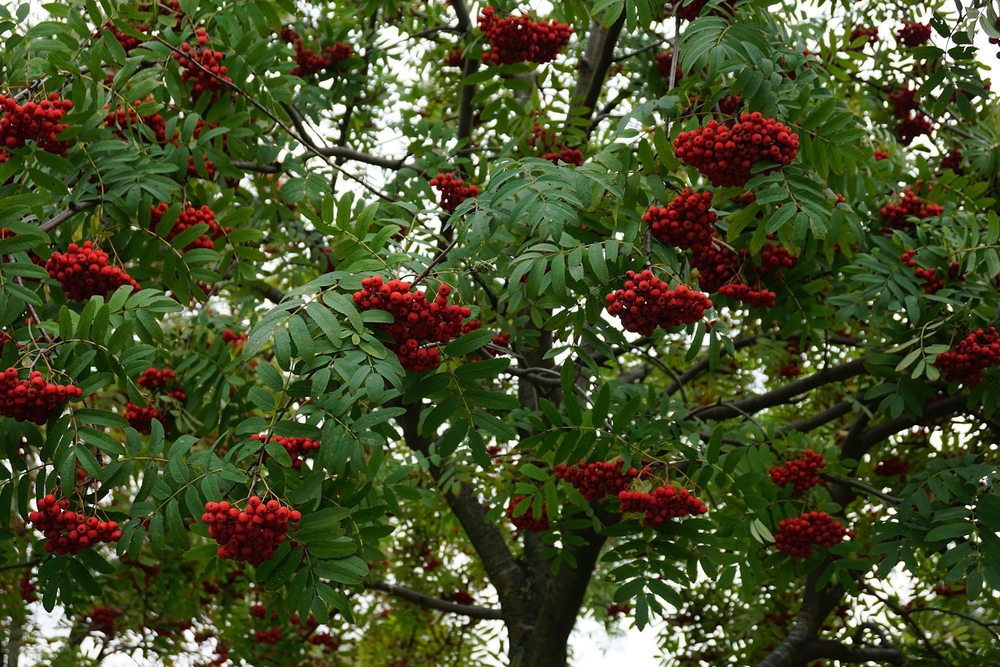
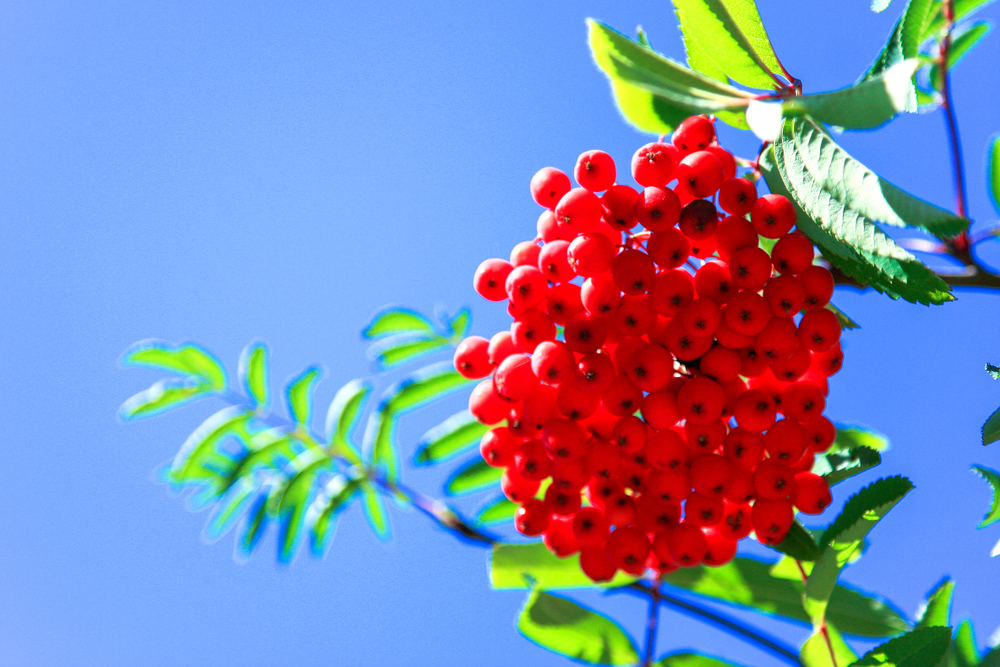
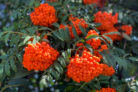
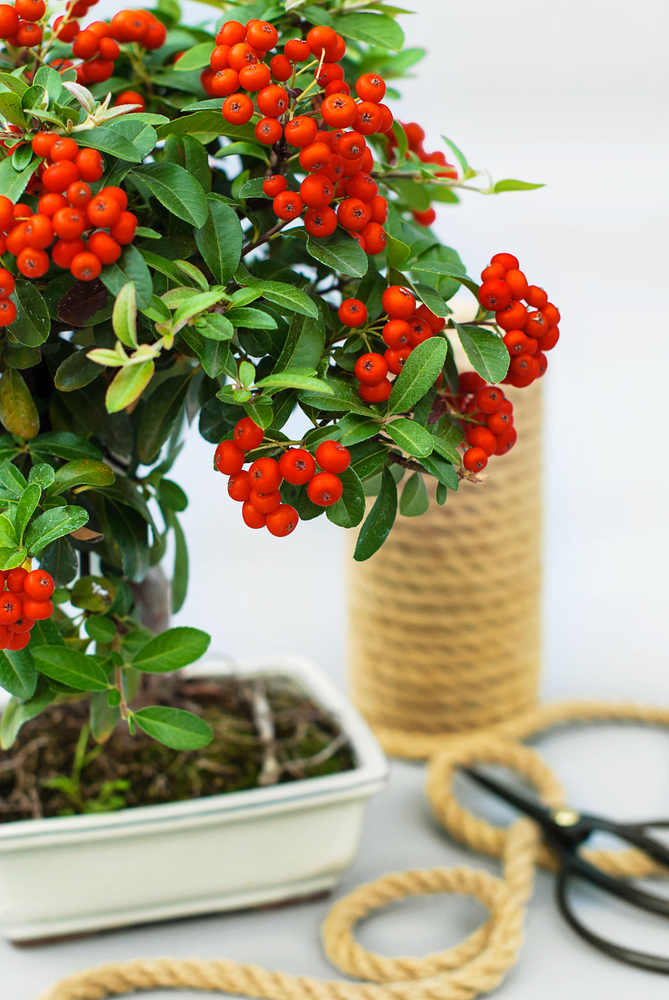
- You’ll often hear this tree called the “Rowan” or “Birdberry” because of its bright red berries, which are a favorite snack for local birds.