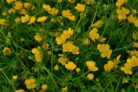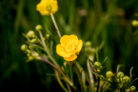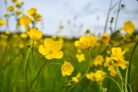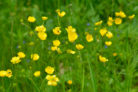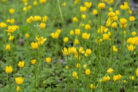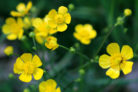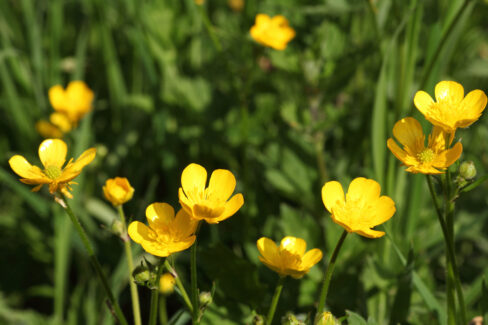
The buttercup isn’t an only child! In fact, it belongs to a massive family with countless relatives. If you look closely, you can really see the family resemblance—though it definitely helps to have a gardener’s eye for detail. Here’s a quick breakdown of what makes this plant family so unique.
The Buttercup and the Crowfoot Family
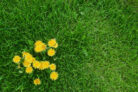
First things first: we aren’t talking about dandelions here, even though some folks call them buttercups too. The “true” buttercup is the Meadow Buttercup, known scientifically as *Ranunculus acris*. It belongs to the Ranunculaceae family (often called the Crowfoot family). This huge botanical group includes about 2,500 species, mostly found across the temperate regions of Europe and Asia.
Leaves: A Dead Giveaway
One of the easiest ways to spot a family member is by the leaves. Most of these plants have leaves at the base and along the stem that are deeply lobed into three to five sections. To early botanists, these leaves looked exactly like a crow’s foot—which is actually how the family got its name!
A Word of Caution: They’re Toxic
While they look sweet, fresh buttercups aren’t for snacking. Every member of the Ranunculaceae family contains a toxin called protoanemonin. It’s poisonous to both humans and livestock; eating too much can lead to serious issues like respiratory distress or even paralysis. Even just getting the sap on your skin can cause a nasty rash. Interestingly, the toxin breaks down and disappears once the plant is dried (like in hay) or heated.
Bright Blooms That Pop
You can’t miss those shiny, vibrant flowers! They aren’t just a hit with us gardeners; pollinators love them too. Buttercups make lovely additions to a wildflower garden or a delicate little homegrown bouquet. Those cheery yellow petals—usually five or six of them—typically pop out in May and June.
Fun fact: While dandelions are totally edible, true buttercups are definitely not. However, back in the day, people used the dried yellow petals to color butter. That little bit of history is likely where the common name “buttercup” actually comes from!
Quick Facts About the Buttercup Family
- They love damp spots (think marshy meadows and moist soil).
- They are mostly herbaceous perennials.
- Despite their toxicity, they have a long history in traditional folk medicine.
Quick Tip:
Check out our Buttercup Fact Sheet for more deep-dive info on this specific golden wildflower.